Showing posts with label budget. Show all posts

28 February 2026

2026 Budget focuses on making it easier to do business in Hong Kong

The Hong Kong Financial Secretary, Paul MP Chan, has delivered details of the Hong Kong Budget, themed Driving High-quality, Inclusive Growth with Innovation and Finance.

According to Chan, the Office for Attracting Strategic Enterprises (OASES) has attracted over 100 strategic enterprises to establish themselves in Hong Kong. "Among them, 51 have been listed, and 76 set up their global or regional headquarters in Hong Kong, bringing in about HK$60 B of investment and creating around 22,000 jobs," Chan said.

"Invest Hong Kong assisted 560 enterprises in establishing or expanding their operations in Hong Kong last year, which is expected to generate about HK$70 B of investment and create over 10,000 jobs.

"The number of companies in Hong Kong with Mainland or overseas parent companies and the number of startups in Hong Kong both rose by 11%, hitting new highs. As regards talent attraction, the Top Talent Pass Scheme has drawn over 100,000 global elites to Hong Kong. We will continue to proactively attract investments and talents, injecting fresh impetus into Hong Kong’s economy."

Northern Metropolis

Chan also shared an update on the Northern Metropolis (NM) project. "Being a new engine for long-term development, the NM will inject fresh economic impetus into Hong Kong and support our new 'South-North dual engine (finance-I&T)' industry pattern," he said.

"We are accelerating its development through various measures, including adopting a large-scale land-disposal approach in land allocation and expediting the bringing in of enterprises and industries, as well as establishing two dedicated companies for San Tin Technopole and Hung Shui Kiu Industry Park respectively. We plan to introduce a dedicated legislation for the NM in the middle of this year."

Chan further disclosed that the government is exploring ways to further encourage developers which own land in the NM to collaborate with technology or advanced manufacturing enterprises in submitting joint development proposals to the government.

"We expect that, through tripartite co-operation, relevant land and corporate resources will be channelled towards the target industries for priority development in Hong Kong. In doing so, the business sector will have greater participation in the I&T transformation of our economy, thereby expediting the NM development through concerted efforts," he said. 

"We support the government’s continued development of the Northern Metropolis, which represents not only an important driver of Hong Kong’s future economic growth but also a strategic blueprint for industrial development. The Northern Metropolis will inject substantial new economic momentum locally and help shape a ‘South-North dual engine’, combining financial services with innovation and technology. 

"By accelerating the development of the Northern Metropolis and adopting a diversified range of financing strategies, the government is making more effective use of fiscal resources, safeguarding the delivery of major projects, and providing a strong foundation for Hong Kong’s long-term prosperity," said Chi Sum Li, Head of Government & Public Sector, Hong Kong SAR, KPMG China.

The San Tin Technopole will help accelerate the commercialisation of R&D results and provide industrial space for prototyping, pilot and mass production, Chan added. "We will establish a dedicated company this year and seek approval from the LegCo to inject HK$10 billion as initial capital to take forward the development, while leveraging market resources to accelerate the progress," he said.

Albert Wong, PwC Hong Kong Public Sector Consulting Partner said: “We are pleased to see the government’s ongoing commitment to developing the Northern Metropolis and its flexible approach to the development model such as a tripartite co-operation between developers owning land in the NM, technology or advanced manufacturing enterprises and the government. 

"In setting land premiums or rental values, the government should weigh short-term returns against long-term benefits. These include economic growth, innovation, technology capacity building, and local talent development. This balanced perspective should guide evaluations, contract negotiations and subsequent performance monitoring. 

"In addition, the government might consider flexible risk-sharing arrangements with companies establishing offices in the Northern Metropolis. For example, offering reduced rental fees during the initial years in exchange for revenue sharing could encourage investment while managing risks. Such measures would support sustainable growth and strengthen Hong Kong’s innovation ecosystem in the region.” 

Attracting enterprises to Hong Kong

Chan disclosed that since the company re‑domiciliation regime began last year, the Companies Registry has approved 22 re‑domiciliation applications, while about 20 applications more are being processed. "We will step up publicity to attract more enterprises to establish in Hong Kong," he said.

To sweeten the cost of doing business, Chan proposed relaxing the criteria for stamp duty relief with respect to the intra‑group transfer of assets. "This would expand the scope of eligible associated body corporates. We will introduce an amendment bill this year," he said, adding that the new arrangement will apply retrospectively to instruments signed from the day of the Budget announcement. 

Corporate treasury centres (CTCs)

Chan said that Hong Kong is "determined to strengthen the role of Hong Kong as a key base for the establishment of corporate treasury centres and boost the city's appeal as a platform for "bringing in and going global". "To this end, we will announce a series of enhancement measures in the middle of this year, including providing additional tax incentives and flexibility to CTCs and their associated companies, and introducing a pre-approval mechanism," he said.

"The Budget’s measures to strengthen corporate treasury centres and international trading functions are strategically important. As a ‘springboard’ for Chinese Mainland enterprises expanding overseas and for multinational corporations entering the Asian market, Hong Kong’s role continues to grow. We welcome the government’s enhancements to the tax regime for CTCs and the proposed reforms supporting Hong Kong as a regional intellectual property (IP) trading centre, which will attract more companies to establish operations in Hong Kong. 

"The introduction of preferential policy packages to promote industries and investment, as well as the establishment of an Advisory Committee on Tax Policy will also support steady and sustainable economic development," said Stanley Ho, Tax Partner, KPMG China. 

Family offices

Chan said he aims to attract more family offices and funds to Hong Kong by enhancing the tax regime, including expanding the scope of "fund" to cover specific funds-of-one, as well as classifying digital assets, precious metals, specified commodities, etc. as qualifying investments eligible for tax concessions. "We will introduce an amendment bill in the first half of this year, with a view to effecting the implementation from the year of assessment 2025/26," he said. There are some 3,300 single-family offices in Hong Kong currently.

Agnes Wong, PwC China South Private Clients and Family Office Tax Leader said: “We applaud the government’s ongoing efforts to enhance Hong Kong’s family office ecosystem. In particular the proposed expansion of the qualifying investment list under the family office tax concession to cover precious metals and specified commodities is a measure which we have consistently advocated for. To further attract global talent and investors, in addition to regularly reviewing and enhancing talent schemes, the Government should accelerate the granting of Hong Kong residency status to principals of eligible family offices and their families."  

"Enhancing tax concessions for funds and family offices and expanding the definitions of eligible investment categories are fundamental to strengthening Hong Kong’s position as a leading wealth and asset management hub. We welcome the government’s efforts to attract family offices and encourage greater asset diversification. 
 
"At the same time, we suggest accelerating the relevant legislative process and granting stamp duty exemptions for asset transfers by high-net-worth individuals to their family-owned investment holding vehicles. These targeted measures would enhance Hong Kong’s competitiveness among ultra-high-net-worth individuals," said Alice Leung, Tax Partner, KPMG China.

Chi Man Kwan, Group CEO of Raffles Family Office said: "We are encouraged by the measures announced in the HKSAR government’s 2026–27 Budget and firmly believe that the tax regime enhancement for family offices will further consolidate Hong Kong’s position as a leading global wealth management hub. We are pleased to see the government’s clear direction and commitment to advancing the family office sector.

"The latest study released by the Financial Services and the Treasury Bureau and Invest Hong Kong demonstrates that these efforts are bearing fruit, with Hong Kong recording significant and rapid growth in the number of single-family offices. In order to cement Hong Kong's position as a leading hub for family offices, it is essential for both single-family offices and multi-family offices to thrive in tandem. We look forward to the relevant policies comprehensively covering both single-family offices and multi-family offices, thereby fostering the sustainable and healthy development of Hong Kong’s overall family office ecosystem."

Hashtags: #BrandHongKong, #HKBudget2026, #HongKong 

*I&T stands for innovation and technology. 

15 February 2026

Singapore announces more support for businesses in FY2026 Budget

Source: Singapore Budget website. Infographic
on a refreshed economic strategy. 

Businesses will receive a 40% corporate income tax rebate in the year of assessment 2026 to help with cost pressures and operating challenges, the Singapore PM and Minister for Finance Lawrence Wong, announced in his FY2026 Budget Statement.

"Every active company that employed at least one local employee last year will receive a minimum benefit of S$1,500. The total benefit for each company will be capped at S$30,000," he said.

"This will provide short-term relief, as we press on with our restructuring and transformation efforts".

"The 40% corporate income tax rebate will ease the tax burden for all businesses, and benefit even more small and medium enterprises (SMEs) given the cap of S$30,000," said Ajay Kumar Sanganeria, Partner, Head of Tax, KPMG in Singapore.

"However, it is unlikely to provide immediate relief for companies facing cash flow constraints or those that are loss-making. These firms will need to rely on other assistance schemes for support."

Internationalisation 

The Singapore government also recognised the challenges that businesses face as they internationalise. Wong said there will the Market Readiness Assistance grant would be extended to support companies in existing overseas markets in addition to its current remit on accessing new markets.

More activities will also be added to the Double Tax Deduction for Internationalisation scheme, under which companies automatically enjoy a 200% tax deduction for eligible activities, capped at S$150,000. "We will allow more qualifying activities to be eligible for such automatic tax deduction claims and raise the cap to S$400,000," Wong said.

The Enterprise Financing Scheme will also see the maximum loan quantum for trade and fixed asset loans increased. Wong also shared that there will be more support for companies "pursuing significant overseas ventures that require higher capital outlay". 

"The message is clear – businesses are being encouraged to look beyond domestic growth and take a more deliberate approach towards international expansion, said Yong Jiahao, Partner, Shipping, Tax, IGH & Manufacturing, Tax, KPMG in Singapore.

"Amid uncertainty from ongoing geopolitical tensions and evolving trade and customs dynamics, the enhanced support reflects the government’s recognition of higher risks and costs associated with extending beyond our own borders."

Yong added that the increased support levels for grant schemes, enhancement to the Market Readiness Assistance grant and increased cap for the Double Tax Deduction for Internationalisation scheme will help alleviate immediate cash flow concerns which come with expanding into new markets. "Besides making the claim for double tax deduction easier, the expanded list of qualifying activities may also allow more expenditure to qualify," he said.

Karen Ng, Regional Head of Expansion - Enterprise - North and South Asia, Deel said: "It’s a welcome development to see that Singapore does not only want its companies to thrive at home, but to compete and succeed globally. The enhanced grants announced during the Budget 2026 include bigger tax deduction cap for internationalisation and higher loan quantum are all strong signals that overseas growth is now seen as part of the national playbook, not a side project for a few regional champions.

"This is especially important for businesses, particularly for small to mid‑sized firms that have the product‑market fit but lack resources such as in‑house legal, HR and finance muscles to navigate multiple jurisdictions at once."

Ng added that what’s often overlooked is that global expansion isn’t about opening offices, it’s about running a compliant, well-governed workforce across borders. "Every new market brings its own employment rules, tax requirements, and payroll complexity. The companies that will truly benefit from this Budget are those that pair new incentives with specialist support and technology-enabled workforce models that manage compliant hiring, local contracts, and payroll, so leaders can stay focused on customers, talent, and growth," she pointed out.

"From an SME point of view, the internationalisation grant enhancements are likely to be seen as timely, pragmatic, and confidence‑boosting. They lower financial and execution barriers, encourage longer‑term commitment to overseas markets, and recognise the realities SMEs face when competing internationally. In doing so, they position international growth as a viable next step for a broader base of Singapore enterprises," commented David Toh, Entrepreneurial and Private Business Leader, PwC Singapore.

Nagesh Devata, SVP APAC at Payoneer, said that in the Asia-Pacific digital economy, infrastructure maturity is becoming as important as expansion ambition. "As businesses adopt multi-entity models from inception, decisions made at the setup stage increasingly shape long-term operability. Fragmented arrangements that are optimised purely for regulatory approval can create inefficiencies across treasury management, FX visibility and cross-border reporting. Closing this gap requires identifying the right financial infrastructure and partners early, ensuring that systems can scale across entities, currencies and markets without multiplying operational overhead," he said. 

"Expanding the Market Readiness Assistance grant to support Singapore companies to grow in overseas markets where they are already active, rather than only in markets new to them, should lead to a higher takeup rate. Expanding it further to companies that only operate within Singapore but support other companies that export from Singapore could potentially have an even bigger impact," noted Frank Debets, Asia Pacific Customs and Trade Leader, PwC Singapore.

Startups

There will be more help for startups at the growth stage, Wong added. Startups can now get early-stage funding easily, but not when they need to scale. To catalyse growth capital in Singapore, Wong said an additional S$1 billion is earmarked for the Startup SG Equity scheme, under which the government provides initial capital to catalyse and crowd in private funding for promising startups. The scheme will now cover growth-stage companies as well.

"Beyond this, we will take a more systemic approach to strengthening our growth capital ecosystem. We will convene a new work group led by Minister Chee Hong Tat, working closely with the industry, to develop strategies to position Singapore as a leading centre for growth capital," Wong said.

Another initiative which will enjoy more funding is the Anchor Fund, which was set up to attract and anchor high-quality listings. A second S$1.5 billion tranche will go to the Anchor Fund, Wong said, and as with the first tranche, will be a co-investment between the Singapore government and Temasek.

"Ramping up support to not just early-stage startups, but also growth-stage companies, helps to increase the probability of Singapore enterprises becoming world beaters. Positioning Singapore as the leading centre for growth capital can create a virtuous cycle: more enterprises based here succeed and scale, in turn increasing the demand for public listings in Singapore," said Patrick Yeo, Markets Leader, PwC Singapore.

Kexin Lim, Partner specialising in Tax and Entrepreneurial and Private Business, PwC Singapore, called the injection of an additional S$1 billion into Startup SG Equity "significant" and a "strong signal of Singapore’s commitment to nurturing innovation through times of disruption and uncertainty". 

"By extending support beyond early‑stage ventures to include growth‑stage companies alongside Singapore's current schemes to attract high quality entrepreneurs, the scheme strengthens the startup pipeline and reinforces Singapore’s position as a leading hub for scale‑up capital," Lim said.

"EDB’s focus on anchoring high growth enterprises earlier in their journey will deepen Singapore’s economic base and reinforce our role as a global centre for innovation driven growth. Growth stage companies are investments in Singapore’s future competitiveness. By helping innovative firms scale from Singapore, we are unlocking new opportunities for Singaporeans to take on high value roles, build deep skills, and grow meaningful careers," said Chiu Wu Hong, Partner, Head of Private Enterprise, KPMG in Singapore.

EDB refers to Singapore's Economic Development Board.

Wages 

More support for lower-wage workers was also announced: 

- The local qualifying salary (LQS), the minimum salary that local employees must be paid in firms that hire foreign workers, will be raised for full-time local employees from S$1,600 to S$1,800.  

- At the same time, co-funding of the Progressive Wage Credit Scheme (PWCS) will go up from 20% to 30%.  

"We will also extend the PWCS for two more years, to 2028. From next year, we will raise the minimum wage increase to qualify for PWCS support from S$100 to S$200. This will better encourage and reward the firms that invest in their workers," Wong added.  

Wong noted that the measures build on the Progressive Wage Model (PWM), developed by the government together with NTUC and tripartite partners. "The PWM goes beyond a simple flat minimum wage and instead links pay increases to skills, productivity, and career progression — and it is delivering results," he said.  

"We will also continue to strengthen training support for the PWM. Last year, I announced additional support under the Workfare Skills Support for workers who take up long-form training courses. We will go further to enhance the basic tier of the scheme, and increase the hourly allowance for workers who upgrade their skills." 

"As operating costs rise and economic conditions remain uncertain, wage sustainability has become an increasingly complex challenge for employers in Singapore. The issue is no longer simply about pay increases, but about how organisations balance fair and competitive compensation with long-term business viability," said Jessica Zhang, Senior VP, APAC, ADP.

"ADP’s People at Work 2025 research shows that three in five workers in Singapore are living paycheck to paycheck, underscoring the direct link between pay decisions and workforce confidence. In this environment, predictability and consistency of pay are just as important as wage levels in supporting employee’s financial wellbeing. 

"Achieving sustainable outcomes will increasingly depend on data-led workforce decisions. Greater visibility into total workforce costs and workforce composition enables organisations to manage compensation responsibly, while continuing to build employee trust and support long-term financial stability," Zhang concluded.

Merger of SkillsFuture and Workforce Singapore 

SkillsFuture Singapore. set up in 2016, overseen by the Ministry of Education, will be merged with Workforce Singapore, part of the Ministry of Manpower, into a new statutory board jointly overseen by both ministries. The new agency will manage skills training, career guidance, and job matching services.

"For workers and jobseekers, that means support will be more seamless — from career planning, to skills acquisitions, and job matching and transitions. For employers, the support will be more integrated, covering workforce planning, job redesign, hiring, and workforce development," said Wong.

"This goes beyond making an organisational change. It is about continually strengthening our system of lifelong learning and career support, so Singaporeans can continue to adapt, grow and realise their full potential. In a world where change is constant, we must remain a society that never stops learning — and never stops striving to do better."  

"Tighter, more fluid collaboration between the public sector, private industry, and academic institutions is also essential to ensure Singapore’s workforce is able to pivot faster and more effectively to changing requirements in the AI era. The merger of Workforce Singapore and SkillsFuture Singapore is well positioned to deliver exactly this, more accurately aligning skills training measures with real-world disruption to avoid the skills mismatch among local talents," said Haresh Khoobchandani, VP, APAC & Japan, Autodesk. 

"By merging SkillsFuture and Workforce Singapore into a new statutory board to focus on future-ready skills such as practical AI capabilities, the government is directly integrating Singapore’s skills and jobs ecosystem. Equipping workers with these skills ensures that hybrid work doesn't lead to proximity bias, but rather to a more inclusive, equitable, and human-centric workspace where every voice at the table is heard clearly," said Niko Walraven, Area VP - APAC, Neat. 

"The merging of SkillsFuture Singapore and Workforce Singapore as a single entity offers a stronger and more coordinated approach for the government to tackle head-on the immense challenges of job restructuring, upskilling and future proofing the city state's jobs-skills ecosystem. Jobs and skills are inalienable components in today's world of work; this move will enable a singular agency to focus on fortifying Singapore's workforce transformation policies to build a future-ready labour force," said Martijn Schouten, Workforce Transformation Leader, PwC South East Asia Consulting.

Support for mid-career switches 

From March 2026, the Mid-Career Training Allowance will be extended to those who take up not just full-time, but also part-time training. Coverage will also be expanded to include more industry-relevant courses.  

Senior workers, on the other hand, will receive help on planning their later-stage careers and support on refreshing their skills. "We will also equip employers to design age-friendly jobs and multigenerational workplaces," Wong said.  

A Tripartite Workgroup on Senior Employment has been set up to study these issues, Wong said, with recommendations to be be released later in 2026. 

The Senior Employment Credit, created to support employers who continue to employ senior workers, has been extended to end-2027.  

Carbon tax

The tax has been raised to S$45 per tonne for this year and next. Wong noted that Singapore has the highest carbon tax rate in Asia. "If global climate momentum continues to weaken, we may need to position ourselves towards the lower end of the S$50 to S$80 per tonne range by 2030," he said.

The Energy Efficiency Grant and support for green loans under the Enterprise Financing Scheme have also been extended to help firms invest in energy-efficient and sustainable solutions.  

As the country has reached its 2030 solar deployment target of 2 gigawatt-peak ahead of schedule, a new target has been set - 3 gigawatt-peak by 2030. "Beyond that, we will continue to maximise solar deployment across all viable surfaces, and progressively set more ambitious targets further into the future," Wong shared.  

Plans to import low-carbon electricity from the region are advancing, as are activities to diversify Singapore's current energy mix. "We are building up capabilities in nuclear energy to be able to assess its safety and viability for Singapore. We have initiated cooperation with the US and France, and are discussing similar arrangements with other partners like South Korea," Wong said.  

"Singapore’s latest climate measures enhance the nation’s competitive edge by positioning rising climate expectations as a strategic opportunity rather than a compliance cost. The carbon tax is a signal for businesses to reduce carbon emissions while grants and green financing schemes enable businesses to invest in low-carbon technologies, develop critical capabilities, and drive innovation—strengthening their long-term resilience. As climate risk becomes a universal business reality, the government’s long-term commitments provide the clarity and confidence needed for decisive action," said Cherine Fok, Partner, ESG Consulting, KPMG in Singapore. 

"Budget 2026 sends an unambiguous signal that Singapore's climate commitments are unwavering, but not unrealistic. The emphasis is on tangible solutions and innovation in areas of key national interests such as energy and transport/aviation resilience, paced in line with global realities and calibrated for competitiveness," shared Bing Yi Lee, Financial Services Assurance, Sustainability and Climate Change Partner, PwC Singapore.

"These messages provide clear policy certainty underpinning long-term decarbonisation investments, and businesses should make use of available support schemes, including the extended Energy Efficiency Grant and Enterprise Financing Scheme – Green (EFS-Green), to build resilience and competitive advantage, in line with Singapore’s long‑term policy direction."

Mark Addy, Partner, Energy & Natural Resources, KPMG in Singapore said: "It is encouraging to hear that the government remains committed to its climate strategy despite slowing global momentum.

"With carbon tax already at S$45/tonne, the importance of maintaining competitiveness regionally and globally cannot be overstated. Monitoring international developments before committing to the next carbon tax rate rise is a sensible approach." 

To support of a target of 100% cleaner vehicles by 2040, there are incentives to encourage early adoption of electric vehicles, and charging infrastructure is being expanded nationwide, Wong added.  

The aviation and maritime sectors are also getting greener. Singapore supports demand for sustainable aviation fuel, with a target of 1% sustainable fuel use for flights departing Singapore in 2026, while in shipping, the government is partnering industry to develop a low-carbon ammonia bunkering solution on Jurong Island. 

"If successful, Singapore will be among the first countries in the world to supply ammonia commercially as a fuel for international shipping," Wong said. 

Yong Jiahao, Partner, IGH & Manufacturing, Tax, KPMG in Singapore, said that the support provided for sustainable aviation fuel, and the continuous effort to partner the industry to develop low carbon ammonia bunkering for international shipping, demonstrate that the growth that Singapore is aiming for doesn't always have to come at the sacrifice of sustainability.  

"Singapore has once again demonstrated its commitment to greening efforts, regardless of the weakening of the global climate momentum," Yong said. 

"The move to pioneer low carbon ammonia bunkering solution in Jurong Island sends a strong signal of ambition and leadership. In doing so, new opportunities are created for local companies across the clean fuel value chain and our role as a global international maritime hub is strengthened.  

"Once successful, ammonia can be an important part of the shipping sector’s decarbonisation pathway, which gives shipowners and solution providers the confidence that Singapore is ready to enable the next generation of green shipping."

Explore

Read about the Budget's emphasis on AI and innovation and what this means for businesses

Hashtags: #SGBudget2026, #SingaporeBudget, #Budget2026

*SME stands for small and medium sized enterprise.

17 February 2023

Singapore moves to strengthen resilience

Concept classroom generated by AI: dream by WOMBO.
Concept classroom by dream by WOMBO.
Singapore's Budget 2023 focused on weathering global economic challenges through making the country more productive and competitive.

"We are seeing a huge contest for leadership in key technologies, which is likely to escalate with time," said Singapore's Deputy PM and Minister for Finance, Lawrence Wong, of the US ban on the flow of high-end chips and chipmaking to China, which has in turn sparked domestic investments in technology.

"All this is setting off a dangerous dynamic towards greater economic nationalism and protectionism around the world."

Goals announced in the Budget included growing the economy, supporting workers, including displaced workers, with a better system of reskilling and upskilling, as well as strengthening the country's resilience to withstand external shocks better.

Wong highlighted the global race to attract foreign investments and said the only way to stay ahead would be for Singapore to become even more attractive to investors. "We will therefore have to work harder to enhance our overall productivity and workforce quality to stay competitive in this new environment," he said. 

As a result, the National Productivity Fund will receive a S$4 B top-up. Its scope will also be expanded to support investment promotion.

"We will use the fund to anchor more quality investments here. This includes supporting companies to build new capabilities, add greater value to our domestic ecosystems, and upskill our workers. And ultimately, these efforts will lead to better paying jobs for Singaporeans," Wong said. Other Budget highlights included:

Investing in small and medium sized enterprises (SMEs)

An additional S$150 million will be apportioned to the SME Co-Investment Fund. The money will be earmarked for investments in promising SMEs. The government also aims to catalyse an additional S$300 million of private investments to support our SMEs.

Helping local firms grow

Wong announced S$1 billion to help promising companies through specialised capability building programmes tailored to their needs. "This could involve working with experts to strengthen the core leadership team, accelerate their internationalisation plans, and build a strong talent pipeline," Wong suggested.

"Enterprise Singapore will also support them to secure resources to execute their growth plans, and to build sustained research and innovation capabilities so they can strengthen their value proposition and stay competitive."  

Reskilling and upskilling

Wong noted that training programmes vary in quality and outcomes. "Workers themselves may not know what training programmes to go for, or what competencies and skills they need to secure better jobs," he added.

"Employers, especially amongst the SMEs, may also be unfamiliar with the training landscape, and often struggle to fill job vacancies despite available jobseeker pools.

"There is therefore a need to develop labour market intermediaries who can work with industry, training, and employment facilitation partners to optimise training and job placement. So we will appoint and equip Jobs-Skills Integrators to do this work. The Integrators can be existing institutions. But they will have new responsibilities and outcomes to deliver."

Jobs-Skills Integrators will have to understand the manpower and skills gap in the industry, and then work with training providers to update existing training programmes, or develop new ones that will close the skills gap, Wong said.

"They will also have to work closely with employment facilitation agencies, get buy-in from industry partners and unions, and identify individuals with the right aptitude and fit for training. Most importantly, they must ensure that training translates into better employment and earnings prospects," he shared.

A pilot for Jobs-Skills Integrators will cover the precision engineering, retail, and wholesale trade sectors.

“The new Jobs-Skills Integrators pilot – which aims to help employers enhance training and place workers in suitable roles – is a fantastic means of government support that prioritises reskilling and upskilling as a key workforce strategy. To facilitate job matching, identification of skills gaps and training will not only alleviate enterprises’ talent crunch pressures, but will enhance effectiveness of matching demand and supply of key skills for the future,” commented Martijn Schouten, People and Organisation - Workforce Transformation Leader, PwC South East Asia Consulting.

“The Job Skills Integrators initiative is welcomed as it helps build a skilled and adaptable Singapore workforce in the three pilot industries. Increasingly, job creation is impacted by the emergence of new occupational profiles tailored to new technologies and to respond to the demand for new technology-based products and services. As such, the Job Skills Integrators initiative will also help boost ICT jobs in the tech sector and elsewhere. We believe the initiative should be expanded to other industries, including ICT and SGTech is ready to work closely with relevant stakeholders to enhance this initiative's robustness,” said Ivan Chang, Co-Chair, SGTech Talent & Capabilities Committee. ICT stands for information and communications technology.

Cecily Ng, Senior VP and GM, Salesforce Singapore & Taiwan said: "The Budget announcements this year are focused on charting growth, building new capabilities, and resilience for citizens and businesses. Coupled with the support for citizens to manage today’s challenges, there is an emphasis on improving careers for Singaporeans, by deepening existing skill sets to ensure better employment and earnings prospects.

"In particular, the updates to the Forward Singapore exercise in this year’s budget supports and reaffirms our efforts to democratise opportunities for education and employment for tech roles. Closing the skills gap must be a collective effort between the government, the people, educational institutions and the private sector. The government’s commitment to bringing together industry partners and training providers via the Job-Skills Integrators programme is a necessary step to ensure that training leads to favourable employment outcomes. These joint efforts across the ecosystem are needed to capture the potential of Singapore’s emerging and diverse talent pool, drive resilience and growth, and enhance business competitiveness.

"We must collectively work towards lowering the barriers to entry to tech roles, and leveraging untapped talent in the workforce. Salesforce is committed to addressing the training and reskilling imperative in Singapore through multiple pathways including our online learning platform Trailhead. The certifications and micro-credentials offered by Trailhead have empowered over 85,000 people in ASEAN to participate in the Salesforce ecosystem, and the larger digital economy. In fact, the Salesforce ecosystem not only provides a platform and community for learning, but a place that connects people to jobs through our partners and customers.

"We continue forging partnerships with the public sector and educational institutes like NTU and ITE, anchored by our firm belief in the need to democratise education and skills training, and ensure everyone has equal opportunity to benefit from the digital economy. At the same time, leaders, both, in the private and public sector, must ensure that a digital-first mindset and culture of continuous learning is part of their organisation’s DNA in order to help close the digital skills gap more efficiently."

"Building the digital economy has been a longstanding goal in Singapore. The Singapore government continues to solidify its Smart Nation commitment by empowering the Singapore workforce with upskilling and reskilling initiatives, including new Jobs-Skills Integrators that will work closely with employment facilitation agencies, industry partners, and training partners, as highlighted in the 2023 Budget announcement," noted Lee Hawksley, Senior VP and MD of Asia Pacific and Japan, UiPath.

"Democratising information, access, and learning should be a key priority as we focus on capitalising on the strengths of human and digital workforces in the future of work. 

"Developing new initiatives and programmes that build new transferable digital capabilities can create new opportunities for growth to propel the Singapore Economy 2030 vision forward." 

Hawksley observed that automation, in particular, "has the transformative power to bring out the best in people, and this in turn gives people the potential to bring out the best in society". "But to unlock the massive potential of automation, we need to strengthen collaborations among the government, the academia, and the private sector, to drive sustainable technological adoption across industries and better propagate role-based education," he said.

Enterprise Innovation Scheme

Under the new Enterprise Innovation Scheme features tax measures that will be enhanced or introduced to encourage research and development (R&D), innovation, and capability development activities. Specifically, Wong said tax deductions will cover five aspects of the innovation value chain:

i. R&D conducted in Singapore;

ii. Registration of intellectual property, including patents, trademarks, and designs;

iii. Acquisition and licensing of intellectual property (IP) rights;

iv. Innovation carried out with polytechnics and ITE; and

v. Training via courses approved by SkillsFuture Singapore and aligned to the Skills Framework.

“The Singapore government has redoubled its efforts in the global R&D race to attract innovation and R&D activities to be conducted in Singapore through the introduction of Enterprise Innovation Scheme by additional tax deductions on qualifying expenses for qualifying activities. In particular, on local R&D activities, I hope the Singapore government can also relax the definition of R&D to include innovation and development projects that may not have a novelty factor so that more Singapore enterprises would benefit under the new scheme,” observed Lennon Lee, Partner, Tax, PwC Singapore.

Tan Ching Ne, Corporate Tax Leader, PwC Singapore, also commented on the scheme, saying: "The three pillars of the proposed Enterprise Innovation Scheme will help businesses defray a significant portion of the expenses connected to innovation and the creation of IPs.”

“With the option to convert 20% of the total qualifying expenditure into a cash payout of up to S$20,000 under the Enterprise Innovation Scheme, we should see more SMEs willing to take risks by conducting R&D and innovation activities in Singapore partially funded by the cash subsidies,” Lee of PwC added.

The enhanced tax deductions under the scheme include:

An enhanced tax deduction to allow businesses to enjoy a 400% tax deduction for the first S$400,000 of staff costs and consumables incurred on qualifying R&D projects conducted in Singapore for each Year of Assessment (YA) from YA2024 to YA2028.

Today, businesses enjoy a 100% tax deduction for all qualifying R&D expenditure incurred on qualifying R&D projects,1 and an additional 150% tax deduction for staff costs and consumables incurred on qualifying R&D projects conducted in Singapore.2

All other existing eligibility criteria and conditions for tax deductions on staff costs and consumables incurred on qualifying R&D projects conducted in Singapore are applicable to the enhancement.

Similarly, businesses currently enjoy a 200% tax deduction on the first S$100,000 of qualifying IP registration costs on the registration of patents, trademarks, designs, and plant varieties today. Subsequent qualifying IP registration costs can enjoy a 100% tax deduction.3

As announced in Budget 2023, an enhanced tax deduction will allow businesses to enjoy a 400% tax deduction for the first S$400,000 of qualifying IP registration costs incurred for each YA from YA2024 to YA2028. All other existing eligibility criteria and conditions for tax deductions on qualifying IP registration costs are applicable to the enhancement.

Under existing tax measures for IP rights, companies and partnerships can enjoy a 100% write-down allowance on capital expenditure incurred on the acquisition of qualifying IP rights4. Businesses can enjoy a 200% tax deduction on the first S$100,000 of qualifying expenditure on licensing of qualifying IP rights5. Subsequent expenditure on licensing of qualifying IP rights can qualify for a 100% tax deduction6.

The Budget enhancement will allow businesses to enjoy tax allowances/deductions of 400% for the first S$400,000 of qualifying expenditure incurred on the acquisition and licensing of qualifying IP rights for each YA from YA2024 to YA2028. The expenditure cap of S$400,000 is applied across IP rights acquisition and licensing collectively. However, the enhancement will only be available to businesses that generate less than S$500 M in revenue in the relevant YA.

All other existing eligibility criteria and conditions for tax allowances/deductions on acquisition and licensing of qualifying IP rights are applicable to the enhancement.

While businesses can already claim a 100% tax deduction on training expenditure as a deductible business expense7, Budget 2023 has changed this to a tax deduction of 400% for the first S$400,000 of qualifying training expenditure incurred for each YA from YA2024 to YA2028.

The enhancement is only applicable to qualifying training expenditure incurred on courses that are eligible for SkillsFuture Singapore funding and aligned with the Skills Framework. The list of courses that are eligible is available on go.gov.sg/eis-training. All other existing eligibility criteria and conditions for tax deductions on training expenditure are applicable to the enhancement.

Further, businesses are encouraged to kickstart their innovation journey by tapping on existing technical and innovation capabilities within the polytechnics, the ITE or other qualified partners. The government will introduce a new tax deduction where businesses can claim a 400% tax deduction for up to S$50,000 of qualifying innovation expenditures incurred on qualifying innovation projects carried out with partner institutions for each YA from YA2024 to YA2028.

The relevant partner institutions will validate the project as a qualifying innovation project and issue an innovation project invoice. Expenditure incurred outside of the collaboration with the partner institution will not qualify for this tax deduction.

“While additional tax deduction to promote a pervasive innovative environment is welcome, it needs to be seen if Singapore can quickly build substantial capacity and capability to be innovative and remain relevant as the competition for global talents and innovative funding grows stiffer. We may have to seek opportunities to collaborate with other countries, global businesses and international educational institutions to nurture the innovative ecosystem in Singapore,” said Abhijit Ghosh, Partner specialising in Corporate Tax, PwC Singapore.

Enterprise Financing Scheme

"For our tech ecosystem to thrive, our innovative tech companies need to scale regionally and even globally. Hence, it is good news for growth-stage tech firms to be able to continue tapping on the Enterprise Financing Scheme to address their rising costs and potentially, short-term funding gaps," said Patrick Yeo, Venture Hub Leader, PwC Singapore.

Global Enterprises initiative

"The Singapore Global Enterprises initiative is timely to take advantage of the changing market dynamics and geopolitical environment. This scheme will be useful to create more global winners headquartered in Singapore so that our tech ecosystem can thrive in the face of increasing competition," Yeo from PwC added.

Chern-Yue Boey, Senior VP, Asia Pacific, SailPoint said: “Budget 2023 signals a shift in the mandate for Singapore, from immediate pandemic-focused relief measures to ensuring Singapore’s long-term economic relevance and viability through a concerted focus on innovation. Especially amidst global headwinds that precipice the nation-state against a tough business climate, the newly- announced added support for local enterprises provides a much-needed boost for businesses to build on existing digital transformation efforts to innovate for greater competitiveness and resilience. After all, heeding the digital imperative will remain critical for businesses to survive - with the requisite advanced technologies, skills, and talent for it.

"Yet, this concerted push towards growing our digital economy will inevitably see the threat surface expand. With emphasis on technology adoption and innovation, we will witness explosive growth of non-human identities as our reliance on robotic process automation (RPA) technologies and IoT devices grows in tandem.

"We must therefore ensure the necessary guardrails are in place to manage these machine identities along with employee, contractor and third-party identities. With a comprehensive identity management strategy, businesses can automate the discovery, management, and control of all user access throughout their digital life cycle, and ensure each identity (human or machine) always has the proper access needed to do their job."

“SGTech welcomes the new enterprise innovation initiatives (Enterprise Innovation Scheme, SME Co-Investment Fund and Singapore Global Enterprises Initiative) that will help boost the productivity of our enterprises. These generous programmes signal that our enterprises must stay ahead of the curve and find creative and innovative ways to grow. In this regard, tech can be a major enabler in areas such as artificial intelligence (AI), digitalisation and trust-related technologies. We look forward to working with the relevant agencies to learn more about these programmes and provide industry input on the key tech growth trends Singapore could redouble efforts on,” said Wong Wai Meng, Chair, SGTech.

Working parents

The Tripartite Standard on Flexi-Work Arrangements will become compulsory next year, Wong said, while paternity leave will be doubled. Government-paid paternity leave, currently lasting two weeks, will run for four weeks for eligible working fathers of Singaporean children born on or after 1 January 2024, Wong said. The extra two weeks will be given on a voluntary basis initially, with employers which grant the additional leave reimbursed by the government. Additionally, unpaid infant care leave for each parent in the child’s first two years, has also doubled from the current six days per year to 12 days per year.

Corporate tax

Wong also signalled his intention to implement Pillar 2 of BEPS 2.0 from 2025 as part of the broader international move to align minimum global corporate tax rates for large multinational enterprise (MNE) groups while caveating that the situation is fluid. Base erosion and profit shifting (BEPS) is a global plan to reform international taxation and ensure that multinational enterprises pay a fair share of tax wherever they operate. As of 4 November 2021, over 135 countries and jurisdictions have agreed to be part of the plan, which will introduce a global minimum effective tax rate of 15% for large MNE groups under Pillar 2. 

"However, many jurisdictions have not announced their implementation plans. Some key parameters of Pillar 2 have only been finalised this year while others remain under discussion at the international level," he noted.

"When we do so, we will implement a domestic top-up tax, which will top up the MNE groups’ effective tax rate in Singapore to 15%."

1 Under section 14C of the Income Tax Act 1947 (ITA).

2 Under section 14D of the ITA.

3 Under section 14A of the ITA.

4 Under section 19B of the ITA.

5 Under sections 14 or 14C, and section 14U of the ITA.

6 Under section 14 or 14C of the ITA.

7 Subject to the general tax deduction rules under sections 14 and 15 of the ITA.

14 June 2022

Firefly returns to Singapore

Firefly has reinstated its flights from Sultan Abdul Aziz Shah Airport, Subang, Malaysia, to Seletar Airport in Singapore.

Source: Firefly. Firefly reinstates Malaysia-Singapore route.

Firefly’s maiden flight to Seletar was in April 2019. Flights were suspended in March 2020 due to the pandemic. With the resumption of scheduled flights, the airline will operate twice-daily Kuala Lumpur-Singapore services from Sultan Abdul Aziz Shah Airport to Seletar Airport respectively.

“This recommencement has become one of the highlights for Firefly this year especially after the last flight in March 2020. Singapore has become one of the important destinations for us, connecting passengers of leisure and business. Hence, this recommencement will be able to connect passengers from both countries, whilst enhancing the economy via the tourism industry,” said Firefly CEO Philip See.

Tan Lye Teck added, “With Firefly flights back, travellers can once again enjoy convenient connections between Seletar Airport and Kuala Lumpur. We look forward to continuing our support of Firefly’s operations in Singapore, and are working closely with our airport partners on the resumption of flights to provide a smooth and seamless experience for passengers.”

All Firefly passengers travelling to and from Seletar will enjoy 20 kg complimentary baggage allowance, fast check-in and boarding and complimentary in-flight refreshments onboard. To ensure a high level of comfort and convenience, passengers now have more flexibility with add ons beyond the available bundled service offerings from Plus, Extra or Flex fares. These offers include a 25 kg baggage allowance, unlimited flight changes, priority boarding, seat selection, travel insurance and Enrich loyalty programme miles.

Passengers travelling must be fully vaccinated and comply with all standard operating procedures (SOP) set by both countries before booking. International flights are subject to local government and regulatory approval.

Routes

Flight No.

Time

Frequency

Subang to Seletar

FY3124

7.30 am - 8.50 am

Monday, Tuesday, Wednesday, Thursday, Friday

FY3128

12.55 pm - 2.15 pm

Monday, Tuesday, Wednesday, Thursday, Friday

Seletar to Subang

FY3125

9.20 am - 10.40 am

Monday, Tuesday, Wednesday, Thursday, Friday

FY3129

2.45 pm - 6.05 pm

Monday, Tuesday, Wednesday, Thursday, Friday

Subang to Seletar

FY3126

9.30 am - 10.50 am

Saturday - Sunday

FY3130

2.55 pm - 4.15 pm

Saturday - Sunday

Seletar to Subang

FY3127

11.20 am - 12.40hrs

Saturday - Sunday

FY3131

2.45 pm - 4.05 pm

Saturday - Sunday


For more information on products and services, download Firefly’s mobile app or visit www.fireflyz.com.my.

17 February 2021

Singapore's 2021 Budget focuses on resilience, looks towards long-term success

Budget 2021: Emerging Stronger Together, delivered by Singapore Deputy Prime Minister, Coordinating Minister for Economic Policies, and Minister for Finance Heng Swee Keat has set out the government’s plans on immediate challenges, and its goal to build a stronger Singapore that is economically vibrant, socially cohesive, and a sustainable home for all.

Some highlights include:

Source: Singapore Ministry of Finance. Cover, Budget Booklet, featuring the headline Emerging Stronger Together and a collage of pictures within a heart-shaped cutout..
Source: Singapore Ministry of Finance.
Cover, Budget Booklet.

To finance Singapore’s recurrent spending needs, the government announced in Budget 2018 that the goods and services tax (GST) rate would be raised sometime from 2021 to 2025. The move will occur "sooner rather than later" from 2022 to 2025.

“We must help Singapore corporates get ready for the impending change in international taxation. There is anticipation of more tax disputes and controversies as governments grapple with their revenue base and the situation is compounded by the shock waves of COVID-19. 

"Every government has increased its spending and will need to collect more taxes to fund this. There is a burning platform - a greater need to ensure Singapore gets its correct share or bite from the global tax collection pie,” said Chris Woo, Tax Leader, PwC Singapore.

An S$11 billion COVID-19 Resilience Package (CRP) will address Singapore’s immediate needs to safeguard the health of Singaporeans, continue support for workers and businesses where needed, and provide more targeted support for the worst-hit sectors. This includes S$4.8 billion dedicated towards public health and safe re-opening measures. The remainder has been channelled towards support for workers and businesses that continue to face difficulties.

The government will build a vibrant business sector and an ecosystem for innovation. This includes deepening Singapore’s position as a Global-Asia node by positioning Singapore’s aviation sector for recovery, and investing in platforms that enable local businesses to innovate and collaborate across borders, especially with ASEAN nations.

To encourage Singaporeans to give back to the community, the 250% tax deduction for donations to institutions of a public character (IPCs) will be extended until the end of 2023. The Business and IPC Partnership Scheme, Tote Board’s Enhanced Fund-Raising Programme, as well as ComChest’s SHARE as One matching grant will also be extended. In addition, a new S$20 million Change for Charity Grant will be introduced to encourage businesses to facilitate donations from their customers, in the course of daily transactions.

Budget 2021 introduced several measures under the Singapore Green Plan 2030, including a movement towards going car-lite. Along with investments in public transportation, the government will introduce various measures to encourage the adoption of electric vehicles (EVs) and discourage the use of internal combustion engine vehicles. This includes the installation of 60,000 charging points at public carparks and private premises by 2030, and setting aside S$30 million over the next five years for EV-related initiatives.

To fund sustainability efforts the government will lead by example with the issue of green bonds on select public infrastructure projects. For a start, up to S$19 billion of public sector green projects have been identified.

The public sector will also commit to more ambitious sustainability goals under the new GreenGov.SG initiative. For example, the Ministry of National Development, Home Team Academy, and Temasek Polytechnic are switching to low-global warming potential refrigerant chillers, ahead of the mandatory adoption end-2022. This will reduce 24 kilo-tonnes of carbon dioxide emissions, equivalent to the annual emissions of about 7,400 cars.

Hari V. Krishnan, CEO and MD, PropertyGuru Group said, “We welcome Singapore’s increased commitment to enable sustainable urban living. The latest support measures for residents to go car-lite and further their usage of cleaner-energy vehicles are timely. We also welcome the focus on urban solutions and sustainability under Research, Innovation and Enterprise 2025 (RIE 2025) to help Singapore build a more sustainable and liveable environment. These measures will help each of us place environmental considerations top-of-mind, so we frequently assess the impact of our day-to-day activities.

"We commit to making changes in our own business to meet the goals stated in the recently unveiled Singapore Green Plan 2030, and building a better home for our future generations.”

"Given the recent Green Plan, we look forward to more details of setting Singapore on the path to be a global player in ESG, built on capabilities rooted in new skills are developed and jobs are created and anchored around sustainability; more businesses built on green finance, sustainability consultancy, verification, credits trading and risk management; Singapore being developed into a global centre for green finance; and Singapore developing her own innovation capabilities around sustainability," said Woo.

4 March 2020

More initiatives to ensure Singapore is a hub for technology, innovation, and enterprise

Singapore envisions the country as a global-Asia node of technology, innovation, and enterprise.

"Singapore will be an economy driven by innovation and digitalisation, and a launchpad for enterprises to access Asia and go global. Our enterprises will compete on value, reach new customers, and be powered by skilled and adaptable workers," said Heng Swee Keat, Deputy Prime Minister and Minister for Finance, Singapore, in his Budget 2020 speech last month.

A Transformation and Growth strategy for 2020 includes:

- Strengthened partnerships

"Internationally, Singapore will continue to deepen our network of economic linkages in digital partnerships, trade, investment, and avoidance of double taxation. We will further strengthen partnerships between government, industry and the research community, as well as within industries to bring good ideas to global markets and deepen industry-wide capabilities," Heng said.

One beneficiary of this stance is CDAS, one of the logistics and transport associations in Singapore, which works with other logistics associations and Government agencies to enhance the working relationships between port operators and the land transport businesses. CDAS also embarks on various projects to help local logistics small and medium enterprises (SMEs) grow.

With the support of Enterprise Singapore, CDAS launched an electronic payment system in February 2020 to reduce the number of cash transactions handled by the container depots and transport companies. The system is estimated to help a depot operator save up to 180 minutes a day, and a transport company save up to 25 minutes per driver per day. With its launch, over 20 depot sites and 190 transport companies will benefit.

- Expert advice

Enterprise Singapore will launch a pilot Executive-in-Residence programme to support more than 10 trade associations and chambers in providing expert advice, as well as introduce a Heartland Enterprise Upgrading Programme. 

- Deepen enterprise capabilities

For startups, the government will provide additional funding to Startup SG Equity. To help companies grow, there is a new Enterprise Grow Package. More mature companies can enjoy the Enterprise Transform Package, along with other programmes.

Those who take up such initiatives can see significant improvements. Yong Leng Trading Company is a local provider of sealing solutions for local and regional industrial and marine customers. In 2017, with support from IMDA’s SMEs Go Digital programme, Yong Leng Trading Company adopted a digital platform solution that enabled them to access 60 new overseas buyers in places as far as Mexico, Netherlands, Russia, and Uzbekistan. This increased their overall sales by 10%. Apart from expanding market access, the platform also helped them reduce the time spent on paperwork by 20%, and optimised inventory management

- Developing people

Tertiary students will be supported in gaining overseas exposure and experience while those already in the workforce can take advantage of a new phase in the SkillsFuture initiative. This includes a one-off SkillsFuture Credit top-up of S$500, a new SkillsFuture Enterprise Credit for employers, and a SkillsFuture Mid-Career Support Package for workers in their 40s and 50s to help them stay employable. There is also a new Senior Worker Support Package.

With government help, Containers Printers helped its staff learn new skills and apply them on the job. The company specialises in the printing and production of high-quality metal and flexible packaging products for the food, healthcare,and lifestyle industries worldwide.

In 2018, CP tapped on Workforce Singapore's (WSG's) pilot Industry 4.0 Human Capital Initiative (IHCI), which provided CP with on-site consultancy on the adoption of Industry 4.0 technologies and job redesign. Through this pilot programme, CP adopted a new digital performance management system, which freed up the time of operations managers from routine operational tasks (e.g. data recording) to take on activities with higher value-add such as data analysis, performing root cause analysis and performance reviews.

Human capital practices such as performance management were enhanced and job roles were also redesigned. For instance, operation managers now employ data analytics to keep track of the company’s production targets. Through the use of data, managers detect signs of machine anomalies that can slow down production, to allow early intervention and prevent a more serious production slowdown. CP also saw the doubling of production line efficiency, leading to estimated productivity gains of close to S$4 million a year.

Source: Zebra Technologies. Fang-How Lim.
Source: Zebra Technologies.
Lim.
"Amidst the economic uncertainties, the Singapore government has helped local businesses take charge of their productivity and gain their competitive edge. But it has now become essential for local businesses to implement the right technological solutions that enable data-driven decisions powered by real-time insights and analytics of their operations. This is key to a successful digital transformation," commented Lim Fang How, Regional Director for Southeast Asia, Zebra Technologies.

"As Singapore grapples with a labour crunch, local businesses should also look at implementing technological solutions that improve the efficiency and productivity of their workers. In fact, up to 68% of organisations surveyed in Zebra’s Warehousing Asia Pacific Vision Study cited labour efficiency and productivity among their top challenges.

"The measures announced at Budget, such as the Enterprise Grow Package which aims to help enterprises innovate, adopt digital technologies and enter new markets is a commendable effort by the government to help local businesses gain competitive edge to contest abroad.

"Additionally, the introduction of easy-to-use technology translates to faster onboarding for staff which reduces the time and effort needed for reskilling and training. It also eliminates the need for costly and risky upgrades and backend changes that may disrupt operations."

20 February 2018

Singapore's 2018 Budget revolves around technology, innovation and capabilities

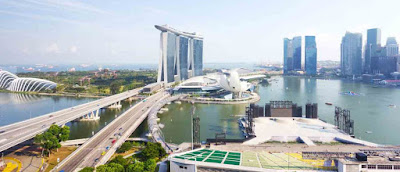
Source: Budget 2018 site. View of Singapore skyline.
Source: Budget 2018 site. View of Singapore skyline.

In 2018, the Singapore Ministry of Trade and Industry (MTI) expects growth to be more broad-based across sectors, moderated from the high of 2017, said Singapore Financial Minister Heng Swee Keat during his Budget 2018 speech.

In his speech Minister Heng said Singapore must prepare for three shifts in the next decade:

- A shift in global economic weight towards Asia.

Some indications of this trend include China's new regional infrastructure bank and plans under the Belt and Road Initiative; economic reform in India, including the easing of restrictions on foreign investments; and a growing middle class in ASEAN countries, which are moving up the value chain, Heng said.

"All these developments represent significant opportunities for our firms and people. Our economy must be geared to ride on and contribute to Asia’s growth," he said.

- The emergence of new technologies, and its implications for lifelong learning.

"Firms will compete increasingly not on physical assets, but on intangible assets, such as intellectual property (IP), data, and user networks. First-mover advantage and time to market will be key.
"Securing better jobs and higher wages will not be just about how well we did in school, but how well we continue to learn, relearn, adapt and grow throughout our lives," he said.

- A greying population, with implicatons for healthcare and social expenditure, as well as the tightening of the labour market if productivity and "a calibrated inflow" of workers from abroad are neglected.

Heng sees the three shifts interacting to bring new opportunities as well as new challenges. He listed the possibility of technology helping older workers to stay productive, contrasting it with the rapid pace of change potentially causing the same workers to feel marginalised.

This year's Budget will guard against the challenges while capturing opportunities, he said, specifically:

- Developing a more vibrant and innovative economy

"We must anchor Singapore as a Global-Asia node of technology, innovation and enterprise, welcome investments, talent and ideas to Singapore, and be bold in venturing out into new markets. "To do this, we must make innovation pervasive in our economy, develop deep capabilities in our firms and workers, and establish strong partnerships locally and abroad. "The shifts in the global economy and the emergence of new technologies are to our advantage, because they allow us to seize opportunities beyond our borders," he said.

- Build a smart, green and liveable city.

"We should take full advantage of the latest technology to improve Singaporeans’ quality of life," Heng said. "To improve our liveability as a city, we must also enhance our urban sustainability and enable our economy to be more carbon-efficient."

- Foster a caring, cohesive society, and plan ahead for sustainable, secure future.

Strategies towards a more innovative economy include:

- Extending the Wage Credit Scheme (WCS). This initiative co-funds wage increases for Singaporean employees, up to a gross monthly wage of S$4,000. The WCS has been extended for three more years. It will provide 20% co-funding for 2018, 15% for 2019 and 10% for 2020.

- Enhance the Corporate Income Tax (CIT) rebate. For the Year of Assessment (YA) 2018, the rebate is raised to 40% of tax payable, capped at S$15,000. In YA2019, it will be at a rate of 20% of tax payable, capped at S$10,000.

- Better support for employees, including upgrading the current Work Trial scheme into a Career Trial scheme, with higher funding support for workers to try out new careers. In 2017, Heng said the government's Professional Conversion Programmes (PCPs) helped more than 3,700 mid-career individuals take up new jobs.

In the longer term, Singapore's transformation will rely in part on Industry Transformation Maps (ITMs) which outline how various industries can digitalise. To date, 21 out of 23 proposed ITMs have been launched, Heng said, with the remaining two to be introduced by end-March. The food services ITM was launched in September 2016, while the financial services ITM and the infocomm media industry ITM were introduced in November 2017. The security industry ITM was released in February 2018.

"The tripartite Future Economy Council (FEC) is now overseeing the implementation of these ITMs and the strategies laid out by the Committee on the Future Economy (CFE)," he said.

"Though new, the ITMs are helping to prepare our companies for a new phase of growth. For instance, as part of the precision engineering ITM, several companies in the sector, like Univac Precision Engineering and Globaltronic Precision, have undertaken projects to make better use of digital technologies in their manufacturing processes. This has enabled them to stay competitive and take advantage of the global economic recovery," he said.

In the next phase of the ITM journey, an ecosystem approach will come into play so that synergies can be reaped, interconnections strengthened, and opportunies explored, he said. The foundation for the ITMs lie in innovation, capabilities and partnerships, all of which will are a focus going forward, Heng said. "By strengthening these three enablers, we can anchor Singapore as a Global-Asia node of technology, innovation and enterprise."

New initiatives include supporting more firms to innovate across the entire value chain:

- Supporting businesses to buy and use new solutions. Existing grants that support the adoption of prescoped, off-the-shelf technologies will be consolidated into a single Productivity Solutions Grant (PSG).

- Tax deductions on licensing payments for the commercial use of intellectual property (IP) will be raised.

- A new Open Innovation Platform will be piloted this year. This marketplace will match companies looking for digital solutions to their challenges with infocommunications and technology (ICT) firms and research institutes to co-develop solutions, Heng explained.

- National research capabilities will be a focus for FY2018, backed by public sector R&D spending at 1% of GDP annually. This year, the National Research Foundation (NRF) and Temasek will launch an NRF-Temasek IP Commercialisation Vehicle.

 "This new investment venture will bring together Temasek’s global investment networks and NRF’s connections with the Singapore R&D community, to grow companies that draw on IP from publicly-funded research," said Heng. "At least S$100 million will go into this joint venture – S$50 million from the government, and at least S$50 million from Temasek."

In addition to the ITMs, special attention is on strengthening Singapore's position as an air and sea hub, leading to a new Aviation Transformation Programme (ATP) and a Maritime Transformation Programme (MTP) this year, Heng said.

"Through these programmes, our airport and seaport will become platforms for companies to develop, test and use new technologies," he said. "The solutions that emerge can be rapidly adopted in other parts of Singapore, or even exported overseas. We will provide support of up to S$500 million for the two programmes, with additional matching investments expected from industry partners."

The built environment sector is also singled out for attention this year with support from an expanded National Robotics Programme (NRP).

More targeted support is in the offing for enterprises:

- Merger of SPRING and IE Singapore into Enterprise Singapore this April

"Enterprise Singapore will provide integrated support to companies, for internationalisation as well as the development of other capabilities, so as to help them compete better both locally and abroad," Heng explained. "We will combine IE’s Global Company Partnership grant with SPRING’s Capability Development Grant, to form an integrated Enterprise Development Grant (EDG). The EDG will provide up to 70% co-funding for companies to develop a range of capabilities."

- Enhanced Double Tax Deduction for Internationalisation (DTDi) in YA2019

The amount of expenses that can qualify for the DTDi without prior approval has been raised from S$100,000 to S$150,000 per year of assessment as of YA2019. From YA2020, changes have been made to the Start-up Tax Exemption and the Partial Tax Exemption schemes. Tax exemptions under both schemes will be restricted to the first S$200,000 of chargeable income. Startups will enjoy a 75% exemption instead of 100% as currently, of their first S$100,000 of chargeable income from corporate tax.

"These schemes help lower costs for smaller firms and startups, but do not directly help firms develop capabilities. In addition, every profitable company should pay some taxes. This is sound and equitable," Heng said of the changes. "Even with these adjustments, corporate tax will remain low for startups and smaller firms. For a taxable income of S$100,000, the effective corporate tax rate is 4.3% for start-ups and 8.1% for older firms, as compared to the headline rate of 17%."

Digital transformation support includes:

- A possible nationwide e-invoicing framework to help companies improve productivity and enhance cash flow

- Expansion of the Tech Skills Accelerator (TeSA) into new sectors such as manufacturing and professional services, with the focus on digital technologies. Launched in 2016, TeSA has trained over 27,000 people in digital skills. Heng listed skills such as data analytics, artificial intelligence (AI), the Internet of Things (IoT) and cybersecurity as the focus today.

Equipping employees with "deep skills" in general continues to be important. A new ASEAN Leadership Programme under the the SkillsFuture Leadership Development Initiative (LDI) will help business leaders build networks and plan business expansions in Southeast Asian markets, Heng said. The LDI has already helped to train nearly 200 Singaporeans, with 180 in the pipeline, Heng said.
Existing initiatives to help the workforce develop deep skills include:

- The SkillsFuture Earn and Learn Programme, a work-learn programme;

- The Go Southeast Asia Award, which matches undergraduates with regional internships;

- The SkillsFuture Mid-Career Enhanced Subsidy;

- The PCPs, including the PCP for Southeast Asia Ready Talent which equips Singaporeans with the knowhow to do well regionally.

- Heng also highlighted private sector efforts, such as the Singapore Business Federation (SBF) and Singapore Management University (SMU) piloting the SBF-SMU LEAD-CHARGE Initiative this year to help small and medium sized enterprise (SME) leaders transform their organisations.

For older workers, the government has raised the re-employment age to 67, extended the Special Employment Credit, and enhanced WorkPro. WorkPro provides funding for the implementation of work-life measures, job redesign, improved workplace practices or flexible work schemes. Re-employment refers to the legal requirement for employers to give eligible employees the option to continue working, or to retire as they choose.

"With the close cooperation of the tripartite partners, Singapore’s employment rate for residents aged 65 and above rose from 14.4% in 2007 to 25.8% in 2017*," said Heng. "We will continue to encourage age-friendly workplaces, and review how we can better support our older workers."
A new Capability Transfer Programme (CTP) will also be piloted to support the transfer of skills from foreign specialists to Singaporean trainers and trainees.

Collaboration in technology, innovation and enterprise will be a government focus for the year. "Where synergies exist, we can achieve more when we work together, and draw on one another’s strengths to address common challenges and capture bigger and better opportunities," Heng said. "We will continue to encourage our companies to form strong partnerships, both locally and abroad."

Various partnership support measures will be consolidated into a single Partnerships for Capability Transformation or PACT scheme. Under PACT, companies can receive up to 70% co-funding for projects undertaken in partnership with others.

Innovation has gone global, the Singapore way. In the past year, Heng said that the Global Innovation Alliance (GIA), launched last year, has seen early progress. Overseas internship programmes at universities have expanded to new locations, GIA Beijing was launched, as was Block71 in Suzhou, China and Jakarta, Indonesia. The original Block71 in Singapore is a space for entrepreneurs and innovation. Heng added that global innovation is also being shared through initiatives like the Singapore Week of Innovation and Technology (SWITCH).

"As ASEAN chairman this year, we hope to make a meaningful contribution by developing an ASEAN Innovation Network. We hope this will strengthen the linkages among the innovation ecosystems in the region, and spark new collaborations and solutions," Heng said.

He also welcomed participation from trade associations and chambers (TACs) in forging partnerships and advancing the industry. Case in point is the Logistics Alliance, which last year launched the digital Transport Integrated Platform (TRIP) to enable easier tracking of container trucks, and reduce idling time, Heng said. The government will continue to support such efforts, through the Local Enterprise and Association Development (LEAD) programme, he noted.

The proposed carbon tax, to take effect in 2019, is on track, Heng shared. "We have to start preparing early so that industries have more time to adapt," he said.

Such a tax is likely to affect electronics manufacturers, for example. Heng said the carbon tax will be S$5 per tonne of greenhouse gas emissions from 2019 to 2023. The plan is to increase it to a rate of between S$10 and S$15 per tonne of emissions by 2030.

"The carbon tax will apply uniformly to all sectors, without exemption. This is the economically efficient way – to maintain a transparent, fair and consistent carbon price across the economy to incentivise emissions reduction," Heng said. The premise is that businesses will be encouraged to reduce their carbon emissions in line with requirements from other countries, as well as international agreements on climate change. At the same time, Heng estimated that the impact of the carbon tax on households would only be 1% of total electricity and gas expenses on average.

Heng also touched on a widely anticipated rise in taxes. National expenditure will require a higher goods and services tax (GST) from 7% to 9% from 2021 to 2025, Heng said. "The exact timing will depend on the state of the economy, how much our expenditures grow, and how buoyant our existing taxes are. But I expect that we will need to do so earlier rather than later in the period.
"This GST increase is necessary because even after exploring various options to manage our future expenditures through prudent spending, saving and borrowing for infrastructure, there is still a gap," he said.

Another anticipated increase in taxes - GST on imported services, widely thought to be an "e-commerce tax" before the Budget announcement - will come into play on 1 January 2020, he said. "Today, services such as consultancy and marketing purchased from overseas suppliers are not subject to GST. Local consumers also do not pay GST when they download apps and music from overseas. This change will ensure that imported and local services are accorded the same treatment," he said.

Industry reactions to the Budget included:

"Finally the end of the PIC scheme. It is welcoming that the Singapore government is providing more targeted support for companies to embrace innovation including raising tax deduction for IP registration fees to 200%, capped at S$100,000 a year. Some licensing payments, such as use of trademarks and brand names, may not lead to innovation. It remains to be seen what the scope of the enhanced deduction scheme is," said Lennon Lee, Entrepreneurial & Private Clients Tax Leader, PwC Singapore. PIC, or the Productivity and Innovation Credit Scheme, gave businesses 400% tax deductions/allowances for qualifying expenditure incurred in any of six qualifying activities from YA2011 to YA2018.

Lee said "all is not lost with the end of the PIC scheme". "...SMEs can now tap on the PSG which subsidises up to 70% of approved costs for the purchase and use of new productivity and innovative solutions."

"Laudable tax measures to encourage Singapore’s IP ecosystem. Enhanced tax deduction for Research & Development in Singapore, IP reregistration and licence payments should enable our SMEs to invest more on innovation and embrace greater use of technology to be efficient and effective," said Abhijit Ghosh, Corporate Tax Partner, PwC Singapore. Tan Tay Lek, Corporate Tax Partner, PwC Singapore added, "I had wanted to see the deduction limit raised to 300% but 250% is not bad. It helps put us in a good position to compete internationally for R&D dollars and more importantly, to attract R&D talent."

Alex Campbell, MD Asia, Xero, welcomed the government’s initiative to financially support small businesses adopting digital technology and saw the PSG in a positive light. “This year’s Budget is not a game-changer, which is great news for Singapore’s small business community. We need to keep our foot firmly on the accelerator and help digitise more homegrown small businesses, faster.

"For example, we recently released a study which found that small businesses here spend on average five workweeks each year manually chasing late payments from their customers. That’s a huge productivity drain which can be significantly minimised using digital technology - mostly funded by the newly-announced single PSG. Addressing these issues that are holding back small businesses is key to unlocking productivity, innovation and global expansion,” he said.

Adrian Lee, Research Director at Gartner, said that GST on imported services would impact digital service providers and consumers.

"To be expansive, the new GST ruling affects digital services like ride-sharing, food ordering, ticket sales (movies), and video on-demand providers. Broadening the tax base to include digital service providers should bring added resilience to the digital business ecosystem over the long term. Fairness can only be ascertained, if and when, the new GST ruling supports or disrupts local digital startups that create new digital workforces. Point of note, digital services constantly evolve. Innovative, forward-thinking service providers will take this in their stride as a matter of doing business in Singapore. They aim squarely at differentiating and gaining market share though unique and rich user experiences," Lee said.

"Digital service providers will face increased operational costs for compliance with the new tax regime. Service providers will need to ramp up to handle GST reconciliation with IRAS once they cross the S$100,000 threshold. Coupled with the proposed increase in GST to 9% across all businesses from 2021, this hits the digital service providers domiciled both in and outside of Singapore with additional margin pressures as they strive to remain profitable. Needless to say, this will dampen the growth of digital services in Singapore but should not constrain it, as consumers progressively digitise their services. It is a positive sign from the Singapore government that digital businesses are given notice until January 2020 to prepare for this," he added.

Consumers are also expected to rein in their online spending behaviour as a result. "In Gartner’s 2017 Mobile Apps Survey conducted across US, UK and China; music and video apps ranked as the 6th and 7th most used smartphone apps. Similarly in our mature market, 59% of all Singaporeans have reported purchasing a product or service online. B2C apps like Grab, Uber and Spotify occupy the top 10 spots with the most monthly active users," Lee said.

"Where there is no viable replacement service, i.e. Grab or Uber for Singapore transport, consumers might reduce and/or (consider) lower-value purchases. I do not think consumers will stop buying online. They will simply choose to spend more prudently."

Lee added that service providers will deal with the higher GST by:

- Offering their own ‘amnesty’ for a period to their high value customers to mitigate the effects

- Focusing on partnerships with digital payment providers/credit card companies to deliver greater incentives against spend

- Proactively lobbying for progressive tax structures to soften the impact, based on revenues earned.

"This should not, however, trigger any sort of a price war between competitive services as it applies across the board," Lee predicted.

Based on Gartner’s consumer personas, savvy "Enthusiast" consumers (24% of users) are expected to seek other digital providers to provide similar or comparable services, Lee noted. "The Internet is porous by nature and the new tax will alter consumption habits. For non-urgent needs, consumers will plan their online purchases for when a suitable promotion or campaign occurs."

Lee shared that in Gartner’s consumer personas, typically the 'Technology Late Adopters' (20% of users) will be held back by price, as one of their top barriers to consuming a digital service.

While an e-commerce tax was not announced, Lee is expecting one to be announced eventually. "Digital commerce service providers need to stand prepared. Innovative, forward-thinking physical retailers are already in digital commerce. These retailers are differentiating though a unified retail experience for consumers - with solid examples from Uniqlo, Sephora and Nike.

"Taxing pure players in digital commerce (like Shopee, Qoo10, Lazada, or Amazon) signals to traditional retailers that it is acceptable to do ‘business as usual’ in a declining physical retail market. Something needs to click for traditional retailers who insist on brick-and-mortar only. The tax might diversify the base, but on its own cannot sufficiently stimulate physical retail. In 2018, physical retailers should already be implementing/harvesting digital transformation; so as to respond to new retail models such as the unmanned store pilots from Alibaba, user-selectable delivery slots from Amazon Prime or digital wallets from GrabPay," he said.

"The reverse charge mechanism to tax business-to-business (B2B) transactions has long been in our GST legislation but was never effected until the Minister's announcement in Budget 2018. With the increase in cross-border services received by businesses in Singapore, the reverse charge could no longer stay dormant and would impact businesses in sectors such as financial services and residential property development which are unable to fully claim the GST on their business purchases," said Koh Soo How, Asia Pacific Indirect Tax Leader, PwC Singapore.

"If there is a question of how the Government would be able to enforce the GST registration for an overseas vendor for business-to-consumer (B2C) transactions, we must bear in mind that the tax authorities have exchange of information arrangements that would enable the jurisdictions to exchange information on overseas vendors which are already registered in the local territories."

Koh said that taxing the digital economy from 2020 will make e-commerce tax a virtual reality in Singapore. "The introduction of the e-commerce tax will make Singapore the first country in Southeast Asia to introduce a tax on the digital economy. This is likely to be followed by Thailand, Malaysia and Indonesia which are already considering such a tax," he said.

According to Koh, "The fact that the e-commerce tax will only apply to services show the practical difficulties and complexities that various jurisdictions face in trying to introduce an effective collection mechanism to tax low value imports of goods. We expect the government to take a wait-and-see approach and learn from the experiences of other countries before expanding the new rules to tax low value imports."

Said Ryan Goh, VP and GM, Zebra Technologies Asia Pacific: "There has been a worldwide shift toward an on-demand economy, which rewards businesses that are able to deliver what customers want, when they want it, and how they want it delivered. The ability to meet heightened expectations today can be achieved through a business’s digital capabilities. Aspects of these capabilities include their ability to leverage the 3A’s: analytics, automation and artificial intelligence.

"Any allocation of expenditure toward helping SMEs here tap on such solutions will go a long way toward giving them a leg up – so they are able to efficiently capture opportunities in and out of Singapore, particularly in the manufacturing sector.

"The impact of efforts to promote digital transformations will be particularly interesting to track in Singapore’s manufacturing sector, given the resurgence of this sector over the last year. This is especially so in the field of advanced manufacturing – which is one of eight emerging areas identified, under the SkillsFuture push to help equip adult learners with industry-relevant skills and prepare them to take on jobs.

"Notably, Singapore has a strong manufacturing base that’s leading the charge for advanced manufacturing – or what we call Industry 4.0. Far from being an endeavour for large enterprises only – we believe the journey toward Industry 4.0 holds great rewards for SMEs too."

Goh shared that in the APAC Manufacturing Vision Study by Zebra Technologies, manufacturers throughout the region are looking to tap on technologies for competitive advantages. "For example, the study predicted that 72% will have incorporated the use of mobile computers by 2022, compared to 27% last year. Similarly, 65% of respondents will use wearable technologies by 2022, while only 38% currently take advantage of such solutions. By leveraging technological solutions for increased operational visibility, manufacturers will be well-placed to respond to the on-demand economy by ensuring that the right assets are in the right place at the right time," he said.

Singapore also shared economic statistics as part of its Budget statement for FY2018:

- GDP grew by 3.6%**, up from 2.4% in 2016.

- Productivity grew 4.5% as measured by real value-added per actual hour worked, and 3.8% as measured by real value-added per worker. These are the highest figures since 2010.

- Real median income*** for Singapore citizens rose by 5.3%**** last year.

Singapore's financial year runs from 1 April to 31 March.

Explore:

Read the Budget Speech in full

Hashtag: #SGBudget2018

*Source: Singapore Ministry of Manpower's (MOM’s) Comprehensive Labour Force Survey

**Source: MTI’s Economic Survey of Singapore 2017.

***Median gross monthly income of full-time employed Singapore citizens.

****Source: MOM’s Labour Market Advance Release 2017.