Showing posts with label female. Show all posts

7 March 2017

Women entrepreneurs cannot survive on grit alone: Mastercard

Strong supporting conditions such as access to financial services and ease of doing business pave the way for progress in businesses owned by women, according to findings from the inaugural Mastercard Index of Women Entrepreneurs*. These enabling conditions are pivotal in overcoming the two main obstacles that most discourage women from becoming entrepreneurs – cultural biases and fewer opportunities for their advancement, say the research.

Overall, developed markets top the index, led by New Zealand (74.4), Canada (72.4) and the US (69.9). These countries have the strongest conditions that support women business ownership, such as robust small- and mid-sized business communities, a high quality of governance and ease of doing business.

Mastercard Index of Women Entrepreneurs – Top 10 markets with the strongest supporting conditions and opportunities for women to thrive as entrepreneurs

New Zealand – 74.4
Canada – 72.4
US – 69.9
Sweden – 69.6
Singapore – 69.5
Belgium – 69.0
Australia – 68.5
Philippines – 68.4
UK – 67.9
Thailand – 67.5

On the other hand, lower-income economies such as Bangladesh (31.6%) and Vietnam (31.4%) have some of the highest percentages of women entrepreneurs, driven mostly by necessity as opposed to being inspired by business opportunities.

Women business owners as a % of all business owners – Top 10 markets

Uganda – 34.8%
Botswana – 34.6%
New Zealand – 33.3%
Russia – 32.6%
Australia – 32.4%
Bangladesh – 31.6%
Vietnam – 31.4%
China – 30.9%
Spain – 30.8%
US – 30.7%

"The prevalence of ambitious, resourceful women should be regarded as a prime business opportunity. As society addresses existing cultural bias, we will do our part to help create those conditions that will strengthen and fuel the foundation for personal and economic growth,” said Martina Hund-Mejean, Chief Financial Officer, Mastercard.

“By increasing access to critical networks, our study shows that women are more able to recognise their full potential, achieve their goals and ultimately accelerate more inclusive growth. We have a fantastic opportunity to address cultural and organisational issues and further empower women leaders,” said Ann Cairns, President, International Markets, Mastercard.

The index suggests that countries with enabling conditions foster more Opportunity-Driven Entrepreneurs (driven by desire to progress) while countries with less conducive supporting conditions tend to breed more Necessity-Driven Entrepreneurs (driven by need to survive).

What spurs female entrepreneurship in developing markets? The research calls it 'grit'. Bangladesh (31.6 percent), Vietnam (31.4%) and China (30.9%) made the list of the top 10 markets for proportion of women business owners as a percentage of total business owners. In these economies, women capitalise on business opportunities that do not rely on knowledge or innovation assets alone.
However, successful businesses cannot survive on grit. To help women entrepreneurs thrive, they need access to financial services and products; ease of doing business; strong support for small and medium sized enterprises (SMEs) and quality governance. These factors were seen in the countries in the top five spots on the index.

There are other markets such as the Philippines (68.4, 8th), Malaysia (63.9, 25th), and China (61.3, 31st) where even though supporting conditions for entrepreneurs are not as conducive, yet the local entrepreneurship landscape is highly energised and vibrant with a very healthy perception of business opportunities and high regard for the status of successful entrepreneurs. Women entrepreneurs here are often driven by a strong desire to succeed.

The low scores of markets such as India (41.7, 49th) and KSA (37.2, 52nd) are indicative of the fact that cultural biases against women severely undermine their ability to rise to positions of leadership and take advantage of entrepreneurial opportunities.

According to the index, some of the biggest obstacles that hinder women from venturing into business include lack of financial funding/venture capital, regulatory restrictions and institutional inefficiencies, lack of self-belief and entrepreneurial drive, fear of failure, sociocultural restrictions, and lack of training and education. In nearly all of the 54 economies covered, at least one or more of these constraints are holding back the progress of women as business owners.

“While there is still work to do, it is encouraging to see New Zealand’s supporting conditions for women in entrepreneurship are the highest in the world,” says Peter Chisnall, Country Manager for Mastercard New Zealand and the Pacific Islands of New Zealand's No. 1 position. “It is clear that the solid economic stability of New Zealand, access to financial services, robust small and mid-sized business communities and ease of doing business helps provide opportunities for businesses owned by women.”

In New Zealand, the most significant barrier for women entrepreneurs is fear of failure, at 22%. This was followed by the SME employee turnover rate (16%).

Interested?

Read the report


*The Mastercard Index of Women Entrepreneurs tracks female entrepreneurs’ ability to capitalise on opportunities granted through various supporting conditions within their local environments and is the weighted sum of three components: Women’s Advancement Outcomes (degree of bias against women as workforce participants, political and business leaders, as well as the financial strength and entrepreneurial inclination of women), Knowledge Assets and Financial Assets (degree of access women have to basic financial services, advanced knowledge assets, and support for small and medium enterprises), and Supporting Entrepreneurial Conditions (overall perceptions on the ease on conducting business locally, quality of local governance, women’s perception of safety levels and cultural perception of women’s household financial influence). 

The index uses 12 indicators and 25 sub-indicators to look at how 54 economies across Asia Pacific, Middle East & Africa, North America, Latin America and Europe, representing 78.6% of the world’s female labour force, differ in terms of the level of Women’s Advancement Outcomes, Knowledge Assets & Financial Access, and Supporting Entrepreneurial Factors.

29 June 2016

Dove empowers women to challenge traditional limits around beauty and achievement

Real women are refusing to allow other people’s judgments of their beauty to hold them back from achieving their full potential. Their empowering stories are featured in a new film from Dove - #MyBeautyMySay, created to inspire all women to rise above any of the traditional stereotypes and limits society may place on them.

The landscape that informs this film was revealed in a new study from Dove - Dove: The Global Beauty Confidence Report. It paints a picture of a world where women want to be free to look any way that makes them feel confident, but are aware of the many limits put upon them by other people’s judgments about their appearance. Seven in 10 women believe they get more compliments about how they look than on their professional achievements at work, for instance.

Dove points out that commentary and judgment focused on how women look can limit women and place pressure on them to conform to a narrow standard of beauty, and said that seven out of 10 women want to live in a world where women and girls are judged by what they do and say, not on their looks alone.

“Somewhere along the way, it has become the norm to judge women based on their appearance. Dove created #MyBeautyMySay because we believe a woman’s beauty should not be used to belittle her achievements – instead, her beauty should be celebrated on her terms,” said Jennifer Bremner, Director of Marketing, Dove. “We want women to challenge this behavior that has unfortunately become commonplace in our society. We are giving all women a platform to speak out and join us to change the conversation.”

Eight in 10 women believe every woman has something about her that is beautiful, yet many continue to feel limited by society’s judgments of their looks. In fact, one in two women with low body confidence admit they don’t feel self-assured enough to be assertive in their own life. The women featured in the #MyBeautyMySay film tell a different story. Dove selected all of the women featured in the #MyBeautyMySay film because they live the message that by embracing your own beauty, you can free yourself from the limits others place on you:

Heather Hardy, 34 – Since taking up kick-boxing as a hobby to get in shape, Hardy has been told she is too “pretty to fight.” She is now a star in the ring, fighting professionally and working to raise the profile of oft-neglected female boxers.

Jessica Torres, 25 – Even from a young age, Jessica was constantly told she could not wear stylish clothing because of her size. She rejected this criticism when she started her fashion blog, Tiny Red Shoes, as a way of telling the world she isn’t embarrassed, but proud, of the way she looks.

Rain Dove, 26 – Rain faced unfair ridicule for years as others claimed her looks were too masculine. Now she earns her living from the androgynous appearance she has made her own, working as a gender-free model in New York, US.

“As a child I was called ‘ugly’ and ‘plain’ because of my appearance, but the way I look has allowed me to set myself apart and lead a flourishing career as a gender-free model,” said Rain Dove. “I am lucky that I have been given a chance to speak out about the limits that have been placed upon me. By working with Dove, I hope to inspire others to relinquish the standards and rules society attempts to place on women.”

Interested?

View the #MyBeautyMySay film. Dove is inviting women to share their own stories of overcoming beauty limits with #MyBeautyMySay

Dove also believes in the importance of starting the conversation early in life around beauty confidence. To date, the Dove Self-Esteem Project has reached the lives of over 19 million girls with self-esteem building tools. Download the tools for the Dove Self-Esteem Project

Hashtags: #RealBeauty, #MyBeautyMySay

15 June 2016

Singapore winners of Ascendas-Singbridge Her Startup 2016 named

Source: The Ascendas-Singbridge Group. From left: Ho Kheng Lian, Venture Partner, Vectr Ventures; Natalie Loh, Vice President of Products, Vanitee; Kuik Xiao Shi, Co-Founder, Vanitee; Pocket Sun, Founding Partner of SoGal Ventures; Adrianna Tan, Founder, Wobe; Virginia Tan, Co-founder and Managing Director of Lean In China; Adeline Quek, Head of Regional Business Development, Grabtaxi; Mrs Nina Yang, Chief Operating Officer of Singbridge.

The Ascendas-Singbridge Group has crowned two winners from the Singapore round of the Ascendas-Singbridge Her Startup 2016 competition. Of nine shortlisted finalists from Singapore, Vanitee and Wobe won the judges over. The two will compete in the grand finals of the competition in Silicon Valley in the US on 20 July 2016.

Ascendas-Singbridge Her Startup 2016 is the world’s first cross-border startup competition for female entrepreneurs. Jointly organised by TechBase, SoGal, Lean In China and Krspace, the competition provides a means for women to showcase their ideas and innovations on an international platform. At least one member of each participating team must be a woman, or the product or services of the participating team must serve and impact women positively. Asia's sustainable urban solutions and business space provider Ascendas-Singbridge is the full title sponsor for this year’s contest.

Vanitee is a beauty and wellness marketplace community which allows consumers to connect with beauty professionals for their services. Co-founder Kuik Xiao Shi said: “Our priority is to strengthen our customer relationships and to perfect the user experience. We’re also proud to have grown Vanitee into a powerful channel for beauty professionals, both women and men, to market their craft. Expanding the business is on the horizon.”

Wobe is a developer of mobile business and finance tools for the Southeast Asian woman. Founder Adrianna Tan said: “We are looking to transform today’s microbusiness landscape and to create equal access in cash-based Asian economies such as Indonesia. The mobile application that we’ve developed will enable low income groups with no access to capital, to buy and resell prepaid credits in a more streamlined and cost efficient manner. This improves ease of transactions and allows them to start small businesses.”

The company is looking to execute a national rollout in the next few months, which will take the mobile application into cities and non-cities in Indonesia.

Virginia Tan, Co-founder and Managing Director of Lean In China, who founded the Her Startup competition in 2015, said: “Today we are seeing many more women entrepreneurs coming forward with innovative business ideas. However one of the key challenges that women entrepreneurs face is the lack of access to funding. The competition has to-date featured many early-stage startups
whose innovations have subsequently put them in prime position for initial rounds of financing. Last year, 40% of our global finalists attracted over US$5 million in funding in total after the competition. Providing access to knowledge, expert advice, and an opportunity to network with an established and supportive community, can be very empowering as the competition has shown.”

The live pitching round in Singapore on 14 June was held at Workcentral, a co-working space at Dhoby Ghaut which aims to build a purpose-driven community that works, learns, shares and grows together. Each shortlisted Singapore startup was given five minutes to present their ideas judges including representatives from app-based ride-hailing service GrabTaxi, SoGal Ventures, a venture capital firm focused on investing in female-led startups, and venture capital funds Arbor Ventures, Venturra Capital, Vectr Ventures and KK Funds. The teams were evaluated on their business model, experience and potential of their founding team, as well as the scalability of their product and markets.

Pocket Sun, founding partner of SoGal Ventures and one of the judges, said: “The teams were all very impressive and it was a challenge selecting the winners. However, Vanitee demonstrated tremendous growth and traction, and a strong degree of execution. The Silicon Valley programme would be a great entry point for them in the US. Wobe’s mobile application promises to empower unbanked women in Indonesia and to improve their livelihoods. Their founder showcased a high resolution of technical knowledge and understanding of doing business in emerging markets. We look forward to seeing these ideas materialise.”

Support for startups

Ascendas-Singbridge is a supporter of advancing the roles that startups play in the innovation landscape, and this includes nurturing female-focused startups to encourage more women to participate in the startup landscape.

Mrs Nina Yang, Chief Operating Officer of Singbridge, a member of Ascendas-Singbridge Group, said: "As Asia’s leading provider of sustainable urban and business space solutions, Ascendas-Singbridge looks to foster a strong entrepreneurial spirit within the communities that it operates in. We are pleased to see the competition host a Singapore round for the first time this year. The startup scene in Singapore is constantly abuzz with new talent, technologies and innovations. The
competition gives us an opportunity to help aspiring entrepreneurs turn creative and disruptive ideas into enduring, real-world solutions today.”

Mrs Yang added: “Aside from being the title sponsor for Ascendas-Singbridge Her Startup 2016, the Group has embarked on other initiatives this year to ensure that it stays ahead of the market as Singapore continues its technopreneurship push to develop local innovations and global champions. We established a Deep Technology Hub at Singapore Science Park I to test bed a co-working space model catering to the startups and growth-stage companies.

"We also successfully formed AIRmaker, an accelerator that supports the development of startups seeking to grow and develop in Asia, which will enhance our relevance to the developing startup ecosystems in the region.”

Competition rounds for Ascendas-Singbridge Her Startup 2016 are being held across China, the US, Singapore and Vietnam from 27 May to 24 June. A total of 15 finalist teams from four countries will have the opportunity to travel to the US to participate in the global finals held in Silicon Valley. Finalists will also receive a US$5,000 scholarship to attend Draper University's one-year MBA programme, as well as the opportunity to participate in an immersive week-long experience which includes a two-day entrepreneurship growth hacking bootcamp and two days of visits to leading technology companies, incubators, and accelerators.

All 15 finalist teams pitching at the Silicon Valley final will receive mentorship, funding and media opportunities from experts, investors, CEOs and like-minded entrepreneurs.

Interested?

Key competition dates:

27 May Beijing Round
28 May Hangzhou Round
29 May Chengdu Round
4 June Guangzhou Round
5 June Shenzhen Round
18 June China Final in Beijing
11 June Vietnam Round
14 June Singapore Round
22 June New York Round
23 June Los Angeles Round
24 June San Francisco Round
20 July Global Final in Silicon Valley

Read the TechTrade Asia blog post about the Guangzhou leg of the competition
Read the TechTrade Asia blog post about Vanitee's funding
Read the WorkSmart Asia blog post about Ascendas OneHub Guangzhou Knowledge City

posted from Bloggeroid

28 March 2016

Acquiring digital skills could close the gender gap as much as 40 years more quickly: Accenture

Source: Accenture. Digital skills could close the gender gap 25 years faster in developed countries, and 40 years faster in developing countries.
Source: Accenture. Closing the gender gap at work.

Digital skills and technologies are helping women in Singapore find, and advance at, work, but men remain the dominant wage earners, Accenture research* shows. Women’s success in becoming digitally fluent – the extent to which they embrace and use digital technologies to become more knowledgeable, connected and effective – moved Singapore to 5th place among 31 countries participating in Accenture’s research.

Getting to Equal: How Digital is Helping Close the Gender Gap at Work provides empirical proof that women are using digital skills to gain an edge in preparing for work, finding work and advancing at work. While women still lag behind men in digital fluency in all but a handful of countries, improving their digital skills can change the picture.

If governments and businesses can double the pace at which women become digitally fluent, gender equality could be achieved in 25 years in developed nations, versus 50 years at the current pace. Gender equality in the workplace could be achieved in 45 years in developing nations, versus 85 years at the current pace.

“Women represent an untapped talent pool that can help fill the gap between the skills needed to stay competitive and the talent available,” said Pierre Nanterme, Accenture’s Chairman and CEO. "There is a clear opportunity for governments and businesses to collaborate on efforts that will empower more women with digital skills – and accelerate gender equality in the workforce.”

Although digital fluency helps women advance in their careers, its impact has not closed the gender gap among executives – or extended to pay equality. In Singapore, men are still, by far, the dominant earners by household for all three generations. This will change as more millennial women and digital natives move into management. The research found that, in Singapore, seven in 10 millennial and Gen X women surveyed aspire to be in leadership positions.

Men use digital to prepare for and find work more frequently than women (100% and 90% respectively). Yet, the research found that, when women and men have the same level of digital proficiency, women are better at leveraging it to find work. Nearly six in 10 (58%) of all survey respondents in Singapore – men and women combined—agreed that digital enables them to work from home; 42% said it provides a better balance between personal and professional lives; and 48% report digital has increased access to job opportunities.

Women’s digital fluency is toward the lower ends of the scores in the research model and the gap between men and women is the second largest. The model helps measure how digitally fluent women are compared to men, as well as how much that fluency is helping to drive positive changes in their education, employment and advancement at work.

The scores for education are relatively low for women and Singapore is one of the countries where men outperform women, according to the model. But almost three quarters (74%) of millennial and Gen X women report having earned a university degree, compared to only 11% of their mothers. Despite the low scores for digital fluency and education, women here do reasonably well for employment and advancement at work. Singapore’s advancement score is the fifth highest in the model.

“Although Singapore has performed better than the global average in terms of overall gender diversity, the research also found that Singapore has one of the biggest digital gaps between men and women, in which digital fluency will undoubtedly play a bigger role in helping to close the gender gap,” said Teo Lay Lim, Accenture Senior Managing Director, ASEAN, and Country Managing Director, Singapore. “At Accenture in ASEAN, women currently make up 49.4% of our workforce, and we are committed to grooming the next generation of women leaders. This means meaningful investments in building women’s digital skills – through education, training and on-the-job learning – which will help speed their progress at every career stage.”

This is the first time that Accenture has published its ASEAN gender workforce demographics and statistics. Moving forward, Accenture intends to report annually on its progress across diversity and inclusion globally.

“By taking a bold step towards increased transparency around our gender diversity statistics, Accenture is strengthening our commitment to levelling the playing field for women in the workplace. With access to an increased talent pool in the region, this will allow us to better serve the needs of our clients, people and communities. Encouraging young women and girls to develop science, technology, engineering and math (STEM) skills is critical to both our business and the region’s continuous development, and I believe that women have a lot to contribute in this area,” Teo added.

*To identify and better understand the role of digital fluency in workforce gender equality, the Accenture Digital Fluency Model was developed. A survey was conducted in December 2015 and January 2016 of more than 4,900 women and men in 31 countries to assess the extent to which people are using digital technologies in their personal and home life, as well as in their education and work. The sample included equal representation of working men and women, representing three generations (Millennials, Gen X and Baby Boomers) across all workforce levels at companies of varying size. The margin of error for the total sample was approximately +/- 1.4%. Digital technologies include virtual coursework, digital collaboration tools (webcams, instant messaging), social media platforms and use of digital devices, such as smart phones. Survey responses were combined with published reports and publicly available information on education, employment and leadership and research from the World Bank, the OECD, World Economic Forum and the ITU World Telecommunication. Countries included in the model are: Argentina, Australia, Austria, Brazil, Canada, France, Germany, Greater China (includes Hong Kong and Taiwan), India, Indonesia, Ireland, Italy, Japan, Mexico, Netherlands, the Nordics (Denmark, Finland, Norway, Sweden), Philippines, Saudi Arabia, Singapore, South Africa, South Korea, Spain, Switzerland, UAE, the UK and the US.

26 July 2015

Naked Wear aims to offer fitness wear that Asian women covet

Source: Naked Wear.
A Naked Wear model next
to a mannequin modelling
Naked Wear's
Atalanta bra and leggings,
which will be in an
upcoming collection.
A group of fitness enthusiasts have set up Naked Wear, a startup for Asian women by Asian women to provide workout apparel that provides the right amount of support at the right price point.

"As the fitness becomes increasingly important to women in Asia, we noticed a general lack of workout apparel in the industry that provided adequate support and affordability. The fitness wear industry today is still largely dominated by Western brands, whose fit may not be suitable for the frames of Asian women. This is the case for Singapore and most of Asia," said a Naked Wear spokesperson.

According to the spokesperson, Naked Wear's offerings are based on comfort, security, style and affordability. "We believe that it is possible to blend sweat and glamour, and that women should be free to be who they are and pursue their goals while wearing Naked Wear. We want to provide local female consumers with the option to take their fitness challenge up a notch, while enjoying a beautiful second skin," she said.

The company has built up a collection of signature sports bras, pole shorts and flash tattoos - temporary tattoos inspired by jewellery which often look metallic - which are publicised mainly through social media. "We launched our first collection in May this year which you can see from our website. Our social media channels and main advertising platforms are Facebook and Instagram," the spokesperson said. "Our vision is to be Asia's leading fitness wear brand and eventually expand beyond Singapore's market."

The company understands the interplay between bricks and clicks well, and invested in two one-day popup stores, in June at Ecole de Pole Asia, a pole studio in Clarke Quay, and in July at UrbanScape, a yoga event in Chinatown. Naked Wear found that two pieces at the popup stores became big hits: the limited edition Summer Fairy Bra, and a pop-up preview of the Atalanta bra.

The Summer Fairy bra is available while stocks last. Inspired by the changing colours of nature in summer, ever piece is one-of-a-kind. The bra comes with multiple straps in multiple colour gradients for a unique look.

The Atalanta bra will be included in Naked Wear's next collection. Available in sizes S and M, this dynamic piece is lightweight for free movement with moisture-wicking fabric, and comes with changeable padding. It can also double as swimwear.

Interested?

In conjunction with Singapore's golden jubilee year, Naked Wear is running two SG50 promotions from August 1 to 31: 50% off Naked Wear tattoos, and a 50% discount on the second sports bra purchased. Readers can send their orders to hello@nakedwear.co and quote the SG50 promotion. 

16 May 2015

When length matters

The wealth of feminine hygiene products available make all sorts of promises. Many brands do list the length of the product as a selling point, with 35cm to 42cm being on one end of the spectrum, but it is the ones which do not list a specific length which are the problem. 

Many brands now offer helpful charts to show relative lengths of their products, but there is no context beyond that. A specific product may offer more area than others in the family, but without knowing the actual length, it is hard to tell if they are going to be much more useful than buying the shortest or longest products of that family.

Following are some approximate lengths, measured from end to end*:  

18cm: Kotex fresh liners, longer & wider version, which comes in lime green packaging.
21cm: Laurier Active Day Double Comfort Super Slim with non wing/with wings, purple packaging
22cm: Charm Body Fit Extra Maxi, orange packaging

Brands which state the length include:

19cm: Poise Long Liners. These are actually for leaks but were sold in the same section so got picked by mistake.
25cm: Laurier Active Day Super Maxi
26cm: Sofy Extra Dry Skin Comfort Ultra Slim 0.1
28cm: Kotex Overnight with ProActive Guards
29cm: Sofy Side Gathers with Butterfly Hip Guard
30cm: Laurier Ultra Gentle 
32cm: Kotex OVERNIGHT (wing) 
35cm: Charm Body Fit Night Wing (Charm and Sofy have the same parent company)
35cm: Sofy Body Fit with Butterfly Hip Guard
35cm: Sofy Side Gathers with Butterfly Hip Guard

Utility also depends on various other factors, such as whether the packaging is easy to open, quality of the adhesive, and absorbency; but to me length is the no. 1 contributor to peace of mind. 

This post will be updated as more products are encountered.

*Usable area would be 0.5cm less than this number.
*Whisper or Always and Carefree are not listed as I seem to have an allergy to these brands.

13 May 2015

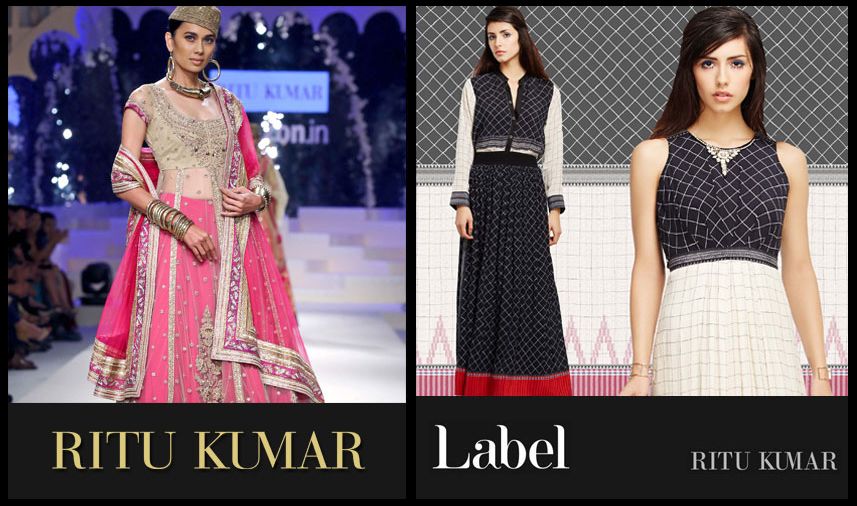
Get up close and personal with Ritu Kumar's summer 2015 collection

Source: Ritu Kumar website.

Indian luxury fashion brand Ritu Kumar has launched its Summer 2015 Collection, now available at the brand's flagship store in BurJuman Shopping Centre in Dubai. The collection includes both the Ritu Kumar as well as the Label Ritu Kumar lines.

Catering to the contemporary women of today, the Ritu Kumar Summer 2015 collection comprises of varied styles for day wear and evening, ranging from kurtis to skirts and suits. The fabrics used include jersey, crepe, cotton georgette, cotton voile.The blend of signature Ritu Kumar prints with subtle detailing provide comfortable yet chic designs with a contemporary edge. 

The Label Ritu Kumar Summer 2015 collection offers daywear to evening options for the contemporary woman. Button downs, maxis, shifts, long skirts, jumpsuits and chic tops form the core of the collection. Available in tomato reds, indigo blues, pastels and bright prints, the collection is crafted using seasonal fabrics such as jersey, crepe, chiffon, lace and georgette. The Label spring-summer (SS) '15 collection has a lot of vintage prints like paisleys and bold florals.

Interested?

Visit the Ritu Kumar store at Level 1 - 137B in BurJuman Shopping Centre. 

28 October 2014

Philippines, New Zealand and Australia are top three for gender equality in APAC

The global gender gap has barely shrunk in nine years. According to the Global Gender Gap Report 2014*, launched today, the gender gap for economic participation and opportunity now stands at 60% worldwide, having closed by 4% from 56% in 2006 when the World Economic Forum (WEF) first started measuring it. With all else remaining equal, it will take 81 years for the world to close this gap completely, the organisation said.

“Achieving gender equality is obviously necessary for economic reasons. Only those economies who have full access to all their talent will remain competitive and will prosper. But even more important, gender equality is a matter of justice. As humanity, we also have the obligation to ensure a balanced set of values,” said Klaus Schwab, Founder and Executive Chairman of the WEF.


The WEF points out that healthy and educated women are likely to have healthier and more educated children, creating a virtuous cycle for any community or country. When the number of women involved in political decision-making reaches a critical mass, their decisions – which take into account the needs of a wider segment of society – lead to more inclusive results. Companies that recruit and retain women, and ensure that they attain leadership positions, outperform those that do not. 

The report, an initiative by the Gender Parity Programme, measures the gender gap in 142 countries, and says it is narrowest in terms of health and survival. "This gap stands at 96% globally, with 35 countries having closed the gap entirely," said the WEF in a statement. Three countries closed the gap in the past 12 months. 

The gap for educational attainment is the next narrowest, at 94% globally, and 25 countries have closed the gap entirely. The gap for political empowerment, meanwhile, is only at 21%, but has seen the most improvement since 2006. 

The WEF notes that the trends are not always positive. Nearly 30% of the countries covered have wider education gaps than they did nine years ago, and over 40% of countries have wider health and survival gaps than they did nine years ago, the organisation said.

In Asia and the Pacific, the Philippines remains the region’s highest-ranked country (no. 9), followed by New Zealand (no. 13) and Australia (no. 24). Only one other nation, Mongolia (no. 42), is in the top 50. Singapore, the People’s Democratic Republic of Laos and Thailand come next in 59th, 60th and 61st place, respectively. Japan has gone up one place to 104th; China has fallen 18 places to 87th, largely due to its very low sex ratio at birth; and India is now the lowest-ranked BRICS nation at 114th. India is also one of the few countries where female labour force participation is shrinking.

In the Middle East and North Africa, Kuwait, at 113rd, is the highest-placed country in the region, after making significant gains in overall income, including for women. The UAE, at 115th, 
second highest-ranked. It is lower in the rankings but has shown major improvement relative to its past performance on economic and political participation. The lowest-ranked country in the index, Yemen, at 142nd, has remained at the bottom of the index since 2006; but it has significantly improved relative to its own past scores.

“Much of the progress on gender equality over the last 10 years has come from more women entering politics and the workforce. While more women and more men have joined the workforce over the last decade, more women than men entered the labour force in 49 countries. And in the case of politics, globally, there are now 26% more female parliamentarians and 50% more female ministers than nine years ago. These are far-reaching changes – for economies and national cultures, however it is clear that much work still remains to be done, and that the pace of change must in some areas be accelerated, ” said Saadia Zahidi, Head of the Gender Parity Programme at the WEF and lead author of the report.

Key findings for Asia Pacific and the Middle East include:

The most improved country relative to its starting point nine years ago for economic participation and opportunity is Saudi Arabia, and the United Arab Emirates for political empowerment. In absolute terms, the most improved country is Nepal for educational attainment.

Within the economic participation category, Nepal was one of the countries globally which had the most absolute gain in terms of increased rates of female labour force participation. Kuwait and Singapore have seen the largest absolute gains on women’s income.

The countries with the most losses relative to their past performance are: Jordan on economic participation, and India on health. 

The least-improved countries in absolute terms are: India for health and survival, and Sri Lanka for political empowerment.

Read the full report here. 

*The Global Gender Gap Index ranks 142 countries on the gap between women and men on health, education, economic and political indicators. It aims to understand whether countries are distributing their resources and opportunities equitably between women and men, irrespective of their overall income levels. The report measures the size of the gender inequality gap in four areas:
  • Economic participation and opportunity – salaries, participation and leadership
  • Education – access to basic and higher levels of education
  • Political empowerment – representation in decision-making structures
  • Health and survival – life expectancy and sex ratio
Index scores can be interpreted as the percentage of the gap that has been closed between women and men, and allow countries to compare their current performance relative to their past performance. In addition, the rankings allow for comparisons between countries. Thirteen out of the 14 variables used to create the index are from publicly available hard data indicators from international organisations such as the International Labour Organization, the United Nations Development Programme and the World Health Organization.

1 April 2014

Women in the Philippines expanding roles in commerce and industry

The Philippines' Technical Education and Skills Development Authority (TESDA) has revealed that more females are taking on skills training in male-dominated fields.

The Philippines Information Agency quoted Amelito Cardenas, TESDA Pangasinan supervising specialist, as saying that more women are now enrolled in technical-vocational (tech-voc) and private institutions in non-traditional industries, including welding and the automotive industry.

Cardenas also disclosed that TESDA has a free training programme designed for women who own sari-sari stores and carinderia.

“TESDA, in partnership with Coca-Cola Bottlers Philippines and a micro-finance
institution in Pangasinan, is giving them free entrepreneurial skills
training to improve their business,” he said.

The Technical Education and Skills Development Authority (TESDA) said skills training courses in “male-identified” job fields has become popular to female workers.

Engr. Amelito Cardenas, TESDA Pangasinan supervising specialist, said more women are now enrolled in technical-vocational (tech-voc) and private institutions taking up non-traditional trades such as welding and automotive.

The TESDA Provincial Training Center in Lingayen town also employed tech-voc graduate Ledelyn Dela Cruz, 30, a native of barangay Basing in Binmaley town, who handles welding training, Cardenas said during the “Pantongtongan Tayo” radio program of PIA-Pangasinan aired live over DZMQ Radyo ng Bayan recently.

Dela Cruz finished Bachelor of Elementary Education at University of Pangasinan but decided to make a career change.

She said that her decision to abandon her job as a school teacher in Calasiao and become a trained welder was one of the best moves she made.

“There is a lot to love about this job and it’s much more than just doing grunt construction work,” Dela Cruz said.

Meanwhile, Cardenas disclosed that TESDA has a free training program designed for women who own sari-sari stores and carinderia.

“TESDA, in partnership with Coca-Cola Bottlers Philippines and a micro-finance institution in Pangasinan, is giving them free entrepreneurial skills training to improve their business,” said Cardenas.

These efforts are made to enrich and empower women's lives, he added.

27 March 2014

Men and women react to office temperatures differently: Andrews Sykes

A survey in the UK has found that less than a quarter of office workers find the temperature in their office comfortable, with more than a third suggesting they take at least 10 minutes out of work each day due to temperature alone. 

One Poll surveyed 2,000 people on behalf of heating and ventilation specialists Andrews Sykes in a bid to discover how much the temperature affected workplace efficiency and output. The results suggest that around 2% of office hours are wasted due to the temperature alone*.
  • Only 24% agreed that their office was an ideal temperature for working throughout the year.
  • Women wasted an average of 33% more time (around 9 minutes, compared to 6.5) than men trying to acclimatise themselves to inadequate office conditions.
  •  70% of women have needed to bring in additional clothing to the office to keep warm, and 50% resorted to excessive cups of tea, while fewer men; 44% and 28% respectively, needed warm clothing or a hot drink.
  • Surprisingly, nearly 10% of women have resorted to bringing in a hot water bottle to work.
The ramifications of this are larger than may be expected: 29% of people surveyed estimate they spend between 10 and 30 minutes each workday not working due to an uncomfortable office temperature.  A surprising 6% believe they spend more than half an hour each day not working well for this reason.
This means that an office of 100 people will have at least 8 hours wasted each day, due to the temperature alone. The full figure could be more like 18 hours - the equivalent of more than 2% of staff members never turning up to work.

Helen Pedder, Head of HR for ClearSky HR, said there are various steps that an employer can take to prevent a dip in productivity and performance. "Relaxing dress code requirements where appropriate and providing heating and/or cooling devices are effective methods that help to regulate thermal comfort," she said.

Some further findings:

  • 27% of women have complained to management about the temperature, compared with 17% of men
  • 48% of women have complained to a colleague about the temperature, compared with 31% of men
*Assuming a 228-day working year.