Showing posts with label outlook. Show all posts

2 September 2020

OTT video and video games are the winners in 2020 entertainment & media landscape

Consumer habits can take a lifetime to learn – but just a lockdown to lose, says PwC. According to the consultancy's Global Entertainment & Media Outlook 2020–2024, the COVID-19 pandemic has accelerated and amplified ongoing shifts in consumers’ behaviour, pulling forward digital disruption and forging industry tipping points that wouldn’t have been reached for many years.

Digitalisation, one of the major forces shaping all industries, has been intensified by safe distancing and mobility restrictions, PwC said. As a result, the entertainment and media (E&M) world in 2020 has become more remote, more virtual, more streamed, more personal and – for now at least – more centred on the home than anyone anticipated at the start of the year.

PwC has forecast that 2020 will see the sharpest fall in global E&M revenue in the 21-year history of this research, with a decline of 5.6% from 2019 – more than US$120 billion in absolute terms. In Singapore, the expected decline is 5% from 2019, valued at approximately US$274 million.

Oliver Wilkinson, Entertainment and Media Leader, PwC Singapore said: "The year 2020 presents a paradox for many Singapore media businesses. There is more consumption of media than ever before, with Singaporeans stuck at home during the circuit breaker. Yet at the same time, there has been a sharp contraction in revenue and profitability for many industry players.”

While the shockwaves from 2020 will continue to ripple through the global economy, the PwC forecast shows the industry’s fundamental growth trajectory remains strong. The projections show that in 2021, global E&M spending will grow by 6.4% (Singapore: 5.3%). Singapore E&M spending is also expected to bounce back to US$5.5 million, reaching 2019 levels. From 2019 to 2024, the outlook forecasts overall revenue growth running at a 2.8% CAGR globally and a 2.5% CAGR in Singapore.

The current pain in E&M is most acute in segments that COVID-19 literally shut down, such as events: live music, cinema and trade shows. Spending on cinemas in Singapore projected to fall by 59% in 2020 and is expected to make a slow recovery. The current forecast shows that by 2024, cinema spend will remain shy of 2019 levels (US$205 million in 2019, US$200 million in 2024). At the same time, the long-running transition in newspapers from print to digital has been fast-forwarded several years, cutting into papers’ print revenues, for example.

The ongoing decline in global newspapers and consumer magazines has accelerated sharply in 2020, with overall revenues in Singapore slumping by 13%. Consumer magazines are suffering the most. That said, digital offers a silver lining: a tipping point for consumer magazines in 2024 will see their global revenue from digital advertising overtake that from print advertising. Other important sectors will struggle to claw back the growth they lost in 2019. For example, out-of-home advertising is expected to decline by 24% in 2020 but will recover in 2022.

With people staying at home, over-the-top (OTT) video has seen global revenue surge by 26% in 2020 with the Singapore numbers climbing ahead at 32%. And it is forecast to keep rising strongly in the coming years, doubling in size from US$234 million in 2019 to US$477 million in 2024. With more people home, the video games segment has also grown quickly in Singapore amidst the crisis. The segment shows 9% growth this year will remain one of the fastest growing segments going forward to 2024.

Source: PwC. Graphic illustrating the Global Entertainment & Media Outlook.

Wilkinson added: "What is consistent with the outlook from prior years is the wide variance of performance between different segments, particularly given the acceleration of digital media adoption at the expense of traditional. It is in this sense that the pandemic has brought the future forward.

“That said, most affected of all have been the live entertainment and cinema segments. Before this crisis, experiences were amongst the better performing parts of the industry, but they have taken a large hit due to the safe distancing and travel restrictions. We still see a good future for such events and live experiences, but it may be some years before they can adapt to this new normal."

PwC’s 21st annual edition of the Global Entertainment & Media Outlook is an online source of global analysis for consumer and advertising spending. With like-for-like, five-year historical and five-year forecast data and commentary for 14 defined industry segments in 53 territories, the Outlook makes it easy to compare and contrast consumer and advertising spending across segments and territories.

Details:

Buy a subscription or a segment of the Global Entertainment & Media Outlook

*As PwC continually updates the online Global Entertainment & Media Outlook data, the data at the time of writing may not align with the data found online. Please refer to the online Global Entertainment & Media Outlook 2020–2024 as the most up-to-date source of consumer and advertising spend data.

21 March 2019

CAGR of 5% for keto diet market

The keto diet has become popular as it reduces weight and body-fat percentages more rapidly than other diets for obese and overweight consumers, says Technavio.

The diet recommends adhering to an extremely low-carbohydrate, high-fat for regime in order to kickstarr a metabolic state known as ketosis, which makes the body more efficient at burning fat.

The research firm predicts that the keto diet market will register a CAGR of close to 5% by 2023. One of the key drivers for the market is the availability of keto diet products across online channels, specialty stores, supermarkets and hypermarkets.

However, a keto diet can have various side effects. The effects could have a negative impact on market growth, Technavio said.

The research has been mixed. A 2017 review noted that keto diets for type 2 diabetics are associated with a better control in glucose homeostasis and a reduction in antidiabetic medications but also warned that improvements seem to be short-term.

Details:

Buy the report

16 January 2019

Dato' Joey Yap shares predictions for Year of the Earth Boar, 2019

- Five thousand participants attended Dato’ Joey Yap’s annual Feng Shui & Astrology seminar in January 2019

- Dato' Yap shared forecasts for the Year of the Earth Boar and shed light on the global economic landscape of 2019.

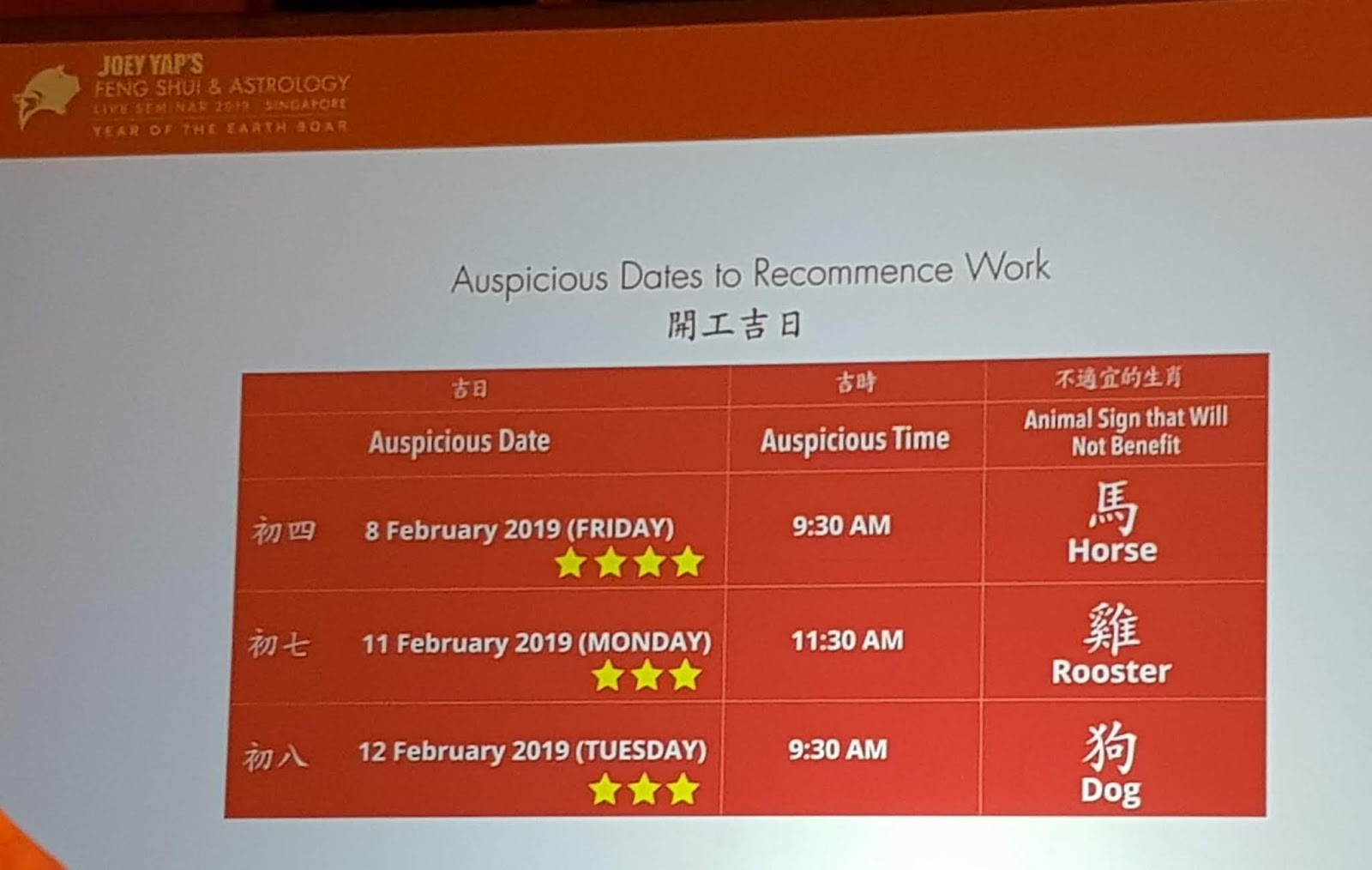
- Auspicious dates to start work in 2019 were also highlighted – 8 , 11 and 12 February

- Yap collaborated with EZ-Link to release a series of limited-edition EZ-Link cards

Source: Joey Yap Group. The event in Singapore was sold out.

On 13 January 2019, global best-selling author and fengshui expert Dato’ Joey Yap shared forecasts for the upcoming lunar new year with 5,000 people at his annual Feng Shui & Astrology seminar in Singapore.

The straight-talking expert engaged the audience at the fully-sold out ticketed event – where people were still asking about buying tickets during the breaks – with lots of practicality, humour, pithy Cantonese phrases and insights from fengshui, qimen philosophy, face-reading as well as his own experience of running a business.

According to him, the Year of the Earth Boar can be summarised into two words: stable progression. On a grand political and economic scale, sluggish development will likely be the theme for the first half of the year. However, things are anticipated to pick up towards the latter half of 2019, as investments in time and resources during the first half start to show tangible results.

Given that the vibrancy of the year favours the fire and water elements, industries that will do well include online retailing due to the mixture of fire element (technology/online) and water element (retail). Industries that emphasise high mobility including the water, hospitality, tourism and fast-moving consumer goods sectors, will see growing potential while the property market will face stagnation.

Prices are forecast to remain sticky while loans from financial institutions are scarce, impacting property purchases negatively. Technology companies are advised to work on securing their customer base in light of the tighter controls and governance being introduced to the industry.

With all these in mind, he advised participants to always fall back on their individual bazi (八字, literally eight characters) charts* so as to discern all obstructions in the next twelve months. The bazi chart shows the potentials possible, and is a guide on how external energies interact with personal characteristics.

For example, the Year of the Earth Boar is a vibrant year and the market favours the new and risky. If a person's bazi chart is dominated by the water element, the person will be able to handle the new, bold and risky. However, those that has little or no water at all will feel lost or umcomfortable. This can nevertheless be managed by an increase in self-awareness and willingness to accept change.

Dato’ Yap further highlighted auspicious dates for the year. Starting up the business in the new year is best on 8, 11 and 12 February.

Certain dates and times are considered more auspicious than others for beginning work for the first time in the year of the pig.
Certain dates and times are considered more auspicious than others for beginning work for the first time in the year of the pig. However, these dates may be ineffective for those who have specific animals in their bazi charts.

The Year of the Earth Boar is especially good for those who can provide clarity, associated with the fire element. Dato' Yap recommends thinking along the lines of a technology or framework that can help consumers verify a provider via their online footprints. Those born in the years of the monkey, horse, tiger and rabbit will also be exceptionally fortunate.

General predictions for 2019, the Year of the Earth Boar included:


Those who have pigs as part of their bazi

“Everyone is paying attention. This is your year to shine,” Yap said.

He explained that existing problems from the year before will see resolutions in the Year of the Earth Boar. “You're not going to have a year without problems,” he said. “As long as you are alive there are problems. But you want to have better-quality problems than the year before.”

An example of a better-quality problem, Yap said, is when he began his seminars in 1999 with an audience of eight – including himself, and a friend. This year, his seminar in Malaysia saw thousands of people and Singapore's event was sold out.

“Next year's problem is that I need a new place,” he said. “I'd rather have this problem than an eight-person problem.”

“(Pigs) need to be more forgiving, more compassionate - “then your problems are released,” Yap added.

Pigs could become famous or infamous in their year. “Be careful of your posts,” he warned.

Those who have snakes as part of their bazi

They will see change no matter what they do. Female noble friends (贵人), or people who are in a position to help them, such as a boss or a business partner, will be particularly helpful. Noble people, sometimes called benefactors, are able to provide invaluable help to individuals.

Monkeys

Monkeys should just eat and enjoy the year. If they do not, they lose out on the opportunity to meet people. “Make as many contacts (at this event) as possible – but (get in touch) only after February 4,” Yap told the audience, stressing that the predictions only take effect from the first day of the year of the pig, and will not have the same effect before.

Monkeys will attract a lot of people who are generally jealous of their good lives, Yap added. “Since you know that, you might as well party to the max,” he commented.

Rats

“Your job is to be used by others,” Yap said. “You can choose to be useful or useless. Which one do you prefer?

“If you are useful you are the noble person to other people.”

Rats will also be able to buy good properties and cheap, but at the standards of those who are billionaires or multimillionaires. Those who are not can still benefit. Yap said, “If you work for them you can fish these deals for your bosses, take a small cut; you know what to do.”

“Forgetfulness” is also something to watch in 2019, at least for rats. Those who are salesmen or brokers should be careful of ove-rpromising and under-delivering, Yap said.

Horses

Horses will be able to spot good deals for property. “(Whether you) can or cannot buy depends on whether you have enough funds,” Dato' Yap noted, advising those with horses in their bazi to work on partnerships so they can be in the best position to grasp a deal.

Rabbits

People will recognise rabbits for their expertise, if they are in the right place at the right time. “Do something that allows you to be famous, be seen,” Dato' Yap advised. As an example, if a rabbit posts a YouTube video, it has a higher chance of going viral, he said.

Roosters

Roosters will suddenly understand complex things more easily, Yap predicted.

For roosters, things will also tend to break down. “You conflict with items and equipment,” Yap said. “If your job and work heavily depend on tools, you should be careful.”

Goats/sheep

“If you want to learn anything associated with art, this year is the year for it,” Yap said.

Art does not necessarily mean the fine arts alone. Yap suggested that marketing, public relations, networking, presentations, and deal-making can also be arts. “You will master it this year,” he said.

Catching the opportunity is crucial mainly because the stars will not be aligned this way again for another 12 years, when the year of the pig returns, he said.

“Pick up a new skill or research. If you learn something new this year you get maximum benefit from whatever you learn. Learn something beneficial for your career; you can increase your income, your success rate,” he said.

Dogs

Dogs may become depressed, but can banish depression with forgiveness and kindness, Yap said.

“If you can forgive yourself and be kind to yourself, you will free yourself from inner drepression and unhappiness.”

“Karma is cause and effect. If you don't want the effect, remove the cause lah,” he advised.

Dogs will have to deal with above-average amounts of pettiness. “A lot of people will come in and they harbour hatred for you. You should also learn to forgive them in order to move on,” Yap advised.

Tigers

Tigers should learn something to do with business, though learning how to manage a business is important for anyone. “If you rise to (a) very senior (position you) have to know business...(this is) the best time to acquire knowledge about making money,” he said, pointing out that anyone who has to make decisions has to have business skills.

Those whose bazi contain all four animals – rooster, goat, monkey and tiger – will have to pay particular attention to personal safety, Yap said.

Roosters will find themselves near natural disasters, so should avoid dangerous places, while goats may see more physical injuries. Tigers will smash into things while monkeys will suffer cuts “here and there”.

On the subject of health, dogs will tend to be the first to get sick, while pigs may need surgery. Oxen should not attend funerals – not because they attract evil spirits as traditionally believed, but because they will likely catch any viruses that are going round.

“If you don't have the ox in the chart you can attend as many funerals as you want,” Yap said to laughter.

Snakes will be able to solve problems with existing illness. “This is the best year to do (surgery), it reduces potential problems at least by 50% or more,” he said.

In terms of directions, illness is based in the northeast in 2019. “If there are two or more illness stars in your (bazi) I would not suggest sleeping in the northeast sector. You could have a very long downtime,” Yap said. If however a bedroom is in the northeast but the sleeper does not have any of the illness stars, that is fine, he added.

Getting rich is easy, but staying rich is difficult. In the new year, monkeys can lose money, snakes have to spend money and rabbits should save money.

Yap said monkeys should be concerned with losing what they have obtained easily, in trade, partnerships and so on. “On the flip side you have something to lose,” he said.

Snakes should be prepared to spend a lot of money up front. Yap advised them to spend on experiences, but only after February 4.

Rabbits must save money. “It's good if you save 70% but 30% should be actively working hard for you,” he said, noting that it takes a long time for a nest egg to grow from savings alone.

Dogs must use money to serve others, so could serve the community by becoming a community leader, while dragons will be compelled to buy what they do not need. “It's going happen anyway - you might as well do it,” he said. “It doesn't mean you don't have money, (it's just that) there's a different way to treat your money.”

Questions at the event focused mainly on career choices, running the business and investments, though audience members also asked about improving health. Some of the insights Yap shared included:

Improving work-life balance – balance means stasis, while not being balanced means that there is progress towards a desired destination. “Balance is no good,” he said, illustrating his point with a stationary marker standing vertically versus one which is rolling on its side.

Yap advises getting paid more for work or being able to complete the same work more quickly by improving your value instead.

Relationship problems – these occur when you expect the other person to do something and they don't. Yap said that while such problems can be blamed on other things, such as a clash of bazi between a dragon and a dog for example, it is actually about unmet expectations.

“If your expectations are met, you will have longer-lasting relationships,” he said.

Social media – On a related note, Yap observed that “it's all so perfect on Instagram and on Facebook”, while viewers may wonder why their relationship and life is so much worse.

'(It) gives you an unreal expectation of what life should be,” he said. “The whole idea of Instagram and Facebook is to make other people jealous...but in reality their life is not like that.”

“If you want to make things good, be your partner's noble person,” he said, in a take of 'do unto others what you would like others to do unto you'.

Fame – Dato' Yap is a big believer in becoming more well-known. “If you can capitalise on your fame you save on many years of marketing,” he explained. “Fame allows you to enter into the minds of other people and own real estate space...if you own that space in other people's minds, you literally carve out your market.”

Academic merit – Academic prowess does not only refer to studies. For Yap, it is about graduating from the university of life and not “the university that you're studying in, with straight 'A's”.

“It's harder to graduate from life,” he said. “If you knew what you need to know, you'd already be there.”

As an example, he pointed out that the full-house event the audience were at required a lot of effort in the background, from building mindshare to having expertise to share. “To make this happen, (to get from) where you are to where you want to be, (this) needs knowledge,” he said.

Offerings to the god of wealth - the god of wealth is actually a star in the south, personified, Dato' Yap said. While the traditional way of welcoming the god of wealth is with a table of physical offerings, Yap says that it is all about balance.

“If you make a wish, ask for something, the spiritual contract says you must offer something,” he explained.

To request a specific outcome, such as to see sales increase by 30%, there must be efforts to get that 30% such as attending sales classes, or calling 10 people a day.

“Everything you put on the table is an offering.. you offer what you intend to do,” he said.

The idea is that while you can strive to conduct five meaningful conversations with people in a week to increase sales of a product, you are unlikely to be able to control whether they are fertile ground – people who like the product, or may be interested in it. This is where the god of wealth could come in.

“If you don't do your part then the god of wealth will not do their part,” he said. “If you intend to do nothing, I guarantee you won't get anything. Everything is an exchange of energy. Get something that the universe can provide you with.” 

Part of signage that shows the Business
Academy
logo and event details.

In 2019, Dato' Yap will be sharing his own experience in running a business for the first time. While the theories will still be based on Chinese metaphysics, he will be including a lot of business principles, and bringing in billionaires to share their experiences with participants. The event will be held in Malaysia.

The Joey Yap Business Academy is Yap's take on getting started and winning in business, targeted at those starting out or thinking of going into business, or who have not yet broken free of the S$5 million mark.

“Getting real estate in a client's mind, it's what I actually do,” he said.

The first Business Academy will be from 18 - 20 May, in Kuala Lumpur, Malaysia. The gold places were sold out at a soft launch in 2018. Twenty silver places went for S$2,997 at the event.

Dato’ Yap’s first limited-edition Mythical Twelve Chinese Zodiac EZ-Link cards were made available during the seminar. These will be on sale at River Hongbao as well. The series is a unique collaboration between Dato’ Yap and EZ-Link. 

Personally designed by Yap, the series of cards feature individual Chinese zodiac signs as well as his 2019 Chinese zodiac predictions for that animal. At the seminar, the full set of 12 in a presentation pack cost S$120, and S$12 for a single card housed in a presentation card.

The world’s largest fengshui organisation saw 15,000 sell-outs over two days in Kuala Lumpur, Malaysia alone. Over the next two months, the seminar will continue its run around the world. In the Asia Pacific, it is due to take place in the Philippines, Malaysia, Australia, and Cambodia as well.

Explore: 

Check out seminars for other countries in the global series 

Download the Thriver’s Guide 2019. This document contains predictions for individual animals of the zodiac.

Hashtags: #joeyyap, #fsa2019

^This writer attended the event gratis.

*According to the Chinese, fortunes are governed by the date and time of birth. While the animal zodiac is the most well-known aspect of this, the year is not enough – there are actually eight parameters derived from the date and time of birth, or bazi (八字, literally 'eight characters'), including the hour, day, month and year which affect a person's life. Four of these characters involve animals.

A person's future depends on the prevailing forces for a particular year and how those forces interact with a person's bazi and their existing circumstances, such as the industry they are working in, directions they plan to go into and the people they encounter. The fortunes of one person can clash or be enhanced by the fortunes of others as well; it typically takes years of study to make sense of all the interactions.

15 January 2019

Dubai Chamber releases UAE GDP forecasts

The UAE is forecast to achieve an average real GDP growth rate of 3.8% between 2019 and 2023, supported by an increase in investment flows and private consumption, according to new analysis from Dubai Chamber of Commerce and Industry.

The findings, based on the Dubai Chamber UAE Macroeconomic Model, also forecast a recovery in private consumption and sales of highly cyclical consumer products, extending to products such as vehicles, furniture, household appliances, and medical equipment. Meanwhile, robust growth in investment is projected on the back of government fiscal stimulus.

Real GDP for the UAE’s non-oil sector is projected grow by an average of 4.1% between 2019-2023, compared to the 2.8% accounted for in the 2014-2018 period. Momentum behind the UAE’s GDP growth over the next five years will likely be led by the country’s transport and communication sector which is set to record GDP growth of 7.9%, followed by construction (4.2%), and real estate and business services (3.8%).

In addition, recent measures to reduce cost of doing business in the UAE are expected to support activity within the country’s small and medium sized enterprise (SME) and private sectors in the near future.

The outlook for the global economy over the 2019-2023 period appears more modest, with real GDP growth projected to reach an average of 3.6%, according to recent projections from the IMF. Tightening fiscal policy, higher borrowing costs, and US-China trade tensions, are among the main factors expected to impact economic growth in the medium term. On the other hand, emerging markets are expected to see average real GDP growth of 4.8% between 2019 and 2023, outperforming advanced economies and the global average.

Emerging markets in Asia, Sub-Saharan Africa, and the Commonwealth of Independent States (CIS; excluding Russia) are expected to outperform the rest of the world over the next five years, with real GDP growth projections of 6.1%, 4.1%, and 4.1%, respectively.

The Middle East and North Africa accounts for the largest share of Dubai’s exports (41%), followed by Emerging Asia with 26%, Sub-Saharan Africa (18%), CIS (1%) and Latin America (0.8%), trade data for the first nine months of 2018 revealed.

Chemicals and allied products was the top-performing product category for Dubai’s exports to Asia, which includes perfumes and cosmetics, and fluorides of aluminium.

5 December 2018

Sustainability comes to the fore for beauty industry

"Beauty manufacturers, companies, and brands must shift to a whole new paradigm when approaching zero waste and sustainability, focussing on every aspect of the supply chain."

This is the message from Mintel, the market intelligence agency. the company said Sub-Zero Waste is the trend set to impact global beauty and personal care markets in the coming years.

The zero waste philosophy is gaining momentum as more and more consumers are affected by natural disasters and dwindling natural water resources. Better informed consumers will no longer tolerate egregious waste like the Great Pacific Garbage Patch, a direct consequence of years of indiscriminate abuse of single-use plastics. Moving forward, focussing efforts on reducing packaging is not enough; there is far greater potential for ‘out-of-the-box' thinking from manufacturers and brands at every stage of the beauty supply chain.

Over the next five years, the focus on sustainability will reach new heights around the world as environmentally conscious consumers look for ways to reduce waste in all aspects of their lives, including their beauty and personal care routines. Brands that purposely create limited shelf life products or encourage overconsumption run the risk of consumer backlash. Consumers will demand that brands be more environmentally responsible and take accountability for their actions, Mintek said.

Sharon Kwek, Senior Innovation and Insights Analyst, Mintel Beauty and Personal Care said, “‘Sub-Zero Waste' is not just a trend; it's a movement towards a ground-shaking new archetype for the beauty and personal care industry. Some companies are already discussing completely removing packaging from the equation.

"Whether reducing or eliminating waste altogether, if brands don't change their approach now, they will become insignificant. Brands that place current profits ahead of making the necessary investment in zero waste and sustainability will not be around in the future.

"We’re seeing that some indie brands have the upper hand with regard to sustainable beauty as they have built their business practices around ethics and environmentally friendly practices. Larger brands must adopt new practices in order to catch up with these smaller, more nimble competitors.

"Consumers today are paying a lot more attention to their impact on the planet and climate change calls are more drastic than ever before. A bigger-picture focus is needed throughout the beauty and personal care industry supply chain for a true zero waste mentality."

5 June 2018

ACCA forecasts market demand for professional business and advisory services in ASEAN and China

The Association of Chartered Certified Accountants (ACCA), the largest global professional accounting body in the world, has launched a new report on future demand for professional business and advisory services, supported by the Singapore Accountancy Commission.

Source: ACCA Global website. Cover for the Market demand for Professional Business and Advisory Services report.
Source: ACCA Global website. Cover for
the Market demand for Professional
Business and Advisory Services
 report.
Professional services provided to corporates, including small and medium sized enterprises (SMEs), increasingly include services relating to data science, analytics, and artificial intelligence, ACCA said in the report. As an external aid to corporates, they can act as a powerful catalyst to develop and expand the digital economy and transform Southeast Asia into a smart region.

The report examines market demand for specific professional business and advisory services in Singapore, the ASEAN region, and China over the next three years, based on corporate budgets.

It also states where businesses are leveraging on external advice and aims to help consultancies (including accounting entities) review and tune their service offerings and business models to maximise growth and revenue in coming years.

According to the report, the IT solution business as a service line; including IT advisory as a service category, were among the top three most demanded professional services by corporates in the next three years.

In her keynote address, Idranee Rajah, Minister in the Prime Minister's Office and Second Minister for Law, Finance and Education, noted that the report had identified shifts towards:

- Smart software and systems automating mundane manual work like bookkeeping and expense processing.

- Emerging technologies such as artificial intelligence (AI) fundamentally changing the way complex and multifaceted accounting work is conducted.

"There were mixed feelings, I think, when we first learnt about new technologies like artificial intelligence and robotics. We felt that these technologies would change the way we live, work and play. We also realised that these technologies would destroy jobs," she said.

"But today, we have started to adapt. Today, we are starting to leverage on these technologies to improve our business processes.

"In the accountancy sector, robotic process automation has been used to automate repetitive processes. For example, businesses in retail, e-commerce and hospitality have adopted Xero, an online accounting software that automates manual processes. With Xero, retailers find that they can better manage their businesses such as tracking inventory and costs.

"With technology, professional accountants in business have moved up the value chain, from score keepers and, I dare say, bean-counters, to strategic business leaders. Similarly, in the legal sector, new technologies like lawyer-bots have also automated low value-added work for lawyers."

Minister Rajah also said that the technologies are currently incapable of building relationships, of replacing all systems, or of replacing all staff. "And when it comes to the human intricacies of the work that both the accountancy and the legal profession do, these technologies cannot do it all," she said.

Adaptivity, collaboration and trust will be key for the future. "As we transit into the digital world, these qualities remain relevant, in fact, not just relevant but essential, and will form the foundation for the accountancy and legal professions to effectively harness digital connections," she said.

The report was launched at the 2018 ACCA annual conference, themed Professional Accountants - The Future: ASEAN Digital Perspectives.

Helen Brand, OBE, Chief Executive for ACCA, presented at the conference on Shaping the global accountancy profession across three dimensions: digital, social and ethical. She said, “What this generation recognises is that they have a great opportunity to influence their organisations and lead the way with technology. This could be in terms of improving business processes, driving better knowledge collaboration, influencing employment models and the working at home agenda, virtual working or shaping future learning interventions. They may even be able to help with reverse mentoring of older colleagues with technology in the organisation.”

Leong Soo Yee, Director of ACCA, ASEAN & ANZ said, “ASEAN and the digital economy have great importance and impact in the region across multiple dimensions. This is further compounded with the scale and speed of activity in the digital economyg sector.”

ACCA, NTUC, AI Singapore further pledged to help accelerate capability development in the finance and accounting functions of small and medium enterprises (SMEs) and for small and medium-sized professional services firms in finance and accounting (SMPs) on the sidelines of the ACCA Annual Conference 2018 in Singapore. The partnership will provide training, workshops and solutions in the three areas of talent development, digitisation and internationalisation, under the ACC(X)ELERATE programme.

Insights were drawn from various studies in designing the programme, including ACCA’s Professional accountants – the future: Generation Next, global research that highlight the skills finance and accounting professionals need to enhance their employability. ACCA’s Market Demand for Professional Business and Advisory Services was also a reference. This research revealed a growing demand for non-regulated professional services ranging from IT solutions advisory to risk advisory and process improvements.

Other references included NTUC’s Future Jobs, Skills and Training (FJST) Forum 2018 report, which highlighted the key enablers of success for companies to transform and stay relevant in a changing world of work, and a NTUC roundtable discussion with chief financial officers, 76% of which had indicated technology as the key driver of change for jobs and skills in the accountancy sector. Of the remainder, 20% felt that the change came from changes to business models and the remaining 4% felt that it was due to globalisation.

ACCA will engage SMBs and SMPs to take the lead in leveraging technology to transform their businesses and take active steps to develop their workforce’s skillsets. To enrich accountants and finance professionals’ digital skills and knowledge, it will also provide training and workshops focused on technology education that enhances productivity and facilitates internationalisation, including cloud technology. Tapping on NTUC’s suite of progression and placement programmes, workers will also be guided through this transformative process, enabling and ensuring that they stay competent to take on the jobs of tomorrow.

The programme draws on the digital expertise of AI Singapore and will work with technology solution partners that operate in the cloud and small business space, to accelerate the digital awareness and transformation in the finance function. ACCA and AI Singapore will also explore robotic process automation (RPA) as a potential industry solution and an AI talent recruitment programme for accounting and audit firms.

Reuter Chua, Country Head, ACCA Singapore, said, “ACCA’s global insights present the future of the profession and what global business leaders need from their finance functions to guide the direction of our programme."

Patrick Tay, Assistant Secretary-General, NTUC shared, “As highlighted in various studies including the one done by NTUC’s FJST, our finance and accountancy professionals will increasingly need to incorporate technology into their daily work as businesses and business operations transform."

"We urge employers in this sector, especially our SMEs, to leverage the program to develop their talents, digitalise their businesses and work with NTUC on the continued progression of their workforce. Collective action on the part of all stakeholders is a key driver to enable deep, sustained and meaningful change, and we look forward to partnering our industry partners, our employers and our workers to transform the sector for the future economy,” he added.

More details on the ACC(X)ELERATOR programme will be released end of the year.

Explore:

Download the Market demand for Professional Business and Advisory Services report

24 May 2018

AR, VR show promise in APeJ

Asia Pacific excluding Japan (APeJ) spending on augmented reality and virtual reality (AR/VR) is forecast to reach US$11.1 billion in 2018, an increase of more than 100% from US$4.6 billion the previous year, says research firm IDC.

The latest update of IDC's Worldwide Semiannual Augmented and Virtual Reality Spending Guide shows investments on AR/VR products and services have gained "exceptional market momentum" in 2018 and are expected to achieve a five-year CAGR of 68.5% through the forecast period of 2017 to 2022.

“The availability of new standalone VR headsets such as Oculus Go from Facebook and Mirage Solo from Lenovo is expected to drive adoption as well as content spending in 2018 and beyond, as these headsets eradicate the need for pairing with PCs or consoles that used to drive costs higher for AR/VR experiences," said Avinav Trigunait, Associate Research Director at IDC Asia Pacific.

The consumer sector will continue to drive growth for AR/VR products and services, and accounts for 51.3% of overall spending in 2018. The growth will be primarily driven by the availability of new headsets for VR which will lead to VR consumer spending. 

AR spending will be dominated by the purchase of services – the launch of AR software development kit (SDK) platforms from both Google and Apple are also expected to drive spending on application development and games for mobile platforms. AR games in the consumer sector look  promising and are projected to hit a five-year CAGR of 90.9%, whilst VR games will register a growth of 54.7% in five-year CAGR over the forecast period. 

Source: IDC. Top use cases for AR/VR based on 2018 market share.

Enterprise spending, which represents more than 48% of AR/VR spending in 2018, is expected to overtake the consumer sector in the next five years with 58% share by the end of the forecast period. Each of the five commercial sectors is forecast to register solid growth in spending throughout the forecast period, led by the distribution and services, and public sector. Distribution and services, worth US$2 billion, will be the largest amongst the five commercial sectors in 2018, led by the personal and consumer services, retail, and professional services industries. The second-largest sector will be manufacturing and resources (US$1.7 billion) with balanced spending across the process manufacturing, construction, and discrete manufacturing industries.

The VR games use case has the highest share among all the sectors, garnering a 39.4% share of overall spending in 2018. In the distribution and services sector, training and retail showcases will be the two largest AR use cases with a combined spending of more than US$329 million in 2018. Training, industrial maintenance and project management will be the largest use cases in the manufacturing and resource sector. In the public sector, infrastructure maintenance and government training will be the two largest use cases in 2018.

"The use cases for both AR and VR are proliferating in the enterprise segment as companies across sectors are developing new IT and business applications. Many enterprises in the region have already developed solutions utilising AR and VR such as for design and visualisation, corporate training, field maintenance and customer experience, and marketing applications," added Trigunait.

"AR/VR technologies are quickly crossing the chasm with several real-world applications emerging every day in both enterprise and consumer segments. Although, the Asia Pacific excluding China and Japan adoption is slower when compared with the US or even China markets, the growth trajectory is very promising with enterprises which are utilising AR/VR technologies to accelerate their digital transformation strategies. In terms of spending, the education industry is expected to top the charts from 2019 till the end of the forecast period out of the 19 industries covered in this spending guide. Other key industries driving growth for AR/VR include retail, manufacturing and healthcare," said Swati Chaturvedi, Senior Market Analyst, IDC IT Spending Team.

On a geographic basis, China will be the region with the largest AR/VR spending with 91.3% share of the overall spending (US$10.2 billion) in APeJ in 2018 and this trend is likely to rise over the forecast period with a five-year CAGR of 70.5%. While, AR/VR technology in other countries of APeJ are slowly emerging and experimenting around how AR/VR can improve the retail and other industry experiences.

1 September 2017

The growth opportunity in personal care will come from bioactive ingredients

The global shift in demand from synthetic to natural active ingredients due to the belief that they are more benign to human health and the environment is drawing considerable investments to the personal care active ingredients market, says research firm Frost & Sullivan.

Source: Frost & Sullivan. Generic personal care dispensers.
Natural active ingredients take up 25% to 30% of the total market today but is expected to double in proportion by 2023, triggering a series of innovations aimed at countering the inherent instability of biological ingredients.

"The preference for natural ingredients is particularly strong among consumers from India and China, who have been exposed to traditional Ayurvedic and Chinese medicines," said Frost & Sullivan Visionary Science Principal Analyst Raghu Tantry. "Although personal care companies such as Natura Cosméticos and the L'Oréal Group offering natural products have reported a significant increase in sales, companies need to be prudent when making claims on the labels as they are closely watched by regulators."

Manufacturers are to tap growth opportunities in personal care through diversification and offer of multifunctional ingredients, says Frost & Sullivan’s Visionary Science team. Natural ingredients' susceptibility to microbial contamination and incompatibility with other ingredients compel manufacturers to employ technologies such as encapsulation. Controlled release technologies are also popular since they enhance the effectiveness of natural ingredients and widen margins by using highly effective, specialised active ingredients rather than commodities, Frost explains.

Active ingredients application in personal care is expanding beyond moisturising and sun protection in body care to antipollutant and antioxidant protection in haircare. Furthermore, ethnically diverse regions are presenting new opportunities to active ingredients and cosmetic manufacturers; for example, there is a huge market for halal beauty products in the Middle East and skin whitening ingredients in Asia-Pacific, Frost notes.

"The market is witnessing the rise of several regional players; however, most of them are looking to compete against the majors on price rather than innovation," observed Tantry. "To stay afloat in such a competitive market, active ingredient manufacturers have to focus on research and development (R&D), establish effective distribution channels, and collaborate with personal care product manufacturers to better understand their pipeline of new products."

As price pressures are high, participants need to arrive at the optimum mix of cost leadership, innovation and diversification in their business strategies. Lastly, they have to support their customers with credible research and track consumer markets to make the most of the abundant opportunities in the global market.

Interested?

Global Personal Care Active Ingredients Market, Forecast to 2023 (K187-39) is part of Frost & Sullivan's Future of Health, Beauty and Packaging Growth Partnership Subscription. The study covers ingredients for moisturising, ultraviolet (UV) filters, anti-ageing, exfoliating, conditioning, antimicrobial, and others. Get complimentary access to more information on this analysis and to register for a Growth Strategy Dialogue, a free interactive briefing with Frost & Sullivan's thought leaders.

6 July 2017

IMF completes 2017 Article IV consultation with Vietnam

The Executive Board of the International Monetary Fund (IMF) has concluded the Article IV consultation with Vietnam*. According to the IMF Vietnam’s economy continues to perform well, aided by sound economic fundamentals. Growth moderated to 6.2% in 2016, reflecting the impact of a drought and land salinisation on agriculture and lower oil production. 

Weakness in the oil sector continued in Q117, but the underlying growth momentum remains robust underpinned by strong manufacturing activity and foreign direct investment (FDI), robust domestic demand, and a rebound in agricultural production. Inflation rose to around 5% in early 2017 due to increases in administered prices for health care and education. 

The authorities are developing a broad reform agenda, keenly aware of the limited fiscal space, the need to upgrade the growth model at home, and rising risks of economic fragmentation abroad. Bank reforms have progressed, the IMF notes, but nonperforming loan (NPL) resolution, bank recapitalisation, and legal reforms to strengthen market discipline have been sluggish. Good progress has been made on the legal framework for state owned enterprise (SOE) reforms, but implementation has been slow. The authorities are planning to limit the role of the state in the economy, reduce state ownership in enterprises and encourage private sector-led sustainable growth.

2017 growth is projected at 6.3% and headline inflation is projected to stabilise at around 5% as administered prices continue to be adjusted. The current account surplus is expected to decline somewhat, reflecting stronger imports. While the near-term outlook is positive, there are downside risks including from high public debt, slow NPL resolution, tighter global financial conditions, shocks to external demand, and rising protectionism as well as the failure of the Trans Pacific Partnership. On the upside, successful implementation of the authorities’ ambitious reform agenda could raise growth potential and increase resilience to shocks. Fast implementation of the Vietnam-EU and other bilateral trade agreements would fuel exports and FDI.

Executive Directors commended the Vietnamese authorities for achieving robust growth with low inflation, pushing ahead with important reforms to promote private sector-led growth, strengthening the public finances and tackling legacy issues in the financial sector while making progress on poverty alleviation. Directors noted that risks remain from the slow pace of banking sector reform, continued rapid credit growth and limited fiscal and external buffers. They encouraged the authorities to expand the scope of reforms to safeguard macroeconomic stability, raise growth potential and upgrade the growth model to enhance sustainability and productivity.

Directors welcomed ongoing structural reforms and underscored that Vietnam will need to build a sustainable, modern economy. For this, more extensive policy action is needed to reform institutions and raise potential growth. Reforms of the state-owned enterprise sector and improved outcomes from vocational and tertiary education will also be critical. Directors commended the authorities for ratifying the Paris Agreement and for putting climate change and implementation of the Sustainable Development Goals at the core of their policy agenda.

*Under Article IV of the IMF's Articles of Agreement, the IMF holds bilateral discussions with members, usually every year. A staff team visits the country, collects economic and financial information, and discusses with officials the country's economic developments and policies. On return to headquarters, the staff prepares a report, which forms the basis for discussion by the Executive Board.

At the conclusion of the discussion, the MD, as Chairman of the Board, summarises the views of Executive Directors, and this summary is transmitted to the country's authorities. View explanations of qualifiers used in summings up.

4 July 2017

Think gold, healthcare, India for investments this year: Emirates Islamic

Source: Emirates Islamic. Jamal (left) and Dugan (right).

Emirates Islamic, a UAE-based Islamic financial institution has shared the investment outlook for 2017 with its wealth management clients in Abu Dhabi and Dubai.

Presented by Gary Dugan, Chief Investment Officer (CIO) for Emirates NBD, Dealing with Global Disruptors - Investment Outlook for 2017 detailed disruptions to the global economy in the last year which have created challenges to conventional wisdom. Citing events such as Brexit, US President Donald Trump’s victory, the rise of Indian Prime Minister Narendra Modi and the launch of the Tesla car as global disruptors, Dugan said: “These political and technological events were major surprises to global financial markets, and have triggered significant shifts in the valuations of currencies and asset classes. More importantly, they have forced investors around the globe to rethink their long-term investment strategies.”

Explaining that the disruptions to conventional wisdom would most likely continue through 2017, Dugan advised, "Given the ongoing volatile global economic and political environment, it is important to invest in countries and sectors that offer long term growth and value. We believe for example, that sectors like technology and healthcare and countries like India offer relative value in current environment. As a general principle, investments should focus on preserving capital, while at the same time achieving reasonable profit levels.”

“Gold continues to play an important role for us. The yellow metal price has continued to deliver returns and remains a key diversification component for investment portfolios,” he added.

The investment outlook event was in keeping with Emirates Islamic’s vision to be a leading Islamic bank in the region. The bank has continued to build on its long-term relationship with customers, through a ‘customer first’ approach, which focuses on personalised financial services.

Jamal Bin Ghalaita, CEO, Emirates Islamic said: “Wealth management is one of the key pillars of the banking proposition at Emirates Islamic, and we aim to provide personalised wealth advisory services to our clients through a comprehensive platform, backed by in-depth knowledge in Islamic finance and extensive expertise in local and regional investments. The continued collaboration with global Islamic finance solutions providers also empowers Emirates Islamic to provide additional value to clients, and enables us to move closer to our goal of becoming the preferred provider of shari’ah-compliant wealth management solutions in the region.” 

12 June 2017

Toy and game sales to adults are growing

Global market research company Euromonitor International has found that games and puzzles registered 8% growth in 2016 – outpacing construction toys as the fastest growing toy category globally, but also recording the highest growth for the category since 2002.

Globally, construction toys grew 7.8% in 2016 compared to double-digit growth from 2015, but continued to hold the largest share of the traditional toys and games market at US$10 billion, followed by games and puzzles at US$9.5 billion.

Construction toys are expected to make a comeback as the fastest growing toys category globally with a forecasted compound annual growth rate of 6.8% from 2016 to 2021.

“Continued growth in sales to adults illustrates that children are retaining interest in toys into adulthood on a scale not seen in previous generations,” says Matthew Hudak, Toys and Games Analyst at Euromonitor International. “Categories with proven multigenerational appeal like construction, remote control, and action figures are therefore expected to see the fastest growth over the next five years.”


posted from Bloggeroid

9 March 2017

Interest grows in cold pressed juices

Source: Techsci Research. Cover for the report on global the cold pressed juices market.
Source: Techsci Research.
According to a TechSci Research report, Global Cold Pressed Juices Market By Nature, By Type, By Point of Sale, Competition Forecast and Opportunities, 2012-2022, the global cold pressed juices market is projected to grow at a CAGR of over 10% from 2016 to 2022 on account of rising disposable income levels, growing awareness among consumers, aggressive marketing strategies of major companies, easy availability of cold pressed juices and robust distribution network of major players in different regions across the globe.

In 2015, global GDP per capita in terms of purchasing power parity reached US$15,470.15 from US$14,020.31 in 2012. Rising health concerns and increasing global healthcare expenditure per capita to US$1,083.28 in 2015 from around US$1,026.16 in 2012 are also fuelling demand for cold pressed juices across the globe.

Additionally, rising focus on preventive healthcare, growing awareness among consumers about the harmful effects of consuming products manufactured using synthetic ingredients and increasing demand for organic cold pressed juices is projected to drive sales of cold pressed juices. Although conventional cold pressed juices dominated the global cold pressed juices market, there has been robust growth in demand for organic cold pressed juices. This can be attributed to rising awareness about health and nutritional benefits of organic products. 

“Rising health awareness, expanding youth working class population base and rapidly changing consumer preference towards organic cold pressed juices over conventionally manufactured cold pressed juices due to its high nutrient content has driven sales of cold pressed juices across the globe. 

"Moreover, greater accessibility of these products through supermarkets/hypermarkets, brick and mortar stores and online channels along with continuous developments in supply chain network across the globe are also anticipated to drive demand for cold pressed juices across the globe through 2022.” said Karan Chechi, Research Director with TechSci Research, a research based global management consulting firm.

Some of the leading players in the global cold pressed juices market include PepsiCo’s Naked Juice, Hain Celestial’s BluePrint, Starbucks Evolution Fresh, and Suja Life. 

Interested?

23 February 2017

High early-stage M&A activity in APAC in Q416

  • Early-stage mergers and acquisitions (M&A) activity in the Asia Pacific (APAC) region is showing the highest increase at 44% compared to the same period last year
  • India outperforms other APAC countries with yyear-over-year (YoY) growth of 100%
  • Globally, 1H 17 M&A announcements are expected to increase by 6%

Source: Intralinks. Cover for the Deal Flow Preidctor report.
Source: Intralinks. Cover for the report.
The Intralinks Deal Flow Predictor, a forecast of future M&A announcements, predicts a 6% increase in the total number of M&A deals to be announced globally in 1H17 compared to 1H16, setting a new record in the number of global announced deals in the first half of a year.

The APAC region, with 44% YoY growth in early-stage M&A activity in Q416, is the top performing region for early-stage M&A activity, and is set to contribute heavily to 1H17’s expected record deal count. Strong performances from India, Southeast Asia, Australia and Japan are predicted. This level of YoY growth in early-stage M&A activity is the highest in APAC for almost five years. In terms of sectors, financials, consumer & retail and healthcare will fuel the growth in APAC M&A deals announced in Q217.

“While almost all parts of APAC showed double-digit YoY growth, India once again proved to be the fastest growing country in the region, a position it has held for three consecutive quarters, with YoY growth of 100%,” said Philip Whitchelo, VP Strategy and Product Marketing at Intralinks.

"Other parts of APAC contributing to the significant growth that we are seeing in early-stage M&A activity include Southeast Asia which is up 49%, Australia up 47%, and Japan up 33%."

The Intralinks Deal Flow Predictor forecasts the number of future M&A deal announcements by tracking early-stage M&A activity – sell side M&A transactions across the world that are in preparation or have reached the due diligence stage. These early-stage deals are, on average, six months away from their public announcement. The Intralinks Deal Flow Predictor has been independently verified by Decision Economics as an accurate predictor of future changes in the global number of announced M&A transactions.

Interested?

Download the Intralinks Deal Flow Predictor report

22 February 2017

The sweet spot for candy in Indonesia

Perfetti Van Melle Indonesia PT is known for the Mentos brand in Indonesia.

A large variety of affordable sugar confectionery, coupled with marketing efforts from leading manufacturers in Indonesia has been driving sales in this product category in Indonesia, says research consultancy Euromonitor in its Confectionery in Indonesia report.

Perfetti Van Melle Indonesia PT continues to lead sugar confectionery with a value share of 23% in 2016. The company is known for the Mentos, Alpenliebe, Fruit-tella, Marbels, Golia, Chox and Chupa Chups brands. Over the review period of 2011 to 2016 the company invested heavily in new product development as well as marketing in order to maintain its leadership of the category, Euromonitor said.

Sugar confectionery is expected to increase at a value CAGR of 4% at constant 2016 prices over the forecast period from 2016 to 2021, driven by the Indonesian consumer characteristics such as the willingness  to try new products. Euromonitor believes that manufacturers are likely to work on brand differentiation in the face of tough competition. They are also expected to launch new products regularly, while at the same time maintaining stable prices.

Interested?

2 February 2017

Investment commitments in Singapore continue in positive territory

Investment commitments in 2016 met or exceeded the Singapore Economic Development Board's (EDB’s) forecasts for all indicators, reflecting the continued confidence of global companies in Singapore as a strategic location in Asia to drive growth and innovation of their businesses.
EDB will continue to capture opportunities in growth sectors to generate sustained growth and create good jobs for Singaporeans. In 2016, EDB attracted S$9.4 billion in fixed asset investments (FAI), which is at the upper end of the forecast of S$8 to S$10 billion. Total business expenditure per annum (TBE) stood at S$8.3 billion, which exceeded the forecast range partly due to large-scale shipyard projects committed. Value-added per annum (VA) and expected jobs, at S$12.9 billion and 20,100 respectively, were within the forecast ranges.

For 2017, investment commitments are expected to be comparable to 2016 levels. TBE, however, is expected to return to earlier levels as the large shipyard projects committed in 2016 have long investment cycles and will not recur in the near future. This overall outlook reflects the steady growth in Asia and Singapore’s resilience as a strategic location to drive growth and innovation.

EDB will also seek to consolidate Singapore’s position as a high-value manufacturing base by capturing opportunities in advanced manufacturing. Strategies include anchoring lead adopters of advanced manufacturing in Singapore, while building up an ecosystem of suppliers and enablers to develop technologies and solutions. In addition, EDB will partner other government agencies such as SkillsFuture Singapore and Workforce Singapore, companies and institutes of higher learning to ensure that there is a pipeline of fresh graduate and mid-career entrants into the manufacturing workforce.

“The investment commitments attained in 2016 are a testament to Singapore’s attractiveness and strengths as a global business hub. We will continue to seize economic opportunities brought about by growth sectors including advanced manufacturing, hub services and digitalisation, and help Singaporeans take up new jobs with skills upgrading programmes,” said Dr Beh Swan Gin, Chairman EDB. “Despite the uncertain operating environment in 2017, the level of investment interests from companies remain stable. We will also focus on transforming existing industries to boost our economic competitiveness and uncover new business opportunities for companies in Singapore.”

Interested?

Read the WorkSmart Asia blog post about business sentiment in Singapore for the coming months

25 January 2017

TechSci Research sees potential in organic dairy market

Increasing health consciousness, an expanding urban population base and growing consumer spending on organic products will drive the global organic dairy products market through to 2021, says TechSci Research, a research-based global management consulting firm.

Global Organic Dairy Products Market By Product Type, By Region, Competition Forecast and Opportunities, 2011 - 2021 predicts that the global market for organic dairy products will grow at a CAGR of over 11% during the 2016-2021 forecast period. The forecast is based on anticipated expanding product portfolios, easy availability of organic dairy products, robust distribution networks, rising Internet penetration and aggressive marketing strategies adopted by major companies.

Organic drinking milk, organic yoghurt, organic cheese, organic butter, organic milk powder and organic probiotics are the major segments in global organic dairy products market, with organic drinking milk and organic yoghurt dominating the market, globally. However, on the back of attributes such as increasing immunity, energy, mental strength, reduction in risk of cancer and chronic fatigue and cure for irritable bowel syndrome intestinal homeostasis, demand for organic probiotics is expected to witness the fastest growth in global organic dairy products market.

Karan Chechi, Research Director with TechSci Research listed various reasons why sales of organic dairy products are up across the globe:
  • Rising awareness about health benefits associated with organic dairy products, 
  • Increasing average household annual spending on dairy products, 
  • Rapid urbanisation, 
  • Easy accessibility of these products through retailers and online channels, 
  • Changing consumer preferences, 
  • Continuous developments in supply chain network and 
  • Implementation of government initiatives to encourage farmers to switch to organic farming
"In addition, introduction of innovative organic dairy products such as energy based milk drinks, flavoured organic milk drinks and a variety of organic yogurt and other organic dairy products are expected to further propel growth in global market for organic dairy products through 2021,” said Chechi.

Organic Valley, Omsco, Whitewave, and Aurora Organic Dairy are few of the brands operating in global organic dairy products market.

20 January 2017

Cosmetics go organic in a big way

Rising health concerns, and increasing awareness about harmful effects of chemicals in conventional cosmetics and benefits associated with organic cosmetics are expected to drive the global organic cosmetics market through to 2021 according to a TechSci Research report, Global Organic Cosmetics Market By Product Type, By Point of Sale, By Region, Competition Forecast and Opportunities, 2011 - 2021.

TechSci Research, a research-based global management consulting firm. predicts that the global organic cosmetics market is projected to register a CAGR of over 13% during the 2016-2021 period. Organic cosmetics are manufactured using organic ingredients and without the use of chemicals. Growth in global organic cosmetics market can be attributed to factors such as increasing skin diseases, rising disposable income, growing awareness among consumers, increasing focus on environment and animal welfare, a widening distribution channel network coupled with increasing visibility and accessibility to organic cosmetics through retail outlets. Continuous product innovation is also expected to influence the global organic cosmetics market.

Rising standards of living and increasing personal disposable income has driven adoption of these cosmetics across the globe. In 2016, growth in consumption of organic cosmetics was witnessed globally as governments in many countries are taking initiatives to promote and encourage use of organic cosmetics. Additionally, governments in various countries have also laid regulatory, policy and safety legislations to improve quality of organic cosmetics.

Organic cosmetics are generally more popular among females, who accounted for more than 75% of the total organic skincare usage worldwide. L'Oréal, Estée Lauder, Avon, and the Revlon Group are few of the leading players in the global organic cosmetics market on the back of their wide range of product offerings, robust distribution network and huge consumer base. Many key players are also focusing on expanding their distribution network to online channels. However, exclusive retail stores and supermarkets/hypermarkets are anticipated to continue dominating sales of global organic cosmetics market through to 2021.
 
"Increasing pollution and unhealthy working lifestyles has driven adoption of alternatives such as organic cosmetics across the globe, especially among the youth. Younger generations prefer to use organic cosmetics, as it is free from high concentration of chemicals. Growing demand for organic cosmetics with multiple benefits claims such as anti-ageing, moisturising and sun protection factor (SPF) protection is poised to boost growth in global organic cosmetics market. Moreover, companies are constantly advertising organic cosmetics on social networking sites such as Facebook, Twitter, YouTube and other websites such as Instagram, through beauty bloggers to increase brand awareness. All these factors are anticipated to boost adoption of organic cosmetics in developed and developing countries across the globe," said Karan Chechi, Research Director with TechSci Research.

17 January 2017

CEOs have to take charge of reskilling their workforces: Accenture

Source: Accenture website. The top skills required to stay relevant at work in the next five years include technical skills, adaptability and problem-solving capabilities.

A new report* by Accenture Strategy cautions that in a rapidly changing digital landscape, CEOs must lead the charge in reskilling their people to be relevant in the future and ready to adapt to change.

According to the report, Harnessing Revolution: Creating the Future Workforce, CEOs must put their people first and at the centre of change to create the future workforce.

The stakes are high for businesses, workers and society as a whole. Development of human skills such as leadership, critical thinking and creative skills, as well as emotional intelligence, would reduce job losses due to total automation considerably. The survey of 10,527 working people in ten countries, including Australia, India, Japan and Turkey, coupled with Accenture Strategy modelling show that if the rate at which workers build relevant skills is doubled, the share of jobs at risk of total automation would be reduced.

“Paradoxically, the truly human skills, from leadership to creativity, will remain highly relevant and winning organisations will strike the right balance — leveraging the best of technology to elevate, not eliminate their people,” said Ellyn Shook, Chief Leadership and Human Resources Officer, Accenture. “Not only are workers optimistic, but they understand they must learn new skills. Digital can accelerate learning by embedding training seamlessly into daily work — so learning becomes a way of life — helping workers and organisations remain relevant.”

Fully 84% of workers surveyed are optimistic about the impact of digital on their job. More than two-thirds think that technologies such as robots, data analytics and artificial intelligence will help them be more efficient (74%), learn new skills (73%) and improve the quality of their work (66%).

Eighty-seven percent of these working people expect parts of their job to be automated in the next five years, ranging from 93% of Millennials to 79% of baby boomers. Of those who expect automation, 80% anticipate more opportunities than challenges in how automation will impact their work experiences in the next five years.

Additional Accenture research shows that artificial intelligence alone has the potential to double the annual economic growth rates and boost labour productivity by up to 40% by 2035 in the 12 developed countries examined.

Additionally, the values of today’s workforce will require leaders to respond with a different range of rewards, benefits and support. According to modelling undertaken by Accenture Strategy and Gallup, non-financial factors, such as well-being, engagement, quality of life and status are equal, if not more important to workers than income and benefits.

“Creating the future workforce now is the responsibility of every CEO. Those leaders who make their people a strategic business priority and understand the urgency of this challenge will be the ones that make the greatest gains in growth and innovation,” said Mark Knickrehm, Group Chief Executive, Accenture Strategy.

To help leaders navigate and shape the future workforce, Accenture Strategy has the following recommendations:

· Accelerate reskilling: From top to bottom, invest in technical and more human skills involving creativity and judgment, taking advantage of the fact that 85% of workers are ready to invest their free time in the next six months to learn new skills.

Scale reskilling by using digital technology. This can include wearable technologies, such as smart glasses that provide technical advice and information as workers carry out tasks. It can also include intelligent software to personalise training that offers recommendations to support an individual’s lifelong learning needs.

· Redesign work to unlock human potential: Co-create role-based, gig-like employment opportunities to satisfy workers’ demands for more varied work and flexible arrangements. Develop platforms through which a range of resources and services can be offered to employees and freelancers alike in order to create a compelling community that keeps top talent loyal.

· Strengthen the talent pipeline from its source: Address industry-wide skills shortages by supporting longer term, collective solutions. These include public private partnerships designed to create a broad adoption of skills training. Work with the education sector to design curricula that develop relevant skills at the beginning of the talent supply chain.

*Accenture combined quantitative and qualitative research techniques in order to analyse how responsive and responsible leadership could help create the future workforce. The research programme is built on three pillars of a survey, econometric modelling and an index, complemented by secondary research and interviews with experts from universities, startups, large corporations and government organisations.

The online survey was conducted in the US, Brazil, UK, France, Germany, Australia, Italy, India, Japan and Turkey of 10,527 workers across skill levels and generations between November 26 and December 9, 2016.