Showing posts with label sustainability. Show all posts

5 March 2025

Free zones to get fast track to sustainability

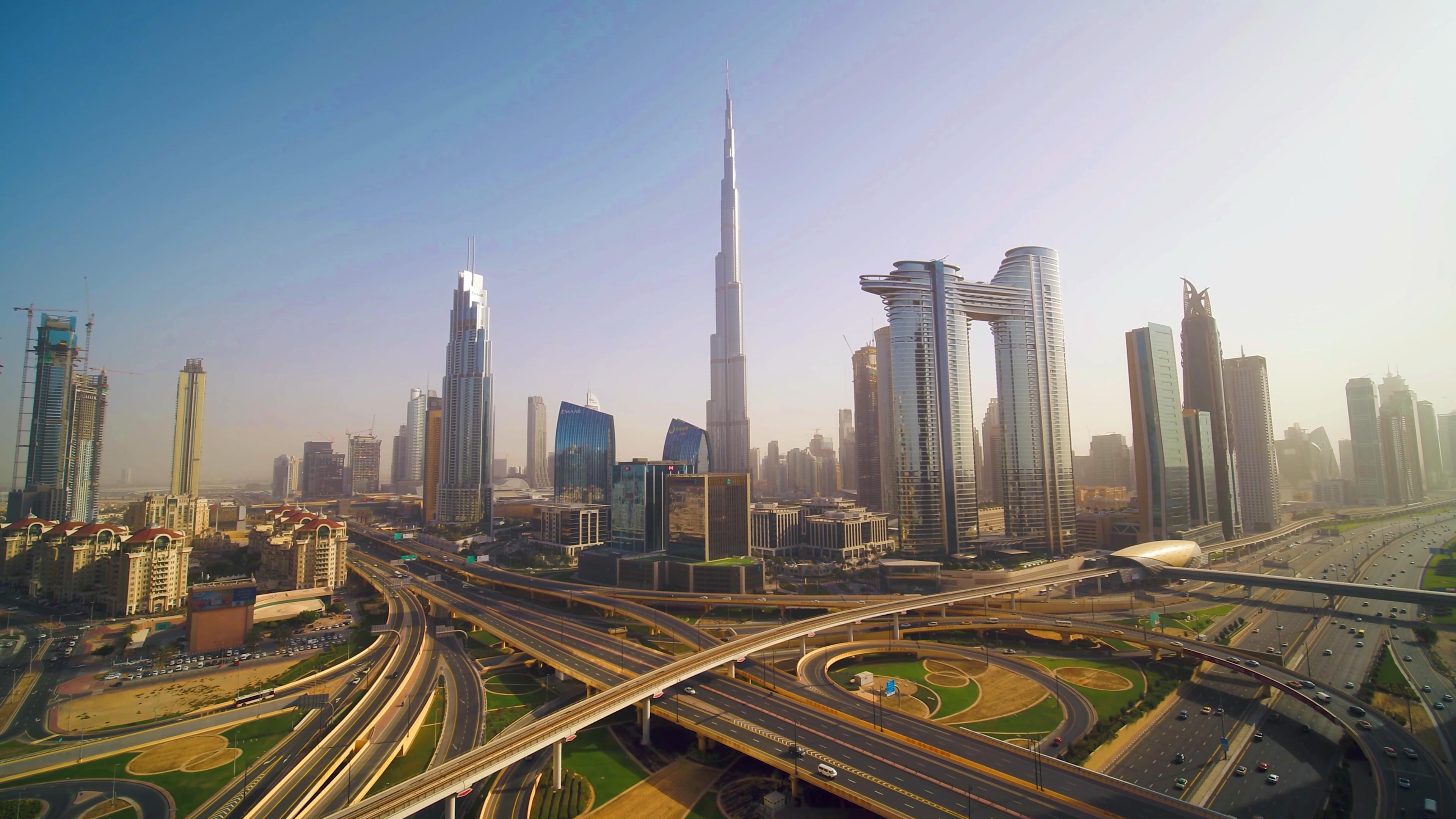
Source: MGVX via Freepik. Dubai skyline. Dubai’s free zones serve as a hub for global trade and innovation.
Source: MGVX via Freepik. Dubai skyline. Dubai’s free zones serve as a hub for global trade and innovation. With sustainability now a key driver of economic growth, MVGX and WFZO’s partnership empowers free zones worldwide to adopt greener, future-ready industrial practices.

The World Free Zones Organization (WFZO), the global body representing 1,600 free zones and industrial parks, has signed an agreement with Alpha Ladder Group subsidiary MVGX Tech (MVGX) to accelerate sustainability adoption across Free Zones worldwide.

Through this collaboration, free zones will gain access to internationally-recognised sustainability frameworks, enabling them to implement robust sustainability management systems and attain the Sustainable Industrial Park (Free Zone) Certification, a benchmark for green industrial park development.

With sustainability becoming a defining factor in investment decisions, supply chain partnerships, and regulatory compliance, free zones that do not embrace sustainability risk falling behind, MGVX said. 

As part of this partnership, MVGX and WFZO will champion the adoption of the Sustainable Industrial Park (Free Zone) Standard (PAS 8848:2024), encouraging WFZO members to integrate structured sustainability practices within their operations. To facilitate this, MVGX will provide capacity-building programmes, consulting services, and hands-on certification support. The initiative will also help Free Zones secure dual certification in ISO 37101 (Sustainable Development in Communities) and PAS IP 8848 (Sustainable Industrial Park Free Zone Standard).

WFZO will take the lead in promoting the Sustainable Industrial Park (Free Zone) Standard across its global network, encouraging free zones to integrate sustainability into their operations. It will organise capacity-building events and workshops, providing free zones with the knowledge and resources needed to participate in the certification process. Additionally, WFZO will serve as the key liaison between MVGX and free zones, ensuring seamless communication and coordination.

MVGX, on the other hand, will drive technical execution by developing specialised training programmes, sustainability assessments, and improvement roadmaps for free zones. It will provide hands-on consulting, guiding free zone teams through gap analyses, sustainability project implementation, and certification preparation. 

Lily Hong, CEO and Co-Founder of MVGX said: “This agreement underscores our shared commitment to sustainability in industrial zones. By leveraging MVGX’s expertise in sustainability consulting and WFZO’s extensive global network, we aim to provide free zones with the necessary tools and guidance to achieve internationally-recognised sustainability certifications. This partnership is a critical step in accelerating the transition to greener industrial practices worldwide.”

“This collaboration marks a significant step toward integrating carbon markets within free zones, enabling enterprises to actively participate in global carbon reduction efforts,” said Dr Samir Hamrouni, CEO, World Free Zones Organization.

“By establishing unified carbon credit standards and digital trading systems, we are fostering a more sustainable and resilient future for free trade zones worldwide.” 

According to the WFZO estimates, there are 2,260 free zones and special economic zones around the world. 

28 September 2022

Sustainable travel now a priority for travellers

Trip.com Group, a global travel service provider, has released its inaugural Sustainable Travel Consumer Report in conjunction with World Tourism Day. The report sheds light on the increased acceptance of sustainable travel and its implications for the travel industry and the wider world.

Across the globe, sustainable travel - both in theory and practice - has moved to the forefront of the decision-making when it comes to travelling, with more than 68% of respondents in Singapore and 90% of respondents in Thailand acknowledging its importance.

Source: Trip.com. Chart showing the difference between Europe and Asia for survey responses..
Source: Trip.com. Despite regional disparities, more and more people are clearly engaging in sustainable travel practices.

A survey of 7,705 respondents across 11 markets in Asia and Europe has shown that the impact of travel tops the list of reasons why travellers are increasingly drawn to sustainable travel. Nearly seven in 10 (69.3%) Singapore respondents, and six in 10 (60.4%) Thailand respondents said they care about the impact of travel on future generations. 

Further, 16.2% in Singapore and 24.6% in Thailand cited the importance of sustainability in improving the travel experience, and another 6.2% in both countries perceived it as trendy.

The report indicates a growing proportion of travellers now approach the term 'sustainability' more wholistically, emphasising the economic, cultural and biodiversity aspects in addition to the more traditional environmental considerations. The more diversified understanding of sustainable travel comes through when it comes to almost four in 10 Singapore respondents (39.4%) recognising the benefit of supporting local businesses and livelihoods. Some 44.7% believe respecting the culture and heritage of local destinations is also part and parcel of sustainable travel.

The report points out that over half of respondents in both Singapore (63%) and Thailand (78.5%) named COVID-19 as a catalyst for their increased appetite for sustainable options. Travel restrictions enhanced their appreciation for nature and spurred demand for travelling closer to home.

Amid heightened sustainability awareness, more than half (59.2%) of respondents demonstrate an inclination to pay a higher price for carbon offsetting to reduce the impact of their travel.

Inadequate visibility of sustainable options poses a significant barrier to their wider adoption. Travellers blame this on the difficulty of accessing information about sustainable travel products, with 21.6% in Singapore and 39.7% in Thailand stating there is a lack of sustainable options and 18.3% in Singapore and over half of the Thai respondents (50.7%) saying these are not clearly labelled.

Accordingly, over 50% of Singapore (59%) and Thailand (57.3%) respondents believe online travel agencies (OTAs) should clearly label sustainable options, followed by 53.6% of Singapore respondents and 43.6% of Thailand respondents who called upon OTAs to make it easier to find these options. Over 70% of respondents from Singapore also suggested OTAs offer incentives to encourage sustainable travel.

While approximately half of travellers in both Singapore and Thailand are open to paying more to include sustainable options in their trips, they display varying levels of price sensitivity to the higher costs it usually entails, with only around 0.5% of Singapore respondents and 7.2% of Thailand respondents willing to pay over 10% of the total price for a sustainable option. The report also shows that 93% of respondents would consider booking via OTAs that provide sustainable options.

Jane Sun, CEO of Trip.com Group, said: "The results reaffirm our vision to educate travellers better and provide a greater volume and variety of reliable, sustainable travel options. Our findings are a clarion call to ourselves as to our allies in the travel sector.

"In the future, we will join hands with partners, travellers and other stakeholders to venture towards a more sustainable world."

Explore

Download the Sustainable Travel Consumer Report 2022 (PDF).

24 September 2022

Salesforce uncovers where Singapore stands on national net zero targets

Salesforce, the customer relationship management (CRM) provider, has released research which found that 85% of managers in Singapore recognise the importance of technology in achieving a net zero target by 2050, with 43% noting that the role of technology would be ‘very important’.

The Trail to Net Zero for Singapore report, which surveyed over 1,000 managers from small, medium and large businesses in Singapore, reveals business sentiments towards the country’s net zero targets, and highlights how cloud technology can help to reduce energy consumption and carbon emissions.

Key findings include:

Cloud migration enables businesses to deliver energy savings and cost efficiencies

With Singapore’s data centre capacity estimated to grow at a CAGR of 8% between 2022 and 2030, businesses can significantly reduce energy consumption and carbon emissions by taking steps such as moving to the cloud. 

A recent study* found that cloud migration will enable businesses to achieve energy savings of 79%. If cloud operators rely on 100% renewable power, Singapore businesses will likely be able to reduce carbon emissions by 19.3 million metric tonnes between 2022-2030, equivalent to greenhouse gas emissions from 4 million passenger cars in Singapore. This in turn results in US$4 billion (approximately S$5.6 billion) in cost savings.

Businesses show strong support for Singapore’s net zero target

Eight in ten (81%) respondents say they support Singapore’s net zero target by 2050. The level of support is even higher (88%) among larger businesses with more than 100 employees. According to the Salesforce report, 83% of managers also support the government’s initiative to provide subsidies and incentives to businesses for the development of renewable energy technologies.

Transition to net zero creates jobs

Managers are three times more likely to think that achieving a net zero economy by 2050 in Singapore will result in more jobs than less jobs (39% compared to 13%).

Businesses are more conscious of emissions across their value chain

Six in 10 (61%) managers surveyed said they are more likely to purchase products or services from supplying businesses with a net zero target.

Addressing climate change requires multi-stakeholder collaboration

Respondents agree that both the government (54%) and businesses in their industry (66%) can continue to do more to tackle climate change.

The report provides a number of policy recommendations to help accelerate Singapore’s trail to net zero. They include:

Source: Salesforce infographic. Six recommendations on how to accelerate Singapore’s trail to net zero.
Source: Salesforce infographic. Recommendations on how to accelerate Singapore’s trail to net zero.

- Developing cutting-edge climate technology

- Increasing investment in cloud

- Addressing the sustainability skills gap

- Using environmental artificial intelligence (AI)

- Enhance international collaboration

- Adopting a shared digital platform to track emissions

Sujith Abraham, Senior VP and GM, Salesforce ASEAN said: “Technology can play a transformative role in climate action. This includes digital platforms and dashboards to help businesses drive better accountability, cloud computing adoption to drive lower carbon emissions, use of environmental AI and other cutting-edge climate innovations.”

Jared Ragland, Senior Director, Policy — APAC at BSA | The Software Alliance said: “BSA and our members are fully committed to contributing to the fight against climate change and are attuned to the responsibility that global companies have to advance sustainability while supporting communities in their efforts to do the same.

"Digital transformation is enabling businesses in all sectors to do everything from reducing energy and water use to reducing the climate impact of the buildings they fill. This Salesforce report shows how important digital tools are toward achieving sustainability goals, in Singapore and around the world.”

Lim Boon Pin, Co-Chair of SGTech's Sustainability Committee said: “The increasing migration to cloud is a major contributing factor to Singapore being home to the highest digital traffic in the Asia Pacific. 

"SGTech supports the shift to cloud and is active in championing dialogue between local data centre players and the government to strive towards decarbonisation of data centres within our shores. As we transit into a greener economy, we need our businesses to embrace the challenges, identify opportunities that come with them and create products and services that solve them.”

Explore

- Read the Trail to Net Zero for Singapore report (PDF)

- View the Trail to Net Zero for Singapore infographic

- Browse the Trail to Net Zero for Singapore YouGov survey (PDF)

*S&P Global Market Intelligence (2021): The Carbon Reduction Opportunity of Moving to the Cloud for APAC (PDF)

4 August 2022

Visa Eco Benefits bring sustainability to every transaction

Visa, the digital payments provider, has launched Visa Eco Benefits in Asia Pacific. Eco Benefits is a suite of sustainability-focused solutions that will help Visa cardholders across the region better understand the environmental impact of their day-to-day payments. They can calculate the carbon footprint generated by their Visa transactions, and access options for carbon offsetting or charitable donations from their bank’s website or app.

Banks in Asia Pacific that sign up for Eco Benefits will be able to offer these solutions to their Visa cardholders and meet a growing demand for sustainable financial services. According to a new Visa/YouGov survey*, 66% of consumers in Asia Pacific expect their bank to offer ecofriendly payment solutions. Over half (52%) would switch banks in order to access a product or service that helps them understand the carbon footprint of their spending.

“The majority (78%) of people in Asia Pacific said they are more likely to make more environmentally friendly purchases if they’re able to see their carbon footprint and take steps to change their spending habits,” said Kunal Chatterjee, Country Manager for Singapore and Brunei.

“Our bank and fintech partners across the region can now add these sustainability features to existing Visa cards. Eco Benefits is another way that Visa is expanding our network beyond payment transactions to deliver more insights to our partners and their customers.”

The following solutions are included in Visa Eco Benefits:

Carbon footprint calculator: insights powered by Verrency for cardholders to understand the estimated carbon footprint generated by their purchases

Carbon offsets: cardholders can elect to offset their carbon footprint from a range of specially curated projects in areas such as forestry and clean energy

Charitable contributions: donations to environmental organisations can be triggered when Visa cards are used

Card materials: physical payment cards made from sustainable materials

Personalised education: cardholders can access personalised tips and education on sustainable consumption

“Consumer household expenditure - the products and services we purchase every day - is a major contributor of global greenhouse gas emissions**,” said Jeroen van Son, global CEO of Verrency. “That gives us as consumers a phenomenal opportunity to address climate change by offsetting the carbon footprint of our day-to-day behaviour and start to live a carbon neutral life. Up until now, customers did not have any convenient tools to take decisive action to offset their carbon footprint. Verrency’s Carbon Action Index changes that. From now on, consumers can choose to live a carbon neutral life, just by using their Visa card as they do today.”

Visa Eco Benefits is a continuation of Visa’s global aspiration to be a climate positive company, using its products, services, data, network and brand to drive sustainable commerce and support the transition to a low-carbon economy. In 2021, Visa announced a pledge to reach net-zero emissions by 2040, 10 years ahead of the Paris Climate Agreement goal.

*All figures, unless otherwise stated, are from YouGov Singapore. Total sample size was 14,356 adults across 14 markets. Fieldwork was undertaken between 23 June – 5 July 2022. The survey was carried out online. The figures have been weighted and are representative of all adults (aged 18+) nationally in each of the respective markets. The figures have been weighted and are representative of all adults (aged 18+) nationally in each of the respective markets. The survey was conducted in the following markets: Vietnam, Thailand, Singapore, Philippines, Malaysia, New Zealand, Australia, mainland China, Indonesia, Hong Kong, India, Korea, Japan and Taiwan. 

**Columbia Climate School, How Buying Stuff Drives Climate Change, December 2020.

27 June 2022

Commonwealth adopts Living Lands Charter, launches Blue Charter project incubator

Commonwealth leaders have officially adopted the Living Lands Charter: A Commonwealth Call to action on Living Lands (CALL), which commits all 54 member countries to safeguarding global land resources while taking coordinated action on climate change, biodiversity loss and sustainable land management.

The non-binding agreement was announced today at the conclusion of the 2022 Commonwealth Heads of Government Meeting in Kigali, Rwanda, along with the final communiqué. It is the culmination of nearly two years of intense consultation, engagement and negotiation with member countries, United Nations Rio Conventions, and other relevant stakeholders.

Applauding the initiative, the Commonwealth Secretary-General, the Rt Hon Patricia Scotland QC, said: “The Living Lands Charter is a testament to our commitment to the people of the Commonwealth, and to the Commonwealth principles of transparency, consensus, and common action.

"It helps to encapsulate our combined effort to hold the global average temperature increase to 1.5°C. It seeks to catalyse the global political momentum for enhancing climate action, building resilience, reducing biodiversity loss, and arresting land degradation.

“Our Call to Action on Living Lands seeks to propel sustainable land management by supporting the 54 Commonwealth member countries to prevent biodiversity loss and desertification while reducing emissions, enhancing resilience and promoting sustainable development.”

The Living Lands Charter recognises that the vulnerabilities of our ecosystems to land degradation, biodiversity loss and climate change are closely interrelated and need to be considered collectively. It seeks to strengthen synergies and coordinated action at national, regional and global levels, of relevant actions under the three Rio Conventions — namely, the United Nations Convention on Biological Diversity (UNCBD); the United Nations Convention to Combat Desertification (UNCCD), and the United Nations Framework Convention on Climate Change (UNFCCC). The Secretariats for the three Rio Conventions have expressed their full support for the charter.

Heads recognised the need of taking a principled approach to the Living Lands Charter and active cooperation with a range of partners to share knowledge, expertise, success stories, and good practices in sustainable land management, while incentivising investment flows and technological innovation.

They also underlined the critical guardianship provided by indigenous peoples and local communities in protecting land and vital ecosystem services, and recognised the land and resource rights of these communities, in accordance with national law and international instruments.

All countries agreed to voluntarily dedicate a ‘Living Land’ in their respective country to the future generations, in line with the Strategy set for the UN Decade on Ecosystem Restoration.

An implementation plan for the charter will be developed and presented to members.

Source: CHOGM. Commonwealth adopts historic Living Lands Charter.

A separate initiative was launched the same day (June 25) to support Commonwealth ocean states in cultivating and scaling up projects that protect the marine environment while also tackling climate change.

With 47 out of 54 Commonwealth countries bordering the sea - including 25 small island developing states or ‘large ocean states’ - the Commonwealth Blue Charter Project Incubator will assist governments in developing pilot projects that accelerate their transition to sustainable and inclusive maritime development and conservation, while mitigating and adapting to climate change.

The initiative is supported by an initial contribution from the Commonwealth Fund for Technical Cooperation, with matching commitments from various partners – currently amounting to £400,000, with more expected in the coming year. Focusing on proof-of-concept and small-scale projects in particular, the incubator will be managed by the Commonwealth Secretariat, in close cooperation with member countries and Commonwealth Blue Charter Action Groups.

The project aims to address the dearth of financial support for ocean action worldwide, with Sustainable Development Goal 14 (Life under water) receiving the least funding globally among all the SDGs. Small island and coastal states are particularly affected, with even fewer funding options for typically marginalised groups, including women, youth, indigenous peoples and local communities.

Deputy Secretary-General of the Commonwealth, Dr Arjoon Suddhoo, said: “Commonwealth member nations are stewards of more than one third of the global ocean within national jurisdictions. Our island states have many times more ocean area than land… The pandemic over the past year has underlined how mutually reliant we all are upon one another. We now know that decisive joined-up, cooperative, multilateral actions are the only way to tackle global ocean challenges. There is no doubt that we need to redouble our efforts.”

Head of Oceans and Natural Resources at the Commonwealth Secretariat, Dr Nicholas Hardman-Mountford added: “The ocean sustains the lives and livelihoods of billions on this planet but its core life-support functions are critically threatened by climate change, pollution and unsustainable exploitation. Yet, the ocean continues to be eclipsed in climate financing discussions. SDG 14 is the least funded of any of the sustainable development goals. For ocean investments to be sustainable Governments need to be supported to lead on the projects they know are most needed in their context. The Blue Charter Project Incubator will uniquely enable governments to develop a pipeline of bankable projects to mobilise ocean financing where it is needed the most.”

Ocean Governance Adviser and Blue Charter programme lead, Dr Jeff Ardron noted: “There are many very good ocean incubators out there already, but none address the needs of governments. The Blue Charter Project Incubator fills that critical gap.”

All Commonwealth member countries will have access to the project incubator. Among the many services it offers, the incubator will provide mentoring and technical support to governments on the development of ocean-related pilot projects that build social, ecological and climate resilience, while also facilitating project partnerships with non-governmental entities. It will review proposals, leverage seed funding for projects and encourage planning for sustainability and scaling up initiatives, including at the regional level. Support will also be provided through unique customised tools, including machine learning.

Project ideas that ‘dare to be different’, offering innovative and cooperative solutions, while also engaging women, youth, indigenous peoples and local communities, will receive particular attention.

This new initiative continues the significant track record of practical solutions delivered by the Commonwealth Secretariat under the Commonwealth Blue Charter – an agreement by all 54 countries made in 2018 to work collaboratively to address global ocean challenges. It is implemented by 10 action groups, led by 16 champion countries.

Over the past four years, more than 450 officials from 40 countries have been trained in 10 topic areas. Members have benefited from 13 online learning courses and 15 resource toolkits on various themes, such as mangrove restoration and blue carbon, or carbon sequestered by ocean and coastal systems.

In addition, more than 60 case studies illustrating good and best practices have been published by the Secretariat and shared to Commonwealth member states. An online database of more than 200 online training opportunities, and another database of more than 100 marine funding opportunities have been launched.

The long-term goal of the Commonwealth Blue Charter is to build on its track record of supporting countries through capacity-building, towards small-scale project development and eventually mainstream impact, with enhanced financial support via a potential dedicated ‘action fund’.

The Living Lands Charter was released alongside a final wide-ranging communiqué by leaders, including on specific items on climate change.

In the communiqué, heads underscored that the “urgent threat of climate change” exacerbates existing vulnerabilities and presents a significant threat to COVID-19 recovery efforts. Developing countries, least developed countries and small island developing states were particularly at risk of their development gains being reversed.

Heads renewed their commitment under the Paris Agreement to keep the rise in global average temperature to well below 2 degrees Celsius above pre-industrial levels and to pursue efforts to limit the temperature increase to 1.5 degrees Celsius, also reflecting the Glasgow Climate Pact.

Leaders recognised that this requires “rapid, deep and sustained reductions in global greenhouse gas emissions”, including reducing global carbon dioxide emissions by 45% by 2030 relative to the 2010 level and to net-zero around mid-century, as well as deep reductions in other greenhouse gasses. They further recognised that enhanced support for developing country parties will allow for higher ambition in their actions.

Leaders deeply regretted that the goal of developed country parties to jointly mobilise US$100 billion per year by 2020 had not yet been met. They called on developed countries to fully deliver on the US$100 billion goal urgently and through to 2025 and emphasised the importance of transparency in the implementation of their pledges. They welcomed the increased pledges made to date, including through the Climate Finance Delivery Plan: Meeting the US$100 Billion Goal.

Heads recognised the role of the Commonwealth Climate Finance Access Hub in assisting developing country members with human and institutional capacity to mobilise climate finance for enhanced climate action, including through the development of bankable projects and robust climate policies, amongst other support.
25 June 2021

Mandarin Oriental Hotel Group sees nearly 70% cut in annual plastic footprint

The Mandarin Oriental Hotel Group (MOHG) pledge to eliminate all single-use plastic (SUP) across its portfolio of luxury hotels by end-March 2021 has encountered a delay due to slower-than-expected utilisation of existing SUP supplies due to low business levels. The group said the pandemic has led to temporary hotel closures and low occupancies, thereby slowing the depletion of existing stocks of plastic products by up to 12 months in some markets.

Source: MOHG. A We Care package for guests with a city skyline in the background.
Source: MOHG. We Care packages for guests feature reusable fabric masks that are plastic-free.

By the end of Q121, the group has achieved a nearly 70% reduction in its annual plastic footprint. Based on estimated plastic stock depletion timelines and supplier delivery commitments, it is expected that all hotels will eliminate SUP by the end of Q122, avoiding 930 tonnes of plastic waste each year.

SUP is being eliminated across all areas of the hotels, including rooms, spa, transport, restaurants and bars as well as in back-of-house areas not seen by guests, such as offices, colleague areas and kitchens. To help colleagues work through their efforts to eliminate SUP, the most common SUP items were identified across the three main operational departments: F&B, spas and rooms. Of these, six high-impact items accounted for 81% of the annual SUP waste generated:

- Garbage bags (294 tonnes per year)

- Water bottles (7.7 million bottles per year)

- Slippers (816,000 pairs per year)

- Vacuum bags for food (88 tonnes per year)

- Cling film (80 tonnes per year)

- Amenities - shampoo, conditioner and shower gel (4.9 million bottles per year)

The Group continues to focus on eliminating SUP where feasible. For example, We Care packages for guests include reusable fabric facemasks that are plastic-free, but made exceptions for toothbrush bristles and hygiene seals for F&B items such as beverages or candy jars. MOHG is also working with suppliers to reach its goals.

“Although our ambitious timeline to eliminate all single-use plastic from our premises by the end of March 2021 has been deferred by one year, largely as a consequence of the pandemic, we have made massive progress, with a majority of our hotels expected to reach the elimination goal by the end of July this year,” said James Riley, Group Chief Executive.

The Group will issue another progress update in Q421.

23 June 2021

Grab a ride, grab a carbon offset

Grab users will soon be able to reduce their carbon footprint when travelling with Grab through a carbon offset feature integrated within the Grab app.

Source: Grab. Screen on a mobile app explaining the carbon offset feature.
Source: Grab.
Explaining the carbon
offset feature.
In a survey, 82% of Grab users across six Southeast Asian countries said they were concerned about climate change and were taking some actions to reduce their carbon footprint1. Among those who were concerned about climate change but did not take action, 44% said they did not know how, and 31% felt it was too difficult to take action.

Grab’s new carbon offset feature, to be launched in Indonesia, Malaysia and Thailand in July before rolling out to the rest of the region, will let consumers purchase carbon offsets at less than US$0.10 per ride. The amount will go towards reforestation and conservation projects managed by local non-governmental organisations.

In Indonesia, Thailand, and Malaysia, Grab has partnered with EcoMatcher to work with a list of vetted foundations and NGOs to plant trees. Users in these countries will receive a dedicated tree when they have completed a designated number of carbon-neutral rides. The trees will be planted in GrabForGood Forests, dedicated spaces for Grab’s tree-planting initiative under the carbon offset programme.

Through EcoMatcher, Grab users will be able to virtually travel to their trees, name their trees, view photos of their newly-planted trees, and learn more about the farmers who planted their trees. In addition, Grab users in Indonesia, Singapore, Malaysia and Vietnam and the Philippines can also plant a tree through EcoMatcher using their GrabRewards points from the end of June.

“Over the years, we have taken steps to reduce our environmental footprint, such as investing over US$200 million to build up the number of electric vehicles and hybrids in our car rental fleet inSingapore, as well as saving close to 380 million sets of single-use plastic cutlery from being used in 2020. 

"However, there is still a lot of work to be done to get us to a net-zero carbon future. Our new carbon offset feature is another important step in reducing our carbon footprint, while contributing towards environmental conservation projects that uplift local communities,” said Cheryl Goh, Group Head of Marketing and Sustainability, Grab.

The initiative is outlined in Grab's first annual Environment, Social and Governance (ESG) report, which outlines the company’s commitment to create socioeconomic empowerment and safeguard the environment while delivering strong financial performance.

“The health of our business is intrinsically linked to the welfare of our communities and the protection of our environment. In order for our business to grow and succeed in the long run, we must work towards building thriving communities where our partners have sustainable income opportunities, while protecting our environment for generations to come. 

"Our first ESG Report reflects our commitment to build a business with a double bottom line, while ensuring transparency and accountability to our stakeholders,” said Anthony Tan, Group CEO and Co-Founder of Grab.

1 According to a regional survey of 8,910 Grab users conducted in March 2021, across Indonesia, Singapore, Malaysia, Thailand, the Philippines and Vietnam.

6 June 2021

Bee'ah and Chinook Sciences announces first waste-to-hydrogen project in Middle East

Building on its commitment to zero-waste cities and clean energy solutions, Bee'ah, a sustainability specialist, announced that it will be pursuing plans for the region's first waste-to-hydrogen project in the UAE.

Source: PRNewsfoto/Chinook Sciences, Bee’ah. Chinook Sciences Chairman and CEO, Dr Rifat Chalabi (seated in the front left), and HE Salim Al Owais (seated in the front right), Chairman of Bee'ah. Senior officials from both entities stand behind them..
Source: PRNewsfoto/Chinook Sciences, Bee’ah. During a visit by Chinook Sciences Chairman and CEO, Dr Rifat Chalabi (front left), the evolution of the plans to a waste-to-hydrogen project was agreed during a signing ceremony in the presence of HE Salim Al Owais (front right), Chairman of Bee'ah, and a delegation of senior officials from both entities.

The project includes a green hydrogen generation plant and a hydrogen vehicle fuelling station, in collaboration with UK-based Chinook Sciences, an industrial, renewable fuel and environmental technology company.

During a visit by Chinook Sciences Chairman and CEO, Dr Rifat Chalabi, the evolution of the plans to a waste-to-hydrogen project was agreed during a signing ceremony in the presence of HE Salim Al Owais, Chairman of Bee'ah, and a delegation of senior officials from both entities. The waste-to-hydrogen plant will be adjacent to the fuelling station, overcoming the challenges of costly transportation of hydrogen. The waste-to-hydrogen plant will take in non-recyclable plastic waste and waste wood, generating green hydrogen that is fed to the fuelling station to power hydrogen vehicles.

HE Salim said: "Green hydrogen will be a vital pillar of our future energy landscape and Bee'ah has been looking into this market for some time now with Chinook in alignment with our long-term strategy to develop new, sustainable energy solutions. As a sustainability leader, Bee'ah is keen to further support the UAE in its hydrogen economy ambitions, energy diversification and decarbonisation efforts."

HE Khaled Al Huraimel, Group CEO of Bee'ah, which is operational in the UAE, KSA and Egypt, said: "As a waste management leader in the Middle East, we are proud to pursue the first waste-to-hydrogen solution in the region. This project will showcase the potential of waste-to-hydrogen. Bee'ah has always recognised the value of energy recovery from waste and through this new project, we aim to support a circular economy across multiple fronts throughout the region."

Dr Rifat, Chairman and CEO of Chinook Sciences said: "We are very excited to use Chinook Sciences' patented RODECS gasification and pyrolysis technology in the UAE, which breaks down hydrocarbons from waste through advanced thermal treatment to release and recover green hydrogen. When the green hydrogen is used in vehicles, it emits only water and no carbon emissions."

"Through the use of Chinook's RODECS technology, the cost of green hydrogen from the plant shall be very competitive and has the potential to be equal to or even less than the cost of diesel and gasoline. At maximum production capacity, the plant shall be capable of fuelling 1,000 hydrogen-powered large vehicles per day," said Dr Rifat.

The UAE has previously announced its aim to become a major hydrogen producer, and to reduce carbon emissions by 24% by 2030. Plans include investment in green hydrogen, which is produced using renewable energy like solar power as well as using carbon-capture technologies to create what is known as blue hydrogen.

22 April 2021

Over 15% of plastic production to be of sustainable plastics by 2030

In a new report, The Sustainable Plastics Roadmap: Recycling, Bioplastics, and Alternatives, Lux Research forecasts that we have a long way to go towards sustainable plastics. 

Lux’s report explores the combined impact of new technologies and approaches on the six major commodity plastics – polyethylene terephthalate (PET), high-density polypropylene (HDPE), polyvinyl chloride (PVC), low-density polyethylene (LDPE), polypropylene (PP), and polystyrene (PS) – focusing on the impact of four major types of threats to conventional plastics production: recycling, bio-based polymers, legislation, and alternative materials like paper and metal.

“A combination of negative consumer sentiment about plastics, regulation, and a global focus on sustainability have combined to push the issue of plastics sustainability to the fore,” explained Anthony Schiavo, Research Director at Lux. 

“In 2030, 15% of plastics will be sustainable, fuelled primarily by a tripling of global plastics recycling along with strong regulatory action that bans the most problematic types of plastic products. Chemicals companies will face stagnating demand for oil-derived plastics – even including pyrolysis oil – and must invest in recycling to find growth in the plastics space.”

Lux’s initial modelling effort focused on four scenarios highlighting regional differences in policy and infrastructure. 

“Even in our most aggressive case, there are major unresolved issues with plastics sustainability,” noted Schiavo. “In the likely case, we expect most groups to miss plastics sustainability goals despite making major strides on recycling and alternatives. 

"In addition, the gaps between different types of plastic will grow: The global PET recycling rate could reach as high as 60%, but we expect very little progress in direct PP or PS recycling. Major practical challenges – like the difficulty of waste collection and sorting and the unprofitability of pyrolysis – will still remain in 2030. 

"Companies that move quickly to build their own sustainable supply chains will find success, while those that wait for the ecosystem to fix these problems will be left behind.”

24 March 2021

Razer pledges to go recyclable

Box showing a list of Razer's sustainability commitments on the inside cover.
Source: Razer. Razer announces sustainability initiatives.

Having reviewed its products, packaging, and operations, Razer said that it will ensure that all products will be recyclable by 2025.

This includes the disposal and recycling of Razer products by both customers and global distributors. Razer encourages customers to return their old Razer peripherals to any RazerStore worldwide for free-of-charge recycling.

Razer will also implement strict waste disposal procedures across global offices and repair centres, and commits to using recycled or recyclable materials for all products by year 2030. Hardware made by the brand will incorporate PCR plastics and have ecofriendly designs, including FSC-certified, biodegradable packaging.

Details:

Read up on Razer’s Green Products initiative.

Hashtag: #GoGreenWithRazer

30 December 2020

Canopy Power turns Southeast Asia greener in 2020

Source: Canopy Power. An aerial view of solar panels on the roof of a beachfront pavilion at Batu Batu resort, part of a project by Canopy Power.
Source: Canopy Power. Solar panels installed on the roof of a beachfront pavilion at Batu Batu resort, part of a project by Canopy Power.

Canopy Power has reported a number of achievements in the Asia Pacific region despite the economic slowdown in 2020.

A renewable energy microgrid for off-grid sustainable island resort Batu Batu was completed in Q320. Located on an island 16 km off the town of Mersing on the East coast of Malaysia, the 22-villa resort is now able to reduce carbon emissions and diesel dependency with the microgrid producing around 216 MWh of renewable electricity annually.

As the engineering, procurement and construction (EPC) partner, Canopy Power is developing with Total Solar Distributed Generation a solar and battery energy storage microgrid on the island of Koh Rong Sanloem in Sihanoukville, Cambodia. 

The microgrid is designed to deliver electricity to the island – home to over 60 hotels, resorts and guest houses currently relying on diesel for electricity – with a renewable energy contribution of over 50%. Estimated to reduce islandwide diesel consumption by over 600,000 litres per year, the project will be one of Southeast Asia’s largest off-grid renewable energy microgrids. Work is ongoing, with completion expected to be in Q221.

Canopy Power has also developed a pipeline of non-hospitality projects this year. This includes food and beverage (F&B) customers in Cambodia and Indonesia, schools in Cambodia, a mine in Indonesia and commercial properties in the Philippines.

“In general, 2020 has been a challenging year for all of us. However, we are experiencing surge in awareness within individuals and corporations towards sustainability. This is a good sign for the next year and the years to come. Canopy Power is well set to help our customers and partners to make an impact in coming months. In 2021, our focus will be on expanding our geographical reach and providing novel technical and financial solutions to increase the uptake of renewable energy microgrids in Southeast Asia,” said Sujay Malve, founder and CEO of Canopy Power.

21 October 2020

Priceless Planet Coalition expands

Mastercard has welcomed new global coalition partners to the Priceless Planet Coalition, as well as environmental experts to the newly-announced Advisory Committee.

New partners based in the Asia Pacific and Middle East (APME) include: Australia's Archa, Emirates NBD, Expo 2020 Dubai, Frank Green of Australia, UAE-headquartered payments solution provider Network International, and Australian fintech 1derful join existing coalition members from the US and UK. New partners HSBC and Scotiabank have a significant presence in APME, while another new partner, payment solutions provider EedenBull, has Asia-Pacific headquarters in Singapore.

Launched in January 2020, the Priceless Planet Coalition unites the efforts of consumers, financial institutions, merchants and cities to fight climate change through the restoration of 100 million trees over five years – together with climate science and forest restoration experts Conservation International (CI) and World Resources Institute (WRI). Coalition partners in multiple regions are launching campaigns to enlist consumers in environmental action and reforestation efforts with innovative donation technologies.

“Mastercard is committed to building a more inclusive and sustainable digital economy, where people, communities and the planet can thrive. Through the Priceless Planet Coalition, we are empowering our global network of partners and consumers – who share our commitment to being a force for good in the world – to unite in action and create exponential impact for the environment,” said Jorn Lambert, Chief Digital Officer, Mastercard.

“We continue to embed sustainability into the very fabric of our business – including our digital product strategy – as more consumers look to change their behaviour and make mindful spending choices that are better for the planet.”

A new Advisory Committee will support the development of the Priceless Planet Coalition’s work. Committee members will use the latest scientific research and data to ensure that the Priceless Planet Coalition makes the greatest positive impact on both the climate globally and on local communities.

Core to the Priceless Planet Coalition’s mission is empowering and inspiring consumers to take action against climate change. The Priceless Planet Coalition aims to reinforce a restoration model that’s not only focused on planting trees, but on regrowing forests in geographies with the greatest need and most potential for a positive climate, community and biodiversity impact. 

Guided by CI, WRI, and its new Advisory Committee, the Coalition plans to use rigorous science-based best practices to identify three restoration locations for 2021 in Kenya, Brazil and Australia. Beyond these initial projects, the project portfolio will be expanded to include other locations that meet established criteria.

Mastercard continues to develop environmentally-conscious solutions that enable more people to embrace a sustainable lifestyle through their spending choices:

- A collaboration with the Swedish fintech startup and new coalition partner Doconomy enables people to track, understand and take accountability of their environmental footprint through digital tools that set a new standard for purpose-driven payment solutions.

- For people interested in contributing to reforestation projects and other environmental causes, a Mastercard donation platform and soon-to-be-available mobile app enable direct donations to the reforestation partners of the Priceless Planet Coalition and round up everyday purchases.

- Mastercard also offers a widget, a web API that can facilitate banks and merchants to enable cardholder donations in diverse points of the consumer journey.

- Mastercard is also embedding the coalition into loyalty programmes run on behalf of issuers and merchants. For example, the company will enable cardholders to redeem reward points for trees through their gift catalogue and in real time through Mastercard Pay with Rewards.

- To enable issuers to offer cards made from more sustainable materials, Mastercard recently launched the Sustainable Materials Directory, encouraging wider adoption of certified eco-friendly solutions. Mastercard has approved 34 different sustainable card products to date, which have been issued by more than 60 financial institutions.

- Mastercard continues to target the reduction of first-use polyvinyl chloride (PVC) and to research alternative materials for cards, including recyclable, bio-sourced and biodegradable material in collaboration with leading vendors through its leadership of the Greener Payments Partnership (GPP).

Earlier this year, Mastercard was the first in the payments industry to receive approval from the Science Based Targets initiative (SBTi) for an updated emissions target, which aligns to a 1.5-degree Celsius climate trajectory. The company also joined RE100, formalising a commitment to continue using 100% renewable energy across all of its global operations.

Hashtag: #pricelessplanet

21 May 2020

Call for submissions: the Zayed Sustainability Prize

Zayed Sustainability Prize, UAE's pioneering global award for sustainability, invites innovators from around the world to submit entries for the 13th edition of the award. Winners of each category will receive US$600,000 to further implement their sustainability solutions to transform lives around the world.

HE Dr Sultan Ahmed Al Jaber, UAE Minister of State and Director General of the Zayed Sustainability Prize says: “With a 12-year record of recognising and rewarding excellent solutions, we are confident the Prize will continue to attract more of the world’s most dedicated innovators to submit their entries, in support of resolving the world’s most pressing sustainability challenges.”

“Inspired by Sheikh Zayed’s legacy of commitment to global sustainability and humanitarianism, the Prize also aligns with the emphasis our leadership has given this year to planning, preparing and finding solutions for the next 50 years,” he added.

Accepting entries until 11 June 2020 via its online portal, the Prize received a record 2,373 entries from 129 countries last year. There are five categories – Health, Food, Energy, Water and Global High Schools, with innovative solutions in sustainable and humanitarian development recognised across these sectors.

The Prize’s US$3 million annual fund rewards winners US$600,000 in each category. While the scope of the submissions vary, core elements of each entry lie in the innovative ways in which technology, applications and solutions are driving positive transformations of people’s lives.

For the Health, Food, Energy and Water categories, organisations should demonstrate that they are improving access to essential products or services and have a long-term vision for improved living and working conditions. Only small and medium enterprises (SMEs) or non-profit organisations (NPOs) are eligible to take part in these categories.

The Prize has named 86 winners in its history. One of them is water management company, ECOSOFTT, which became the first organisation from Singapore to receive the award when it won the Water category in 2019. ECOSOFTT’s technologies enable water sustainability through total management of the water cycle for living communities, including townships, homes, commercial buildings and villages.

Prior to winning, over 50 projects in five countries gave more than 500,000 people access to clean water. The prize money has allowed the company to reach even more communities. Marcus Lim, Co-Founder and MD at ECOSOFTT, said, “The Zayed Sustainability Prize has gained a reputation for recognising leading sustainability solutions globally. Winning the Prize was an important recognition of our unique and innovative approach to address the challenges communities face on account of water shortage, scarcity and quality.

"It has also helped us to connect with a global network of influencers and innovators that are working towards the Sustainable Development Goals."

This year, the Zayed Sustainability Prize also opens up nominations for potential candidates with its #FindThePioneer campaign – to recognise pioneers who are changing lives in any of the five competition categories. Nominations can be made by tagging the organisation or school in a social media post with the campaign hashtag #FindThePioneer, or emailing the nomination to press@affluencepr.media.
Winners of the Zayed Sustainability Prize 2021 will be announced at the annual awards ceremony held during Abu Dhabi Sustainability Week in January 2021.

14 May 2020

Submissions are open for the 2020 Global Corporate Sustainability Awards

Source: GCSA organisers. GCSA winners for 2019 at the GCSF in 2019.

Companies with an outstanding commitment to sustainable development are invited to enter the 2020 Global Corporate Sustainability Awards (GCSA).

2020 GCSA is hosted by the Alliance for Sustainable Development Goals (A•SDGs), co-organised by Taiwan Academy of Corporate Sustainability (TACS), Taiwan Institute for Sustainable Energy (TAISE), and Center for Corporate Sustainability (CCS). The awards embrace the United Nations’ Sustainable Development Goals (SDGs) outlined in the UN’s 2030 agenda.

GCSA has four key objectives:

- Promoting corporate sustainability principles and SDG practices.

- Recognising corporate efforts toward sustainable development.

 - Honouring companies that provide complete disclosure of economic, environmental, social and governmental performance and clearly communicate sustainability performance and impacts through sustainability reporting.
 
- Encouraging individuals who contribute to positive impacts and accomplish outstanding successes in sustainability.

GCSA offers awards and recognition in three major categories: Outstanding Professional, Sustainability Reporting, and Best Practice.

GCSA-Outstanding Professional highlights exemplary individuals who have made outstanding contributions to sustainable development within their respective organisations. Individuals can be nominated for this award by government agencies, corporations, or academic organisations.

GCSA-Sustainability Reporting rewards those corporations that disclose information in their corporate social responsibility reports that is complete, reliable, and transparent.

GCSA-Best Practice recognises outstanding performance in sustainable development business practices and projects.


Past winners have included Hewlett Packard Enterprise (HPE) from the US, Siemens from Germany, ASUSTeK from Taiwan, GSB from Thailand, Vale Indonesia and JANAJAL from India.

Details:

Registration is currently open and closes on 10 August 2020. The results will be announced on 4 October 2020. The awards ceremony is planned for 18 November 2020 during the 3rd Global Corporate Sustainability Forum (GCSF) in Taipei, Taiwan.

13 January 2020

Sustainable red packets a trend for 2020?

Source: Singtel. Orange/bottle carrier (left) with sustainable
hongbaos middle and right.
Singtel’s red packet (hongbao) design for 2020 is all about sustainability. The company has decided to go with zero-tree paper.

The packets, traditionally made of paper, are made from sugarcane stalks which have had the juice extracted.

There are two designs. One features the character 欣, which means 'happiness and prosperity', while the other has a Chinese couplet, 竞发无极添新彩, 欣荣丰盛增辉煌. This means 'delight, happiness, progress with superior competitive advantage, bursting with exciting changes and new opportunities'.

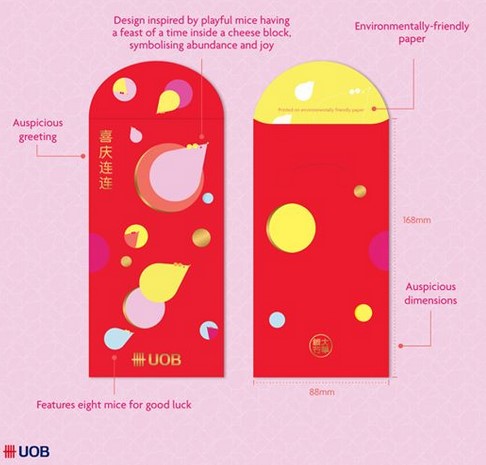
UOB has also announced a sustainable hongbao. The bank's hongbao this year are zodiac-inspired, and environmentally-friendly, with auspicious dimensions.

Source: UOB Facebook ad. Graphic showing the auspicious
dimensions of the hongbao.

Hashtags: #UOBCNY, #UOBforSustainability

12 September 2019

Fairmont Maldives Sirru Fen Fushi Coralarium gets new sculptures

Fairmont Maldives Sirru Fen Fushi has unveiled new sculptures within the Coralarium - the Maldives’ first and only coral regeneration project in the form of an underwater art installation. Today, the Coralarium structure and the sculptures within act as an artificial reef, encouraging local marine life to make it a home.

Conceptualised by British environmentalist and eco-artist Jason deCaires Taylor, the abstract sculptures are inspired by the natural beauty of the coral reef and have been designed to imitate coral colonies. Ten semi-submerged plinths up to 5 m tall aim to raise awareness of the threatened ecosystem, educate guests about the underwater world and rehabilitate the reef.

Taylor’s works are now an integral part of the local ecosystem, created with non-toxic, marine-grade compounds, free from harmful pollutants. Each tessellated sculpture is constructed from more than 500 ceramic ‘starfish’ that have been designed to attract a variety of fish and crustaceans. The hard shells catch and hold biomass, or ‘fish food’, which encourage coral larvae to attach and thrive. Nooks and dark cubbyholes in the structures provide a hiding place for a variety of fish and shellfish.
 
Source: Accor. The Fairmont Maldives Sirru Fen Fushi Coralarium.

Guests can explore the sculptures and the aquatic life that dwells amongst them accompanied by a resident marine biologist, or as part of the property’s specially-curated evening snorkelling tours. Strategically placed to lead snorkellers into various ‘zones’ in the Coralarium, the sculptures can be explored from a coral pathway that leads from the 200 m  infinity pool at the heart of the island – the longest in the Maldives.

Diving adventures and snorkelling sessions with the marine biologist showcase Fairmont Maldives’ best diving spots, right at the five-mile-long house reef, home to many manta ray cleaning stations. Those inspired by Taylor’s installation can even create their own marine-inspired masterpiece in the on-site art studio, or plant coral which they can revisit in the future.

Situated in the largest resort lagoon in the Maldives, Fairmont Maldives Sirru Fen Fushi plays home to an abundance of marine life, from manta rays and turtles to bottlenose dolphins and over 250 species of tropical fish. The steel Coralarium structure was inundated with hard corals, sponges and schooling fish when it was installed in 2018. Its walls are perforated with a coral pattern to allow beams of light to illuminate the sculptures.

Having opened its doors in May 2018, Fairmont Maldives Sirru Fen Fushi is an island paradise dedicated to educating the next generation of ecoconscious travellers. With the coral regeneration project, educational exploration of the coral reef, in-house marine biologists, a water distillery and, in early 2020, the installation of solar panels, the resort strives to protect and restore the wellbeing of local ecosystems.

For close to 30 years, Fairmont Hotels & Resorts has been committed to proactively protecting local environments through its Fairmont Sustainability Partnership, now part of Accor’s Planet21 programme.  Ongoing global initiatives include reductions in energy and water consumption, waste generation and carbon emissions; sustainable practices related to design; proactive construction and procurement policies; conservation efforts in support of bee species and other wildlife; and community outreach through local groups and partnerships.

1 August 2019

IHG to do away with toiletry miniatures as bathroom amenities

Source: IHG. A shower with sink showing miniatures as amenities.


IHG (InterContinental Hotels Group) is moving from miniature toiletries to bulk-sized bathroom amenities for its entire hotel estate of almost 843,000 guest rooms, with the transition to be completed during 2021. Building on its efforts to reduce plastic waste as part of a broader sustainability agenda, this pledge makes IHG the first global hotel company to commit all brands to removing bathroom miniatures in favour of bulk-size amenities.

Keith Barr, CEO, IHG, commented: “It’s more important than ever that companies challenge themselves to operate responsibly – we know it’s what our guests, owners, colleagues, investors and suppliers rightly expect. Switching to larger-size amenities across more than 5,600 hotels around the world is a big step in the right direction and will allow us to significantly reduce our waste footprint and environmental impact as we make the change.

“We’ve already made great strides in this area, with almost a third of our estate already adopting the change and we’re proud to lead our industry by making this a brand standard for every single IHG hotel. We’re passionate about sustainability and we’ll continue to explore ways to make a positive difference to the environment and our local communities.”

IHG currently has an average of 200 million bathroom miniatures in use across its entire hotel estate every year. As the new brand standard is adopted between now and 2021, the company expects to see a significant reduction in plastic waste. This commitment builds on a number of waste reduction initiatives already in place.


Switching to bulk-size amenities is a tried and tested approach at IHG. Whether for business or leisure, hotel guests increasingly want their stays to be more sustainable without any impact on the quality of their experience. Several IHG brands are already achieving this today, receiving positive guest feedback on the quality of product and the larger volume on offer:

- Six Senses Hotels Resorts Spas offers bathroom products in refillable ceramic dispensers across its entire luxury estate.

- Kimpton Hotels & Restaurants is already moving to larger-size amenities.

- IHG’s voco Hotels, EVEN Hotels and avid hotels brands have all offered bulk-size amenities since launch, working closely with suppliers to offer dispensers and products that retain a quality feel. Created with sustainability in mind, IHG’s voco Hotels brand works with suppliers to provide duvets and pillows that are filled with 100% recycled materials. This equates to 150 plastic bottles per guest room diverted from landfill. There are voco hotels in Australia and the UAE.


In October 2018, IHG announced the removal of single-use plastic straws from its hotels globally by the end of 2019. The new brand standard represents an average of 50 million straws removed from IHG’s hotel estate each year.

Several IHG hotels have partnered with technology company Winnow to automatically track, measure and reduce food waste for more sustainable and efficient restaurant and bar operations. Winnow’s artificial intelligence-enabled technology will help IHG hotels achieve a 30% reduction in food waste.

When the partnership was announced in June 2019, IHG shared that the InterContinental®Fujairah Resort, UAE had been able to reduce food waste by more than 50% in six months. IHG is currently exploring rollout to the Greater China region.

25 February 2019

Sustainable Business Awards Singapore 2019 open for registration

The Sustainable Business Awards (SBA) Singapore 2019 is open for registration.

In its 8th year, the SBA recognises and rewards companies for their sustainability performance. The awards aim to increase awareness of sustainable business best practices and demonstrate how sustainable business benefits companies, the environment and all stakeholders. The platform guides companies through the process – and rewards them along the way to becoming truly sustainable businesses.  

SBA is organised by Global Initiatives in partnership with PwC Singapore, Control Union, ACCA and BCSD. There are awards for Indonesia and Malaysia as well.

Details:

Check eligibility

16 January 2019

Zayed Sustainability Prize 2019 holds award ceremony

Source: PRNewsfoto/Zayed Sustainability Prize. The Zayed Sustainability Prize award ceremony 2019. HH Sheikh Mohamed handed the prizes to 10 winners across the categories of Health, Food, Energy, Water and Global High Schools, which was held within Abu Dhabi Sustainability Week, ADSW.The ceremony was also attended by HH Sheikh Hazza bin Zayed Al Nahyan, Deputy Chairman of Abu HH Dhabi Executive Council; HH Lt General Sheikh Saif bin Zayed Al Nahyan, Deputy Prime Minister and Minister of the Interior; HH Sheikh Mansour bin Zayed Al Nahyan, Deputy PM and Minister of Presidential Affairs; HH Sheikh Hamed bin Zayed Al Nahyan, Chief of the Abu Dhabi Crown Prince's Court; and HH Sheikh Omar bin Zayed Al Nahyan, Deputy Chairman of the Board of Trustees of Zayed bin Sultan Al Nahyan Charitable and Humanitarian Foundation; Sheikh Nahyan bin Mubarak Al Nahyan, Minister of Tolerance, and a number of senior ministers and officials.

HH Sheikh Mohamed bin Zayed Al Nahyan, Crown Prince of Abu Dhabi, UAE and Deputy Supreme Commander of the UAE Armed Forces, and HH Sheikh Mohammed bin Rashid Al Maktoum, VP, PM and Ruler of Dubai, alongside leaders and representatives from the winners' countries, have presented awards to the 10 winners of the 2019 Zayed Sustainability Prize.

HH Sheikh Mohamed bin Zayed congratulated the winners and praised their efforts and valuable contribution to support sustainable development. He encouraged them to keep up the good work to find innovative and sustainable solutions to address current and future global challenges.

He also praised their creative ideas and efforts that have contributed to the economic and social development of their countries and regions.

"This year's awards mark a significant milestone in the history of the prize and the UAE. Throughout 2018, we saw the nation unite in commemoration of the UAE's Founding Father, with the Year of Zayed. The celebrations inspired the prize's evolution to recognise a wider scope of globally impactful solutions to address the world's sustainability challenges," said HH Sheikh Mohamed.

"Under the leadership of President HH Sheikh Khalifa bin Zayed Al Nahyan, the legacy of Sheikh Zayed's values continues to shape our global vision for development that is sustainable and inclusive, which we will celebrate throughout 2019 as the Year of Tolerance."

"By identifying work across sectors that are the cornerstones to the UN Sustainable Development Goals, the prize presents an unparallelled global platform for ideas that have the power to benefit humankind and our planet. Through the wider impact created in the areas of healthcare, food security, energy access, as well as water and sanitation, we are uniquely positioned to embolden and empower a new generation of pioneers to create exciting innovations that will change the lives of millions of underprivileged people around the world."

The 2019 prize honours leaders whose work and spirit of enterprise has resulted in working solutions across communities around the world. Organisations , including small and medium-sized enterprises and non-profits, were invited to submit existing solutions that have already demonstrated a positive impact.

In the Health category, We Care Solar received the award for its Solar Suitcase, a portable maternity device to assist with childbirth and related medical services in off-grid rural areas. The unit brings together light, fetal monitoring and communications equipment and has already helped 1.8 million people by assisting doctors, midwives and medical professionals by providing emergency obstetric care across 3,325 health facilities in Africa.

Sanku, the winner in the Food category, was recognised for its flour fortification machines that equip and incentivise small-scale, local millers to fortify their flour with nutrients using innovative technology. Sanku has currently installed 150 fortification machines in flour mills across East Africa.

In the Energy category, BBOXX, an energy solutions provider, was recognised for its plug-and-play solar device, offering users an on-grid experience in an off-grid setting. BBOXX has installed over 160,000 solar home systems across Africa, South America and the Pacific region, connecting over 675,000 people with clean, affordable energy solutions, and offsetting an approximate 87,000 tonnes of CO2 each year.

ECOSOFTT, the winner in the Water category, was awarded for its decentralised community water management standard, which outlines a set of solutions for source management, water use, water recycling and discharge. It has implemented over 50 projects in five countries and provided more than 200,000 people access to clean water, sanitation and hygiene.

The Global High Schools category seeks to inspire young minds and encourage entries based on concepts or proposed projects they can implement with the award's prize money. The category, which was introduced in 2012, expanded this year from five to six schools, with each representing a specific world region. Participating schools submitted a project proposal that addressed one or more of the four sustainability challenges: health, food, energy or water.

The recipients of the award for the 2019 Global High Schools category were: The Impact School (Guatemala), representing The Americas; Gymnasium Goethe (Tajikistan), representing Europe & Central Asia; American School of Dubai (UAE), representing the Middle East and North Africa region; African Leadership Academy (South Africa), representing Sub-Saharan Africa; SECMOL (India), representing South Asia; and Muntinlupa National High School (The Philippines), representing East Asia & Pacific.

Chair of the Zayed Sustainability Prize jury and former President of Iceland Olafur Ragnar Grimsson, said, "I would like to thank the UAE leadership for their foresight, 10 years ago, in establishing such an award. Through their commitment to its ideals and goals, the Zayed Sustainability Prize's new and broadened mandate facilitates a continuation of its reach, while transforming the lives of vulnerable communities across the world.

"The prize is a significant vehicle for generating support and advocacy for the global sustainability agenda and while we congratulate the 2019 prize winners, I would also like to recognise all entrants, shortlisted candidates, and finalists - as they have all demonstrated a clear passion and dedication towards creating a more sustainable future."

Dr Sultan bin Ahmad Sultan Al Jaber, Minister of State and Director-General of the Zayed Sustainability Prize, said, "The Zayed Sustainability Prize aligns with our Founding Father's holistic, humanitarian vision and will build on the positive impact of the precursor, the Zayed Future Energy Prize. The prize's evolution and the expansion of the categories has resulted in record interest and we are particularly energised by the extraordinary work, passion and innovation taking place around the world to identify the most impactful solutions to global challenges.

"We congratulate the winners of the 2019 Zayed Sustainability Prize. The prize's success relies on a collaboration between all stakeholders - from governments and industry to the ingenuity and inventiveness at the grassroots. We continue to be inspired by their creativity and enthusiasm as they pursue sustainability-led solutions to achieving the global goals."

Since the prize was awarded for the first time in 2009, winners have had a direct and indirect impact on the lives of more than 307 million people around the world and have been able to contribute significantly towards reducing carbon dioxide emissions to 1 billion tons. They have also saved 1.2 billion megawatts of clean energy, while expanding access to energy to 27.5 million people in some of the poorest communities in Africa and Asia.

5 December 2018

Sustainability comes to the fore for beauty industry

"Beauty manufacturers, companies, and brands must shift to a whole new paradigm when approaching zero waste and sustainability, focussing on every aspect of the supply chain."

This is the message from Mintel, the market intelligence agency. the company said Sub-Zero Waste is the trend set to impact global beauty and personal care markets in the coming years.

The zero waste philosophy is gaining momentum as more and more consumers are affected by natural disasters and dwindling natural water resources. Better informed consumers will no longer tolerate egregious waste like the Great Pacific Garbage Patch, a direct consequence of years of indiscriminate abuse of single-use plastics. Moving forward, focussing efforts on reducing packaging is not enough; there is far greater potential for ‘out-of-the-box' thinking from manufacturers and brands at every stage of the beauty supply chain.

Over the next five years, the focus on sustainability will reach new heights around the world as environmentally conscious consumers look for ways to reduce waste in all aspects of their lives, including their beauty and personal care routines. Brands that purposely create limited shelf life products or encourage overconsumption run the risk of consumer backlash. Consumers will demand that brands be more environmentally responsible and take accountability for their actions, Mintek said.

Sharon Kwek, Senior Innovation and Insights Analyst, Mintel Beauty and Personal Care said, “‘Sub-Zero Waste' is not just a trend; it's a movement towards a ground-shaking new archetype for the beauty and personal care industry. Some companies are already discussing completely removing packaging from the equation.

"Whether reducing or eliminating waste altogether, if brands don't change their approach now, they will become insignificant. Brands that place current profits ahead of making the necessary investment in zero waste and sustainability will not be around in the future.

"We’re seeing that some indie brands have the upper hand with regard to sustainable beauty as they have built their business practices around ethics and environmentally friendly practices. Larger brands must adopt new practices in order to catch up with these smaller, more nimble competitors.

"Consumers today are paying a lot more attention to their impact on the planet and climate change calls are more drastic than ever before. A bigger-picture focus is needed throughout the beauty and personal care industry supply chain for a true zero waste mentality."