
Showing posts with label WHO. Show all posts

16 June 2016

Hurting your throat causes cancer, not coffee

Chye Seng Huat Hardware latte 3.5
Coffee from Chye Seng Huat Hardware Store, Singapore.

IARC Monographs have come to some conclusions on the dangers of drinking coffee, maté, and very hot beverages. An international working group of 23 scientists convened by the International Agency for Research on Cancer (IARC), the cancer agency of the World Health Organization (WHO), has evaluated the carcinogenicity of drinking coffee, maté* and very hot beverages. The IARC aims to coordinate and conduct research on the causes of human cancer and the mechanisms of carcinogenesis, and to develop scientific strategies for cancer control.

A summary of the final evaluations is published in The Lancet Oncology, and the detailed assessments will be published as Volume 116 of the IARC Monographs. The working group found no conclusive evidence for a carcinogenic effect of drinking coffee. However, the experts did find that drinking very hot** beverages probably causes cancer of the oesophagus in humans. No conclusive evidence was found for drinking maté at temperatures that are not very hot.

“These results suggest that drinking very hot beverages is one probable cause of oesophageal cancer and that it is the temperature, rather than the drinks themselves, that appears to be responsible, ” says Dr Christopher Wild, IARC Director.

Very hot beverages

Drinking very hot beverages was classified as probably carcinogenic to humans. This was based on limited evidence from epidemiological studies that showed positive associations between cancer of the oesophagus and drinking very hot beverages. Studies in places such as China, Iran, Turkey, and South America, where tea or maté is traditionally drunk very hot (at about 70°C) , found that the risk of oesophageal cancer increased with the temperature at which the beverage was drunk.

In experiments involving animals, there was also limited evidence for the carcinogenicity of very hot water, the working group found.

“Smoking and alcohol drinking are major causes of oesophageal cancer, particularly in many high- income countries,” stresses Dr Wild. “However, the majority of oesophageal cancers occur in parts of Asia, South America, and East Africa, where regularly drinking very hot beverages is common and where the reasons for the high incidence of this cancer are not as well understood.”

Oesophageal cancer is the eighth most common cause of cancer worldwide and one of the main causes of cancer death, with approximately 400,000 deaths recorded in 2012 (5% of all cancer deaths), says the WHO. The proportion of oesophageal cancer cases that may be linked to drinking very hot beverages is not known.
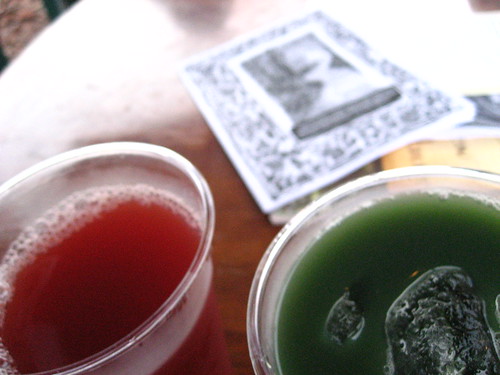

Yerba mate based drinks
Hibiscus maté on the left, guarana ginseng on the right - drinks at the Woodford Folk Festival in Queensland, Australia, 2006.
Maté

Cold maté did not have carcinogenic effects in experiments on animals or in epidemiological studies. Therefore, drinking maté at temperatures that are not very hot was not classifiable as to its carcinogenicity to humans. This was based on inadequate evidence in humans for the carcinogenicity of drinking cold or warm maté and inadequate evidence in experimental animals for the carcinogenicity of cold maté as a drinking liquid*.

Coffee

Drinking coffee was not classifiable as to its carcinogenicity to humans. The large body of evidence currently available led to the reevaluation of the carcinogenicity of coffee drinking, previously classified as possibly carcinogenic to humans by IARC in 1991. After thoroughly reviewing more than 1,000 studies in humans and animals, the working group found that there was inadequate evidence for the carcinogenicity of coffee drinking overall. Many epidemiological studies showed that coffee drinking had no carcinogenic effects for cancers of the pancreas, female breast, and prostate, and reduced risks were seen for cancers of the liver and uterine endometrium. For more than 20 other cancers, the evidence was inconclusive.

A scan of research online showed pretty much the same conclusions. In one 2009 study in Iran, researchers found that compared with drinking lukewarm or warm tea, drinking hot tea or very hot tea was associated with an increased risk of oesophageal cancer. For this study, temperatures of warm, hot and very hot tea were defined as being under 60°C, between 61 and 64°C, and 65°C and above respectively. Various confounders such as ethnicity, daily vegetable intake, alcohol consumption, tobacco or opium use, duration of residence in rural areas, and socioeconomic status were ruled out as likely causes. The total amount of tea consumed did not have an effect, either.

A 1995 study on maté in Paraguay linked very hot maté to oesophageal cancer. The authors of the research pointed out however that alcohol consumption, smoking, and eating of beef were also linked to the same cancer. The association between very hot maté and cancer was also found in a 2000 study, which also noted that the more maté is consumed, the higher the risk of oesophageal cancer. Women were found to have a higher risk of the cancer on all counts. The good news is that eating fruit, vegetables, cereals and drinking tea has a protective effect, but meat, animal fats and salt led to an increased cancer risk.

In 2011, a study in Southern China linked not only the drinking of very hot beverages to cancer, but also the eating of high-temperature foods - those which had been fried or barbecued. Eating fast was also correlated with cancer.

The IARC Monographs Programme seeks to classify cancer hazards, meaning the potential of any substance to cause cancer based on current knowledge. The classification does not indicate what level of risk exists to people’s health associated with exposure to a classified hazard. For example, IARC has classified tobacco smoking as carcinogenic to humans, but that classification does not indicate the increase in risk for each cigarette smoked. This working group evaluation is in line with the WHO Technical Report Series 916 on diet, nutrition and the prevention of chronic diseases, which states that people should not consume drinks when they are at a very hot (scalding hot) temperature.

A 2015 study postulates that the stem cell division model of cancer can explain why very hot foods and beverages cause cancer. Swallowing something too hot will damage cells in the oesophagus. Stem cell division is activated to repair the cells, and the more often stem cells divide over a period of time, the higher the risk of DNA damage, and in turn cancer. The author, Miguel López-Lázaro, further speculates that controlling stem cell divisions, such as through taking a daily low dose aspirin, could reduce cancer rates and reduce the likelihood of dying from cancer.

Interested?

Read the IARC Monographs Q&A on classifications (PDF)

Read the IARC Monographs Q&A on the evaluation of drinking coffee, maté, and very hot beverages (PDF)

*Maté, also called yerba maté, is an infusion made from dried leaves of ilex paraguariensis. It is consumed mainly in South America and to a lesser extent in the Middle East, Europe, and North America. It is also available as a health supplement in Singapore. Maté is traditionally drunk very hot (at about 70°C), but it may also be consumed warm or cold. 

**“Very hot” refers to any beverages consumed at a temperature above 65°C. See the Q&A for more details.

27 October 2015

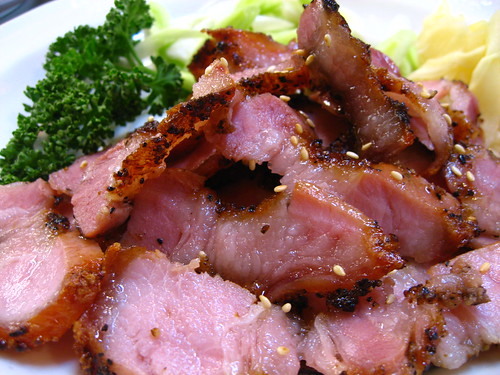
Watch your red meat and processed meat consumption

ms 277 The International Agency for Research on Cancer (IARC), the cancer agency of the World Health Organization, has evaluated the carcinogenicity of the consumption of red meat* and processed meat*, and the news is not good.

After thoroughly reviewing the accumulated scientific literature, a Working Group of 22 experts from 10 countries convened by the IARC Monographs Programme classified the consumption of red meat as probably carcinogenic to humans (Group 2A), based on limited evidence** that the consumption of red meat causes cancer in humans and strong mechanistic evidence supporting a carcinogenic effect. This association was observed mainly for colorectal cancer, but associations were also seen for pancreatic cancer and prostate cancer. 

The IARC notes in an online Q&A that eating red meat "has not yet been established as a cause of cancer". It also shared that if the reported associations were proven to be causal (that red meat also causes cancer), then the Global Burden of Disease Project has estimated that diets high in red meat could be responsible for 50,000 cancer deaths per year worldwide. 

Processed meat was classified as carcinogenic to humans (Group 1), based on sufficient evidence in humans that the consumption of processed meat causes colorectal cancer. 

The experts concluded that each 50g portion of processed meat eaten daily increases the risk of colorectal cancer by 18%. According to the most recent estimates by the Global Burden of Disease Project, an independent academic research organisation, about 34,000 cancer deaths per year worldwide are attributable to diets high in processed meat. Assuming the association of red meat and colorectal cancer is proven to be causal (that is, red meat really does cause colorectal cancer), data from the same studies suggest that the risk of colorectal cancer could increase by 17% for every 100 gram portion of red meat eaten daily.

Tobacco smoking and asbestos are also both in Group 1, but the IARC stresses that while all are classified as carcinogenic to humans, the grouping says nothing about the relative danger of each substance. The estimates for meat-related deaths, for example contrast with about IARC-provided figures of 1 million cancer deaths per year globally due to tobacco smoking, 600,000 per year due to alcohol consumption, and more than 200,000 per year due to air pollution.

“For an individual, the risk of developing colorectal cancer because of their consumption of processed meat remains small, but this risk increases with the amount of meat consumed,” says Dr Kurt Straif, Head of the IARC Monographs Programme. “In view of the large number of people who consume processed meat, the global impact on cancer incidence is of public health importance.” 

The IARC Working Group considered more than 800 studies that investigated associations of more than a dozen types of cancer with the consumption of red meat or processed meat in many countries and populations with diverse diets. The most influential evidence came from large prospective cohort studies conducted over the past 20 years. 

"These findings further support current public health recommendations to limit intake of meat,” says Dr Christopher Wild, Director of IARC. “At the same time, red meat has nutritional value. Therefore, these results are important in enabling governments and international regulatory agencies to conduct risk assessments, in order to balance the risks and benefits of eating red meat and processed meat and to provide the best possible dietary recommendations.” 

According to the IARC, cooking meat at high temperatures or with the food in direct contact with a flame or a hot surface, as in barbecuing or pan-frying, produces more of certain types of carcinogenic chemicals (such as polycyclic aromatic hydrocarbons and heterocyclic aromatic amines). However, the working group stopped short of making any statements about how much meat is safe, the safest ways to cook meat, or whether raw meat is better, though it did point out that there is a risk of infection from consumption of raw meat.

Interested?

A summary of the final evaluations is available online in The Lancet Oncology, and the detailed assessments will be published as Volume 114 of the IARC Monographs. 

*Red meat refers to all types of mammalian muscle meat, such as beef, veal, pork, lamb, mutton, horse, and goat. Processed meat refers to meat that has been transformed through salting, curing, fermentation, smoking, or other processes to enhance flavour or improve preservation. Most processed meats contain pork or beef, but processed meats may also contain other red meats, poultry, offal, or meat by-products such as blood. Examples of processed meat include hot dogs (frankfurters), ham, sausages, corned beef, and biltong or beef jerky as well as canned meat and meat-based preparations and sauces. 

**Limited evidence means that a positive association has been observed between exposure to the agent and cancer but that other explanations for the observations (technically termed chance, bias, or confounding) cannot be ruled out.

16 October 2015

Mobile phone use affects road safety

The World Health Organisation (WHO) has identified a "marked increase" around the world in the use of mobile phones by drivers that is becoming a growing concern for road safety.

The distraction caused by mobile phones can impair driving performance, the WHO said, listing slower reaction times (notably braking reaction time, but also reaction to traffic signals), impaired ability to keep in the correct lane, and shorter following distances as some of the dangers.

Text messaging, popular with younger drivers, also results in "considerably reduced driving performance", the WHO said.

Drivers using a mobile phone are approximately four times more likely to be involved in a crash than when a driver does not use a phone. Worse, hands-free phones are not much safer than handheld phone sets.

While there is little concrete evidence on how to reduce mobile phone use while driving, the WHO recommends that governments be proactive. Actions that can be taken include:

Adopting legislative measures,
Launching public awareness campaigns, and
Regularly collecting data on distracted driving to better understand the nature of this problem.

posted from Bloggeroid

28 February 2015

WHO suggests limiting the use of personal audio devices to under an hour a day

Source: WHO.
Some 1.1 billion teenagers and young adults are at risk of hearing loss due to the unsafe use of personal audio devices, including smartphones, and exposure to damaging levels of sound at noisy entertainment venues including sporting events, according to the World Health Organization (WHO). 

Data from studies in middle- and high-income countries analysed by WHO indicate that among teenagers and young adults aged 12-35 years, nearly 50% are exposed to unsafe levels of sound from the use of personal audio devices and around 40% are exposed to potentially damaging levels of sound at entertainment venues. Unsafe levels of sounds can be, for example, exposure to in excess of 85 decibles (dB) for eight hours or 100dB for 15 minutes.

“As they go about their daily lives doing what they enjoy, more and more young people are placing themselves at risk of hearing loss,” notes Dr Etienne Krug, WHO Director for the Department for Management of Noncommunicable Diseases, Disability, Violence and Injury Prevention. “They should be aware that once you lose your hearing, it won’t come back. Taking simple preventive actions will allow people to continue to enjoy themselves without putting their hearing at risk.”

Safe listening depends on the intensity or loudness of sound, and the duration and frequency of listening. Exposure to loud sounds can result in temporary hearing loss or tinnitus which is a ringing sensation in the ear. When the exposure is particularly loud, regular or prolonged, it can lead to permanent damage of the ear’s sensory cells, resulting in irreversible hearing loss.
WHO recommendations

WHO recommends that the highest permissible level of noise exposure in the workplace is 85 dB up to a maximum of eight hours per day. Visitors at sporting events are often exposed to even higher levels of sound, and should therefore considerably reduce the duration of exposure. For example, exposure to noise levels of 100 dB, which is typical in such venues, is safe for no more than 15 minutes.

Music lovers can better protect their hearing by keeping the volume down on personal audio devices, wearing earplugs when visiting noisy venues, and using carefully fitted, and, if possible, noise-cancelling earphones/headphones. They can also limit the time spent engaged in noisy activities by taking short listening breaks and restricting the daily use of personal audio devices to less than one hour. With the help of smartphone apps, they can monitor safe listening levels. In addition they should heed the warning signs of hearing loss and get regular hearing check-ups.

The WHO also called for governments to develop and enforce legislation on recreational noise, and raise awareness of the risks of hearing loss through public information campaigns. Manufacturers can design personal audio devices with safety features and display information about safe listening on products and packaging as well, the WHO said.

To mark International Ear Care Day, celebrated each year on March 3, the WHO is launching the Make Listening Safe initiative to draw attention to the dangers of unsafe listening and promote safer practices.

Worldwide, 360 million people today have moderate to profound hearing loss due to various causes, such as noise, genetic conditions, complications at birth, certain infectious diseases, chronic ear infections, the use of particular drugs, and ageing. It is estimated that half of all cases of hearing loss are avoidable. To address this issue, WHO collates data and information on hearing loss to demonstrate its prevalence, causes and impact as well as opportunities for prevention and management; assists countries to develop and implement programmes for hearing care that are integrated into the primary healthcare system; and provides technical resources for training health workers.

21 October 2014

GSK fast-tracks development of Ebola vaccine candidate

Update: On 22 October 2014, GSK announced its 3rd quarter results for fiscal 2014. At the accompanying analyst call, Sir Andrew Witty, CEO of GSK said: "Given the apparent health emergency we are leaving no stone unturned in this project and, if all goes well, I fully expect GSK to be the first company in a position to make a vaccine available to health agencies and governments, hopefully towards the end of 2014."

GSK has announced that it is working closely with the World Health Organization (WHO), regulators and other partners to respond to the Ebola outbreak, accelerating development of its investigational Ebola vaccine, and ramping up production as quickly as possible.

According to the company, development of the vaccine candidate is progressing "at an unprecedented rate", with first phase 1 safety trials with the vaccine candidate under way in the US, UK and Mali. Further trials are due to start in the coming weeks.

"We are actively exploring with relevant organisations and partners all opportunities to accelerate the development of manufacturing at an industrial scale so that if the trials are successful, we will be in a position to significantly ramp up production of the vaccine candidate to help combat this or future Ebola outbreaks," the company said in a statement on its website dated October 18. 

Initial data from the phase 1 trials are expected by the end of the year and if successful, the next phases of the clinical trial programme will begin in early 2015. This will involve the vaccination of frontline healthcare workers in Sierra Leone, Guinea and Liberia. "If the vaccine candidate is able to protect these healthcare workers as we hope it will, it could significantly contribute to efforts to bring this epidemic under control," the company added.

GSK is also working with the WHO, regulators and other stakeholders on logistics, to determine how and when near-term supplies of the Ebola vaccine could be made available for targeted vaccination of additional healthcare workers and other people at high risk of infection in the affected countries where the impact would be most likely to limit the further spread of the epidemic. Safety and the supply chain will come into play for mass vaccination campaigns. GSK said it will depend on whether the vaccine candidate provides protection against Ebola without causing significant side effects and how quickly large enough quantities can be made.

GSK acquired this Ebola vaccine candidate through the acquisition of a biotechnology company, Okairos, in May 2013 and has since been working with the US National Institutes of Health to develop this vaccine candidate in response to the threat of Ebola.

The WHO and partner organizations said tools are being developed to help any country to intensify and accelerate their readiness.

One of these tools is a comprehensive checklist of core principles, standards, capacities and practices, which all countries should have or meet. The checklist can be used by countries to assess their level of preparedness, guide their efforts to strengthen themselves and to request assistance. Items on the checklist include infection prevention control, contact tracing, case management, surveillance, laboratory capacity, safe burial, public awareness and community engagement and national legislation and regulation to support country readiness.

“While we rightly focus on stopping the outbreak in affected countries, we should not forget that all other countries are at risk, albeit at varying levels,” said WHO Regional Director for Africa, Dr Luis Sambo.

Also under development is a framework to measure the key milestones and mutual accountability for assessment by international partners and countries. The tools are being reviewed by experts and will be made public available shortly, stated the WHO on October 10.


Read the blog post on what we know about Ebola so far here

11 October 2014

What we now know about ebola

Source: WHO.
Update: As of October 20, two nurses who had cared for the index patient have caught ebola. There are allegations that the hospital was not properly prepared for the case, and they did not have proper equipment while they looked after him.

Update: The news broke on October 11 and 12 that a nurse who had cared for the first (index) case of ebola in the US had caught ebola herself. It is worrying because she had worn the full hazmat gear in caring for the patient, and that she cannot remember committing any breach of security, unlike a nurse in Spain who said she had accidentally touched her face with a gloved hand. The US Centers for Disease Control and Prevention is firm that some breach of 'protocol' did occur; the question is where, or whether ebola is not well-understood enough.

The World Health Organization shared a list of ways in which the ebola virus may be transmitted on 6 October. While it's known that the virus is transmitted among humans through close and direct physical contact with infected bodily fluids, the most infectious are blood, faeces and vomit, the WHO said.

The virus has also been detected in breast milk, urine and semen. In a convalescent (recovering) male, the virus can persist in semen for at least 70 days; one study suggests persistence for more than 90 days. This implies that the virus can remain in semen for a longer period, but it remains unclear whether the virus can be transmitted through this method.

WHO also says that saliva and tears may also carry some risk of infection. However, the studies implicating these additional bodily fluids were extremely limited in sample size and the science is inconclusive. In studies of saliva, the virus was found most frequently in patients at a severe stage of illness. 


The whole live virus has never been isolated from sweat. This implies that sweat from a victim cannot transmit the virus.

The ebola virus can also be transmitted indirectly, by contact with previously contaminated surfaces and objects. The risk of transmission from these surfaces is low and can be reduced even further by appropriate cleaning and disinfection procedures.


Ebola virus disease is not an airborne infection. Airborne spread among humans implies that you can catch the virus from inhaling a suspended cloud of small dried droplets. This mode of transmission has not been observed during extensive studies of the ebola virus over several decades.

Theoretically, bigger droplets from a heavily infected individual, who has respiratory symptoms caused by other conditions or who vomits violently, could transmit the virus – over a short distance – to another nearby person. This could happen when virus-laden droplets are directly propelled, by coughing or sneezing (which does not mean airborne transmission) onto the mucus membranes or skin with cuts or abrasions of another person.

However, observation to date is that the spread of the virus via coughing or sneezing is rare, if it happens at all. Epidemiological data emerging from the outbreak are simply not consistent with the pattern of spread seen with airborne viruses, like those that cause measles and chickenpox, or the airborne bacterium that causes tuberculosis.

WHO is not aware of any studies that actually document this mode of transmission. On the contrary, good quality studies from previous ebola outbreaks show that all cases were infected by direct close contact with symptomatic patients.


There are also fears that the disease could change its mode of transmission. The WHO says scientists are unaware of any virus that has dramatically changed its mode of transmission. Speculation that ebola virus disease might mutate into a form that could easily spread among humans through the air is just that: speculation, unsubstantiated by any evidence.

For example, the H5N1 avian influenza virus, which has caused sporadic human cases since 1997, is now endemic in chickens and ducks in large parts of Asia. That virus has probably circulated through many billions of birds for at least two decades. Its mode of transmission remains basically unchanged.

The WHO is calling for more to be done to implement – on a much larger scale – well-known protective and preventive measures. Abundant evidence has documented their effectiveness, it says.

16 August 2014

WHO says Ebola unlikely to spread through air travel

The World Health Organization has stated that air travel to and from affected countries is not a high-risk activity for the spread of Ebola. Dr Isabelle Nuttall, speaking on behalf of WHO, said, “Air travel, even from Ebola-affected countries, is low-risk for Ebola transmission.”

Dr Nuttall emphasised that the disease is not spread by airborne particles, like influenza or tuberculosis. The infection is transmitted to others through direct contact with the bodily fluids of a sick person, such as blood, vomit, sweat, and diarrhoea. Even if an individual infected with Ebola virus disease (EVD) travels by plane, the likelihood of other passengers and crew coming into contact with the individual’s bodily fluids is very low.

The WHO does not recommend any travel or trade restrictions be applied except in cases where individuals have been confirmed or are suspected of being infected with EVD or where individuals have had contact with cases of EVD. The organisation stresses that contacts do not include properly-protected healthcare workers and laboratory staff.

As of August 13, 
the latest dates available as of August 15, there have been a total of 2,127 cases reported, including confirmed, probable and suspected cases, and 1,145 deaths, from the four West African countries dealing with the EVD outbreak. Between 12 and 13 August 2014, a total of 152 new cases of Ebola virus disease (laboratory-confirmed, probable, and suspect cases) as well as 76 deaths were reported from Guinea, Liberia, Nigeria and Sierra Leone.

According to Flightstats, airlines in the Niddle East that fly to the four countries include Royal Air Maroc, which flies to all four countries, and Etihad, which flies to Conakry, Guinea and Lagos, Nigeria. Emirates and Qatar Airways fly to Lagos, Nigeria. Emirates had flights to Conakry but these are now suspended until further notice because of Ebola.

The WHO downplayed the possibility of a global pandemic here.

12 August 2014

WHO downplays possibility of global ebola epidemic

The World Health Organization (WHO) provided an overview of the spread of Ebola virus disease (EVD) in West Africa on 11 August and stressed that in countries with well-developed health systems, an epidemic is highly unlikely "given the epidemiology of the Ebola virus and experiences in past outbreaks".

The organisation noted that fear has led to a very high level of vigilance and clinical suspicion worldwide, stating that "such a high level of alert further increases the likelihood that any imported case will be quickly detected and properly managed, limiting onward transmission."

On the downside, the WHO observes that the same fear is compromising outbreak control when it causes airlines to refuse to transport personal protective equipment and courier services to refuse to transport properly and securely packaged patient samples to a WHO-approved laboratory.

Facts about Ebola

  • The Ebola virus is highly contagious, but is not airborne. 
  • Transmission requires close contact with the bodily fluids of an infected person, as can occur during health-care procedures, home care, or traditional burial practices. 
  • The incubation period ranges from two to 21 days, but patients become contagious only after the onset of symptoms. As symptoms worsen, the ability to transmit the virus increases. As a result, patients are usually most likely to infect others at a severe stage of the disease, when they are visibly, and physically, too ill to travel. 
  • There is no cure. 
  • Early detection and supportive care greatly improve prospects for survival. 

Read about the WHO announcement of the gravity of the EVD situation here, and how India and Singapore have prepared for the disease.

10 August 2014

Singapore is on standby to act on Ebola

Singapore's Ministry of Health (MOH) has gone beyond WHO recommendations for Ebola virus disease (EVD), which it says it has already put in place as part of its preparedness plan against EVD. It is also ready to calibrate its measures as the situation evolves.

As recommended, the ministry is raising the awareness and knowledge of travellers about the potential risk of EVD. "Information on EVD has been provided to the public and potential travellers on MOH’s website, and in its media release issued on 7 August. Singaporeans have been advised to avoid non-essential travel to affected areas. Instructions have also been provided on precautions to take if there is a need to travel to affected areas," the ministry stated in a release on 8 August.

At the same time, all medical practitioners and hospitals have been alerted, through professional circulars, to the EVD situation in West Africa. "They are advised to remain vigilant to pick up cases of EVD early amongst patients with compatible symptoms and a travel history to affected areas. MOH has also provided guidance on the criteria for defining suspect EVD cases, and on how to notify MOH of such cases," the ministry said.

Singapore is no stranger to preparedness procedures for infectious diseases since dealing with SARS in 2003. According to the Ministry of Health, all public hospitals have put in place infection control procedures in the event of an imported EVD case. Processes have also been put in place include:


  • Sending samples for EVD testing at the National Public Health Laboratory’s designated testing facilities. 
  • Centralising the management of suspect cases of EVD in Tan Tock Seng Hospital (TTSH). Suspect cases who are seriously ill will be transported in specially configured ambulances, and all suspect cases will be managed in negative pressure isolation rooms with strict infection control procedures.

Contingency plans are also in place at Singapore's Changi Airport to manage passengers with signs of EVD. In 2013, Changi saw 53.7 million passengers arriving and departing. Such passengers will be isolated and transferred using a portable medical isolation unit (PMIU) to TTSH for further management.

Precautionary measures in Singapore's preparedness against EVD over and above the WHO recommendations include border health measures as well as contact tracing and quarantine. MOH has worked with the Civil Aviation Authority of Singapore (CAAS), the Immigration & Checkpoints Authority (ICA) and the Changi Airport Group (CAG) on border health measures. Individual health advisory notices (HANs) have been distributed to nationals from the affected areas at air and land checkpoints since 2pm on 7 August 2014.

The HAN advises travellers to consult a doctor early, and inform the doctor of their travel history if they become unwell, with sudden onset of high fever, stomach pains, diarrhoea, vomiting, rash or bleeding, within three weeks of being in any of the affected areas in West Africa. Similar advice is provided in Health Advisory posters at land and air checkpoints, which have been progressively put up from 8 August.

The MOH says it has been ready to conduct contact tracing in the event of a confirmed case of EVD since the beginning of the outbreak in West Africa. All close contacts will be quarantined and monitored for up to 21 days, either in their homes or in the Government Quarantine Facility (GQF) in Pasir Ris.

Read about the WHO announcement here.
India's preparedness measures are here.

9 August 2014

World Health Organization calls Ebola outbreak a public health emergency of international concern

The World Health Organization (WHO) has warned 8 August that the Ebola outbreak in West Africa is a Public Health Emergency of International Concern (PHEIC).

As of 4 August 2014, there have been 1,711 cases (1,070 confirmed, 436 probable, 205 suspect) of Ebola virus disease (EVD), including 932 deaths. Between 5 and 6 August 2014, a total of 68 new cases of EVD (laboratory-confirmed, probable, and suspect cases) as well as 29 deaths were reported from Guinea, Liberia, Nigeria, and Sierra Leone.

On 6 August, a Saudi man suspected of being infected with the Ebola virus passed away at 8.45am at a specialised hospital in Jeddah, Saudi Arabia. The patient had been admitted to the intensive care unit late on 4 August after exhibiting symptoms of viral hemorrhagic fever following a business trip to Sierra Leone, Saudi's Ministry of Health said. The cause of the infection is still under investigation, and people who had been in contact with the man are being traced or monitored for symptoms of Ebola.

The WHO further provides the following recommendations for states which are currently not affected by EVD nor adjacent to a state which is affected:

  • There should be no general ban on international travel or trade; restrictions outlined in recommendations regarding the travel of EVD cases and contacts should be implemented.
  • States should provide travelers to Ebola affected and at-risk areas with relevant information on risks, measures to minimise those risks, and advice for managing a potential exposure. 
  • States should be prepared to detect, investigate, and manage Ebola cases; this should include assured access to a qualified diagnostic laboratory for EVD and, where appropriate, the capacity to manage travelers originating from known Ebola-infected areas who arrive at international airports or major land crossing points with unexplained febrile illness (fever). 
  • The general public should be provided with accurate and relevant information on the Ebola outbreak and measures to reduce the risk of exposure. 
  • States should be prepared to facilitate the evacuation and repatriation of nationals (e.g. health workers) who have been exposed to Ebola. 
On 11 August, WHO will convene a panel of medical ethics experts to begin looking at the use of experimental treatments in the ongoing EVD outbreak in West Africa. At this time, there are no registered medicines or vaccines against this deadly virus, though several experimental options are currently under development.

Emirates has already suspended flights to Conakry in Guinea until further notice due to the Ebola outbreak, the company said on its website. "We apologise for any inconvenience caused to our customers, however the safety of our passengers and crew is of the highest priority and will not be compromised," the company stated, asking affected customers to contact their travel agent or Emirates Call Centres for rebooking options, and visit the website for further updates.

Airlines flying to Sierra Leone include British Airways and Air France. British Airways has cancelled flights to Sierra Leone and Liberia till August 31. Air France also flies to Guinea, while Lufthansa flies to Nigeria.

Gulf Business has also reported that hajj visas are not being issued to pilgrims of the affected countries.

View the latest FAQ on EVD here.

Read about Singapore's preparedness activities here. Read about what India is doing about tracking nationals exposed to Ebola here.